
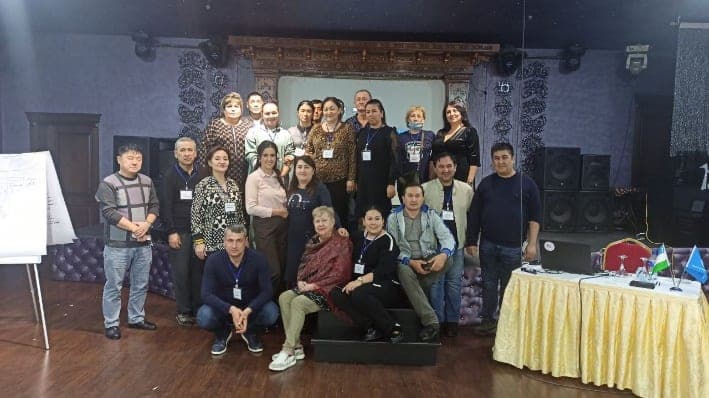
Training the teams
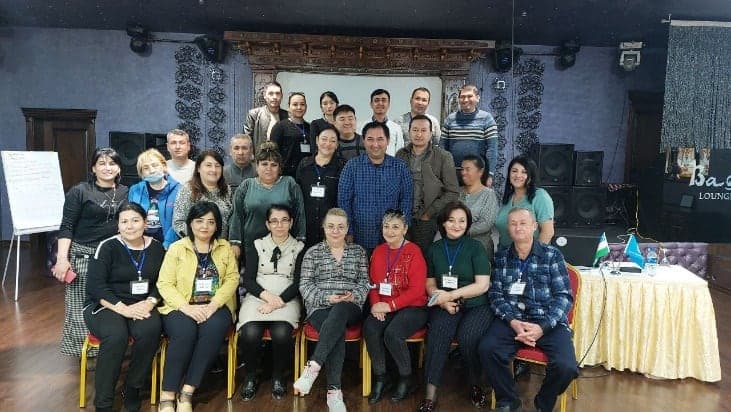
Zoom conferences for team specialists twice a month, webinars and seminars; every specialist is certified in HIV care.
The Republican Public Association “IMKONIYAT” is one of Uzbekistan’s first non-governmental, non-profit organisations. Since 1993 we have helped people living with HIV, tuberculosis, hepatitis, cancer and other illnesses, and defended their rights.
Since our founding we have spread knowledge about HIV/AIDS, tuberculosis, hepatitis, cancer, pre-cancerous and chronic illness and palliative care, published brochures and books, and provided medical and socio-psychological services. The association was formerly called the Anti-Cancer Society of Uzbekistan; in 2025 a new edition of its Charter was approved and it was re-registered with the Ministry of Justice.
The association’s founders developed and put into production Uzbekistan’s first import-substituting HIV antibody test system, Peptoscreen-2. From 1991 to 2010 it was used by every AIDS centre and laboratory in the country.
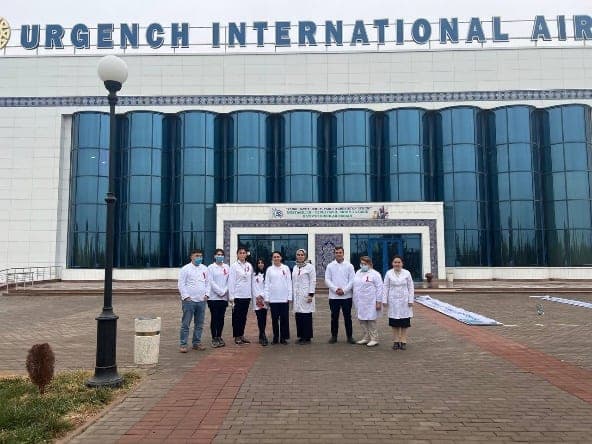
In 2011 we introduced palliative care for people living with HIV for the first time in Uzbekistan and created the multidisciplinary team model. Today our team numbers 145 staff at the head office and in the regions, and many of our specialists work on the peer-to-peer principle.
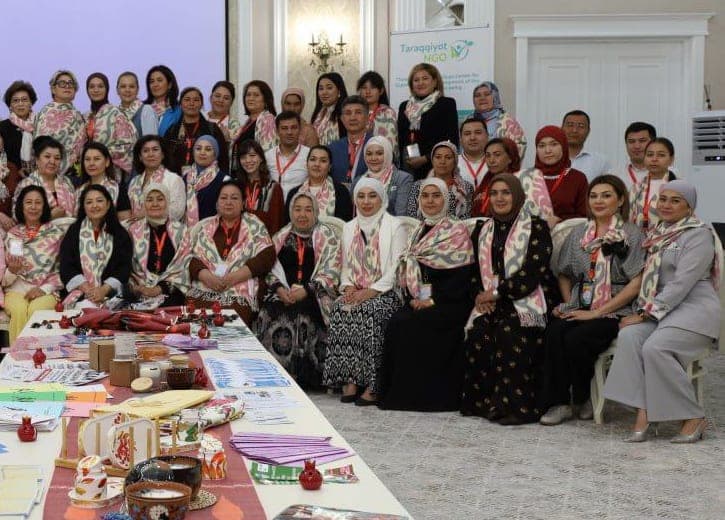
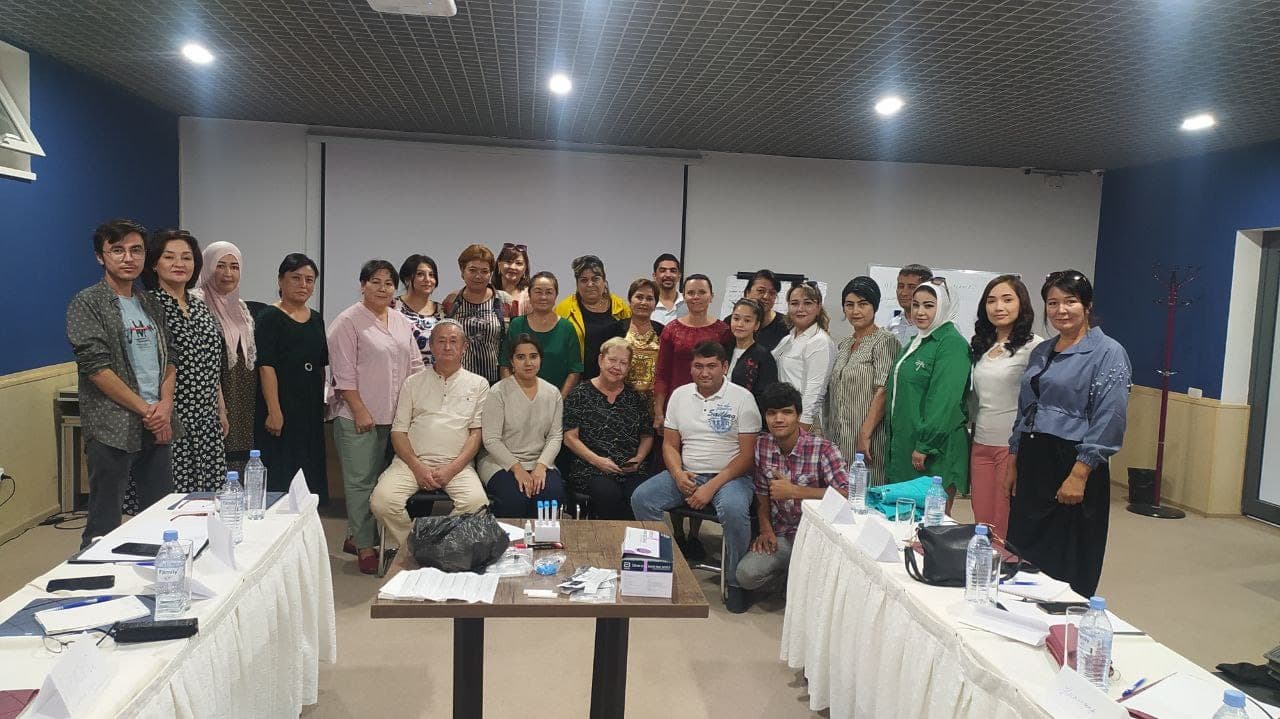
We strive for an inclusive society free from stigma and discrimination, where everyone has access to treatment, care and the opportunity to live with dignity.
1991–2010
Developed by the association’s founders; used in every AIDS centre and laboratory in the country.
30 September 1993
Ministry of Justice of the Republic of Uzbekistan, certificate No. 138r.
2003
Our staff trained at the Hospice and Palliative Care Centre in Romania.
2004 and 2009
Counterpart International (USAID) and the Open Society Institute in 2004; Help the Hospices (UK) in 2009.
October 2010
We organised and held World Hospice and Palliative Care Day in Tashkent for the first time.
2011
Six teams at Tashkent polyclinics and the country’s first methodological recommendations on palliative care for people living with HIV.
2012–2016
The network grew to 16 teams in 14 regions; 11,850 people received help in 2016.
2018
With ECUO we advocated for service standards and rapid testing; the “HIV and TB” project with the Stop TB Partnership.
2019
Created to support women and girls living with HIV.
2022
14 mobile teams began visiting people who could not come to an AIDS centre themselves; a mental health centre for children and adolescents opened; we held our first quiz.
2023
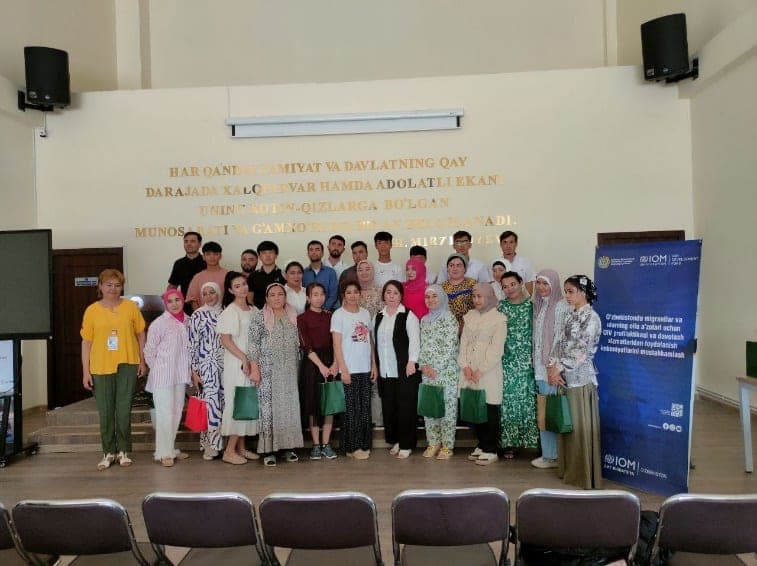
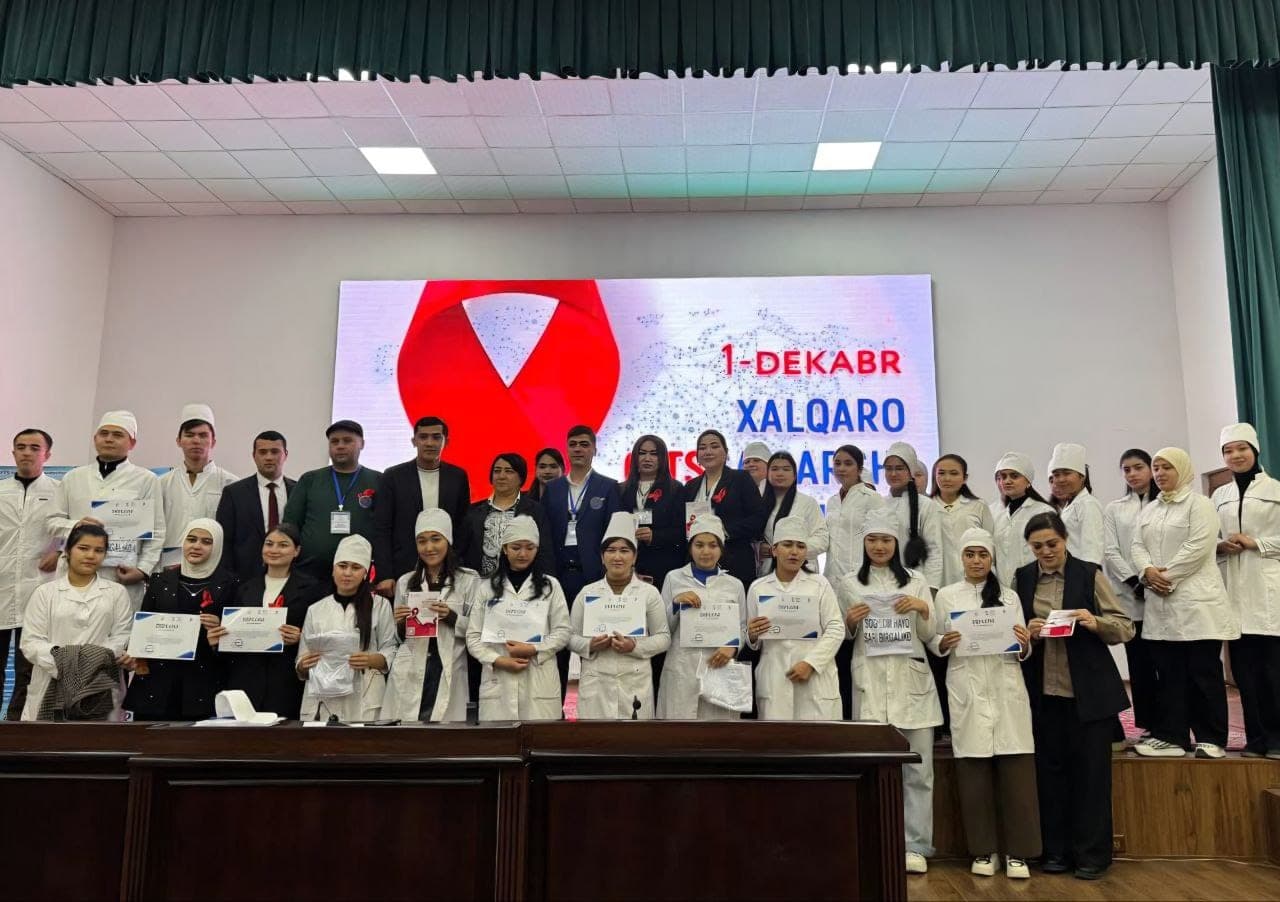
Founded in September; a memorandum signed with the Oltin Qanot movement; our Tashkent regional branch registered on 25 October; a migrants project with IOM began; a Rapid HIV Testing Week.
2024
Following an institutional assessment, a strategy for organisational capacity and sustainability was adopted; the migrants project was completed.
2025
The teams focused on bringing people back to treatment; the Tabassum and SOMEC projects began; the women’s network was formed; meetings with the WHO mission and UNODC, and a cooperation memorandum.
2026
We set out our position on sustainable MDK funding and began quizzes in 15 districts of Tashkent region.
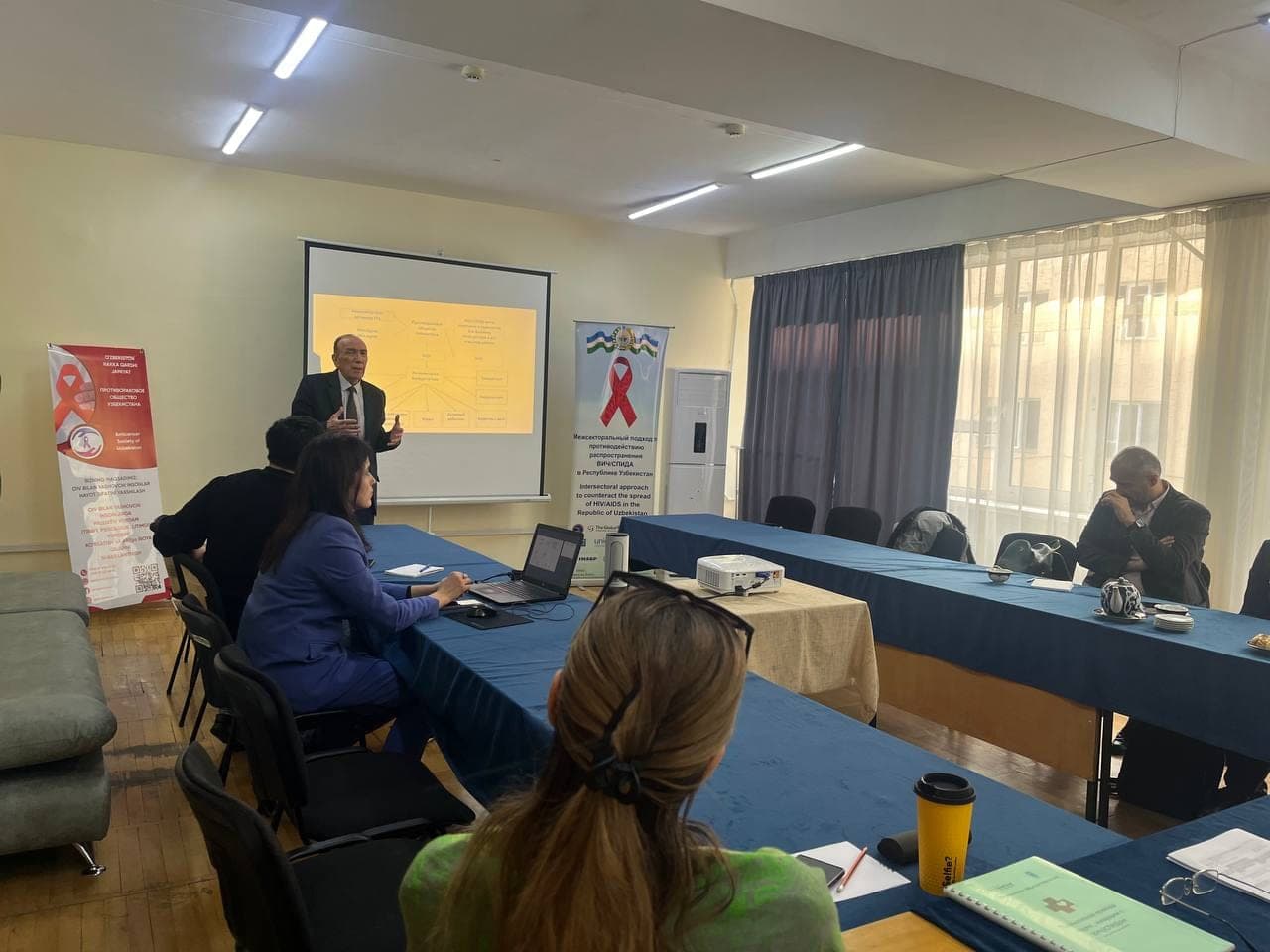
The quality of care depends on the people who give it, so learning never stops here.
Zoom conferences for team specialists twice a month, webinars and seminars; every specialist is certified in HIV care.
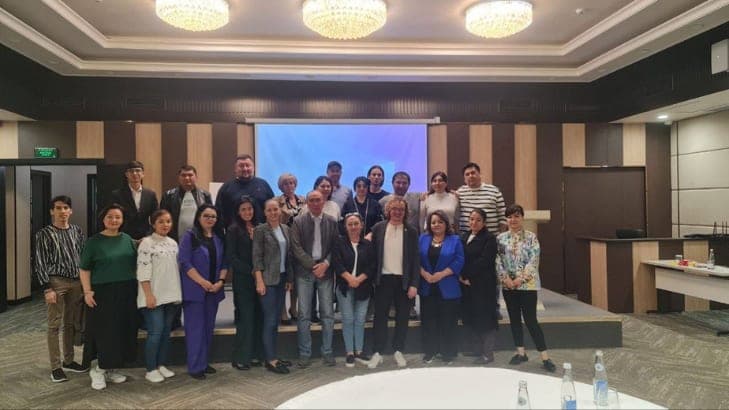
The Yuksalish movement’s NGO School (2022) and training in document management, project documentation and planning (2024).
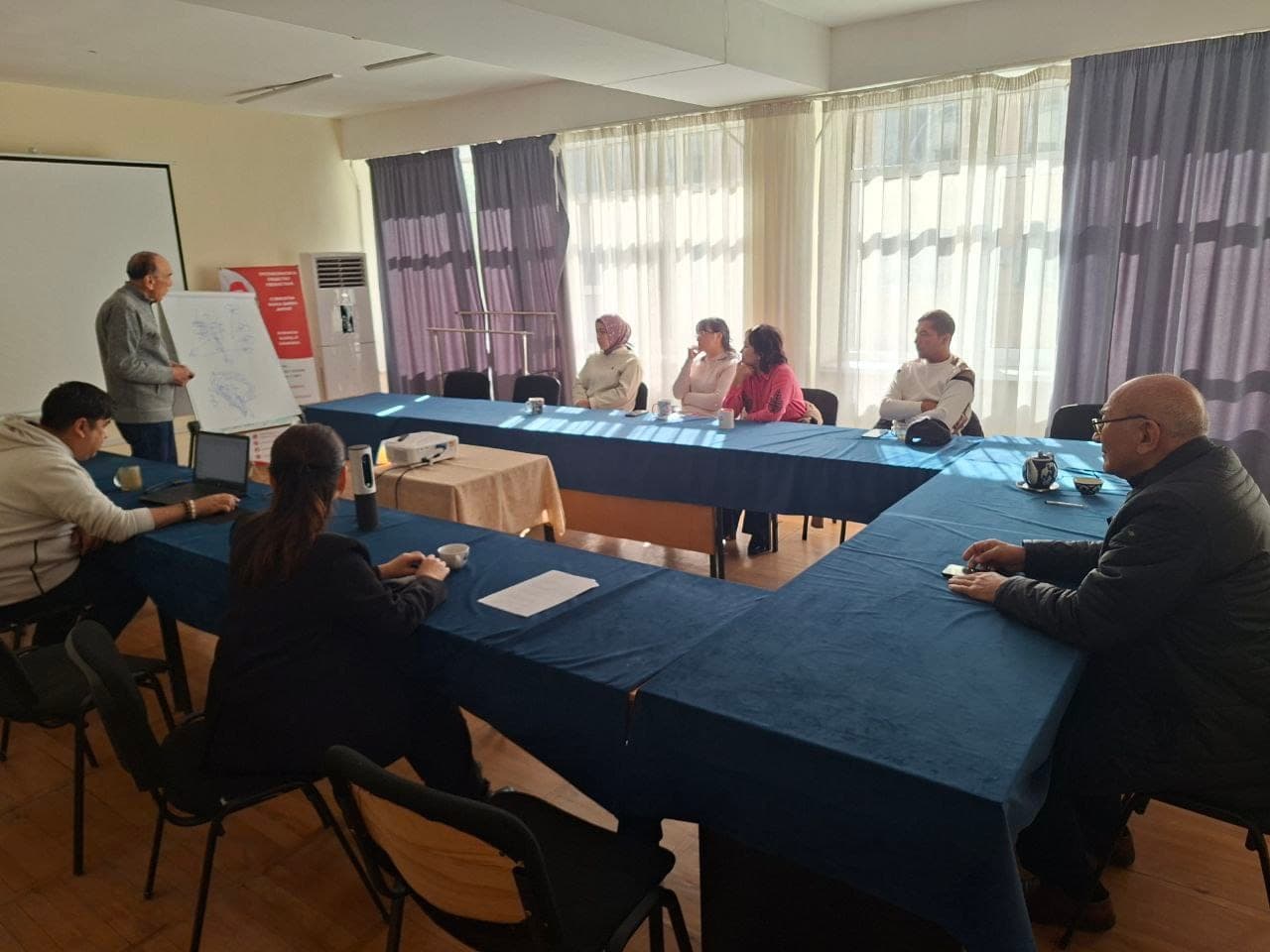
Induction seminars at the head office and psychologists’ group sessions on preventing burnout (2025).
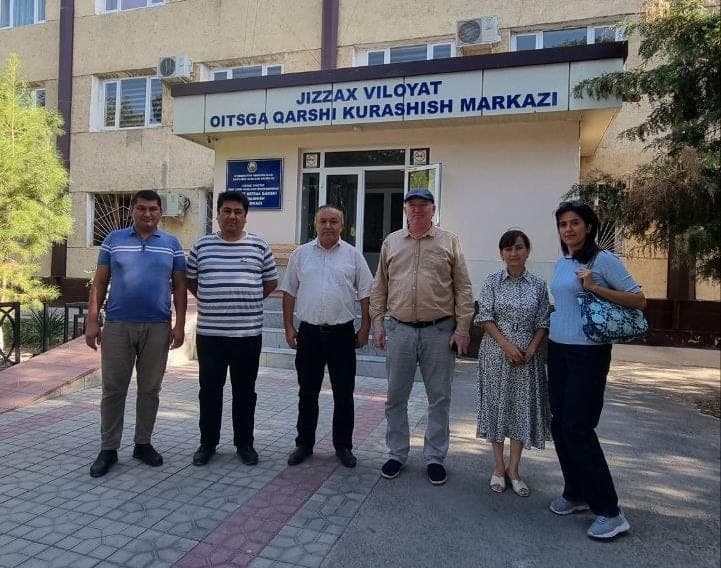
Monitoring visits to the regions, monthly team reports and the MIS database; the 2025–2028 strategy puts data quality among its priorities.
Under its Charter, the association’s main purpose is to help people with HIV/AIDS, tuberculosis, hepatitis, cancer and acute and chronic infectious diseases, to support their social rehabilitation and adaptation to society, and to protect the rights and interests of its members.
Among other things, the association:
The association is guided by the principles of humanity, openness and constant regard for public opinion.
The Chair of the association is U. V. Madjidov, founder of IMKONIYAT. The Head of the association is Kh. U. Makhmudova.
Specialists at the head office and in the multidisciplinary teams across every region.