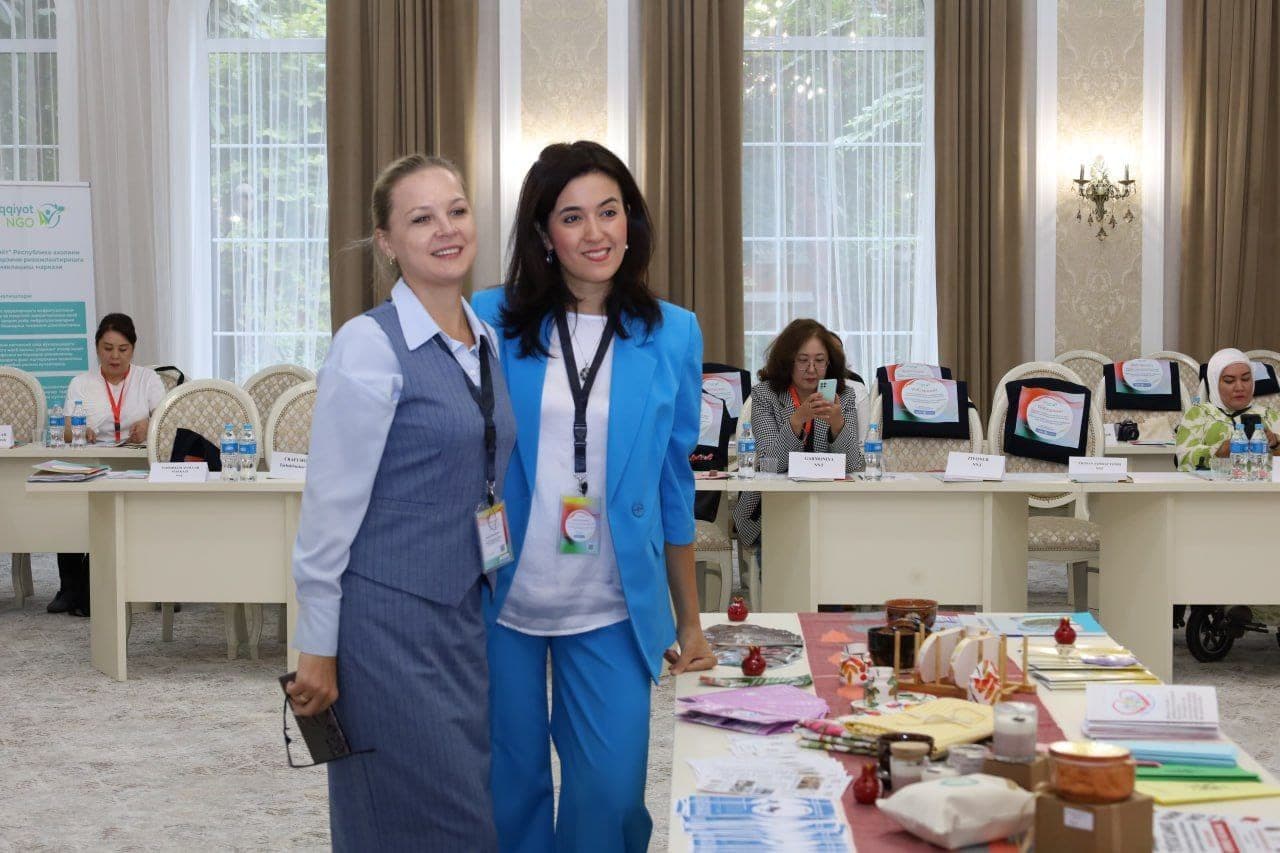
Women’s Department
Supports women and girls and protects their rights, works against gender stigma and discrimination, and gives psychological and social help.
Republican public association · since 1993
We help people living with HIV, tuberculosis, hepatitis, cancer and other illnesses, and their families. Together with the AIDS centres in every region of Uzbekistan, we develop palliative and medico-psychosocial care and work to ensure that stigma has no place in society.
We strive for an inclusive society free from stigma and discrimination, where everyone has access to treatment, care and the opportunity to live with dignity.
Since 2011 we have been developing the multidisciplinary team model: infectious-disease physicians, psychologists, coordinators and peer consultants together support people living with HIV at every stage of treatment.
In 2011 we introduced palliative care for people living with HIV for the first time in Uzbekistan — to improve the quality of life of patients and their families.
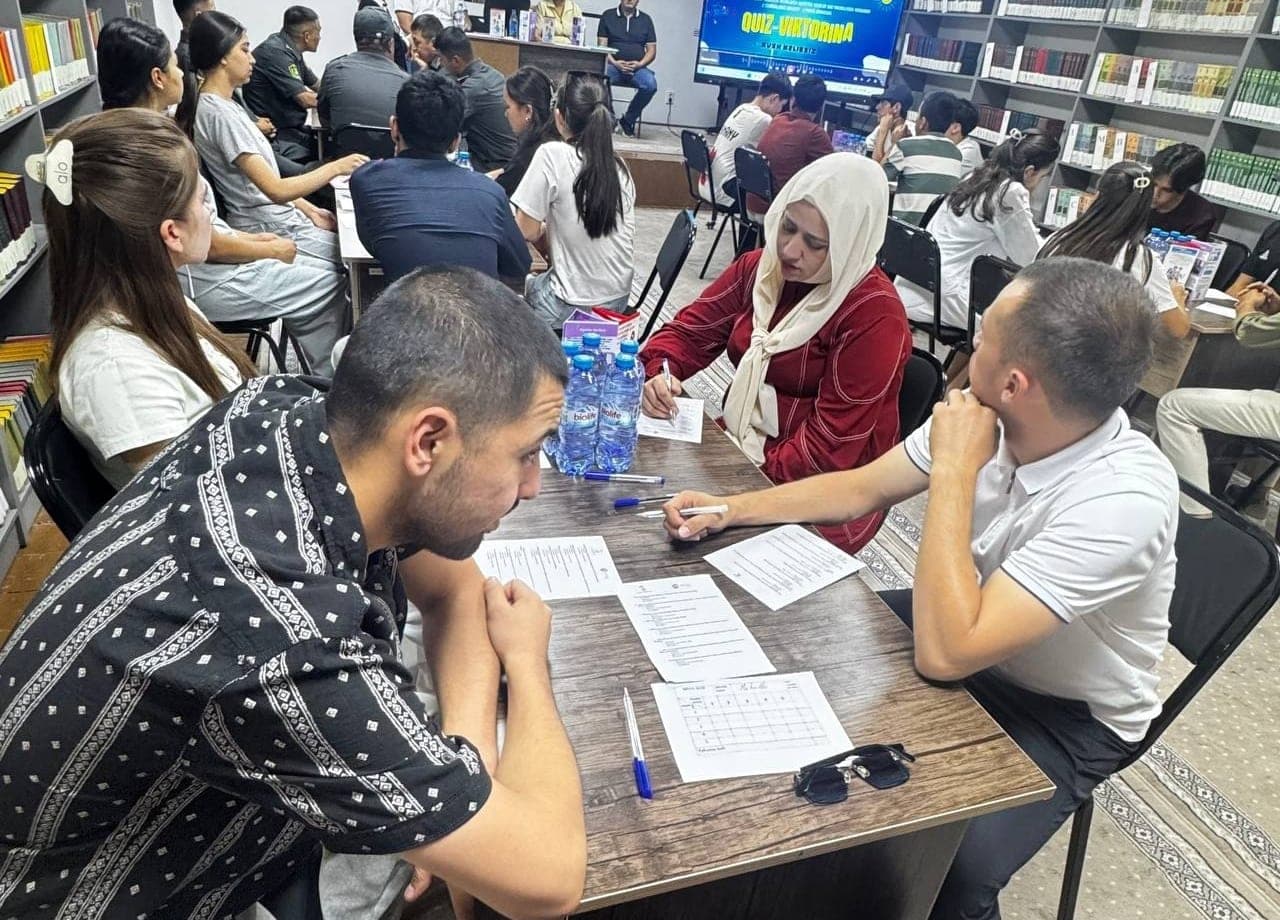
We help young people learn the facts about HIV, dispel myths and build tolerance towards people living with HIV — through interactive quizzes.
In 2019 we created a women’s division that develops and implements initiatives supporting women and girls living with HIV who face stigma, discrimination and violence.
We bring people living with HIV together in a community of mutual support: weekly self-help groups meet at our head office and in every region of the country.
From our earliest years we have spread knowledge about HIV/AIDS, tuberculosis, hepatitis, cancer and chronic illness, published brochures and books, and worked to reduce stigma and discrimination.
Each department works under its own approved regulation.
Supports women and girls and protects their rights, works against gender stigma and discrimination, and gives psychological and social help.
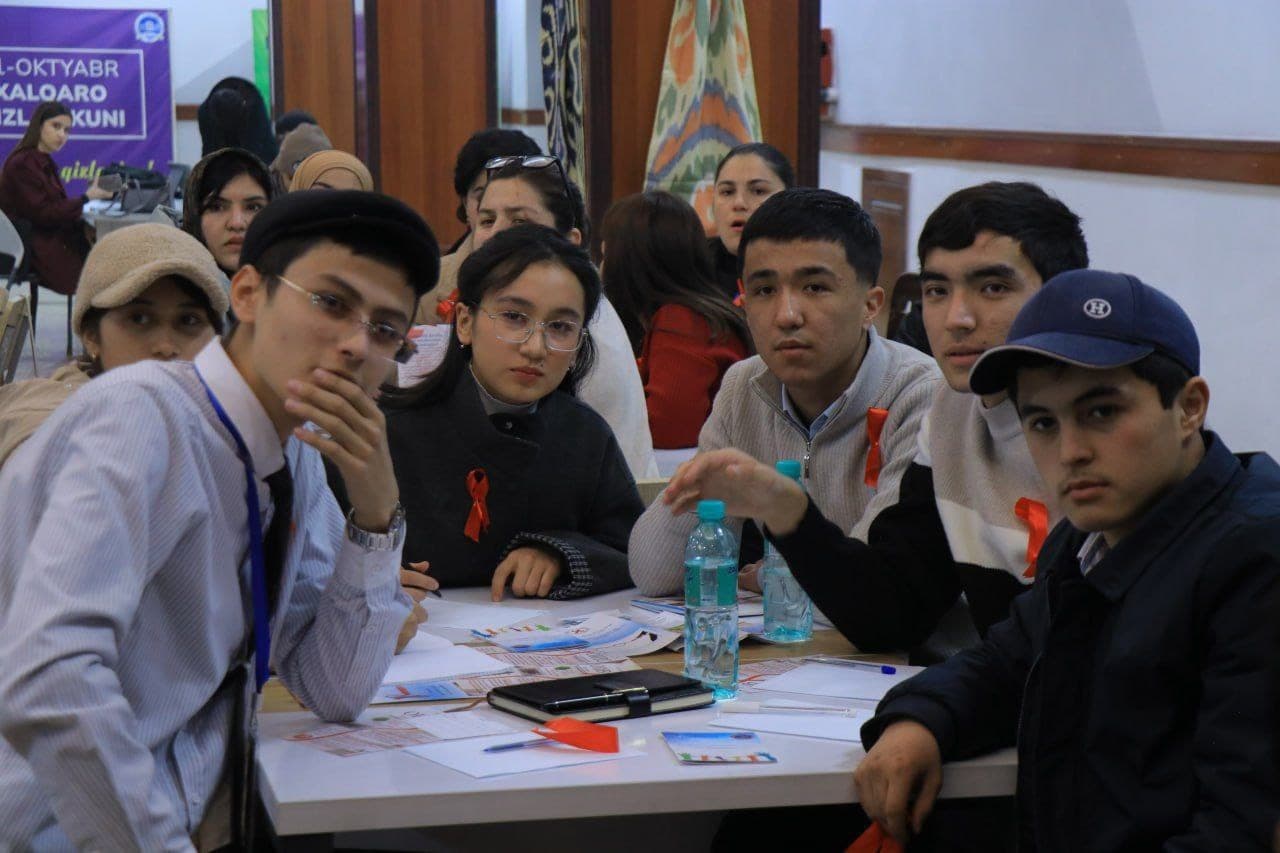
Work with young people, including young people living with HIV: offline and online quizzes against myths and stigma.
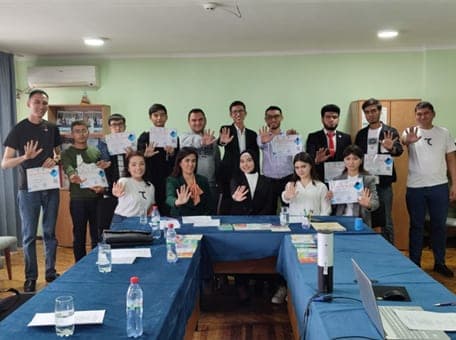
Since September 2023 it has involved people in socially important initiatives, together with the Oltin Qanot movement.
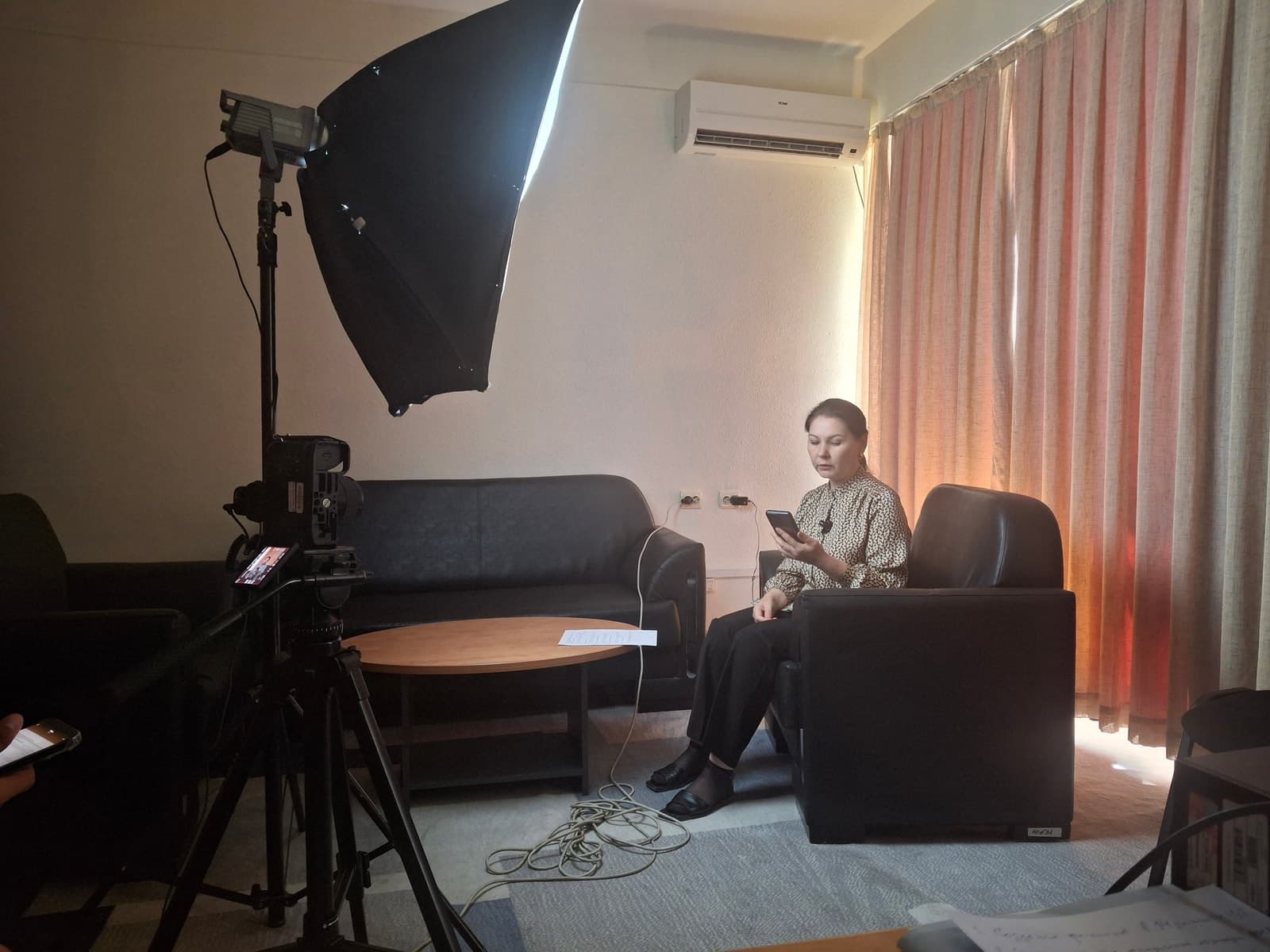
Media projects and videos based on personal stories, to talk about difficult subjects gently and clearly.
On 8–9 October at Porto Bello Hotel, higher education representatives from Tashkent and four regions explored HIV, human rights, empathy and inclusive education.
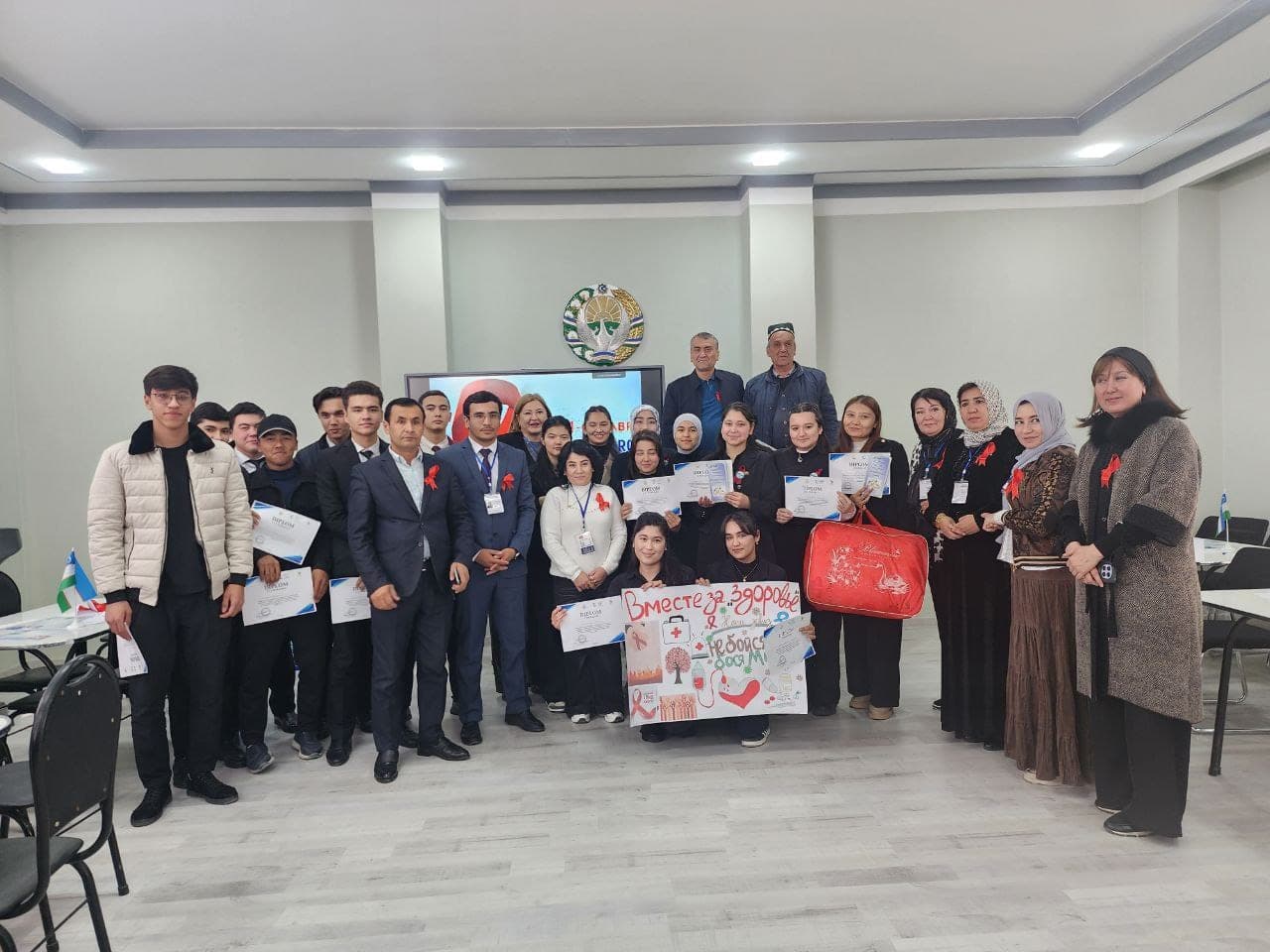
On 25 September, student leaders from 6 universities joined a WeEmpower Uzbekistan Kahoot quiz organised by IMKONIYAT and the Zoomerlar initiative group.
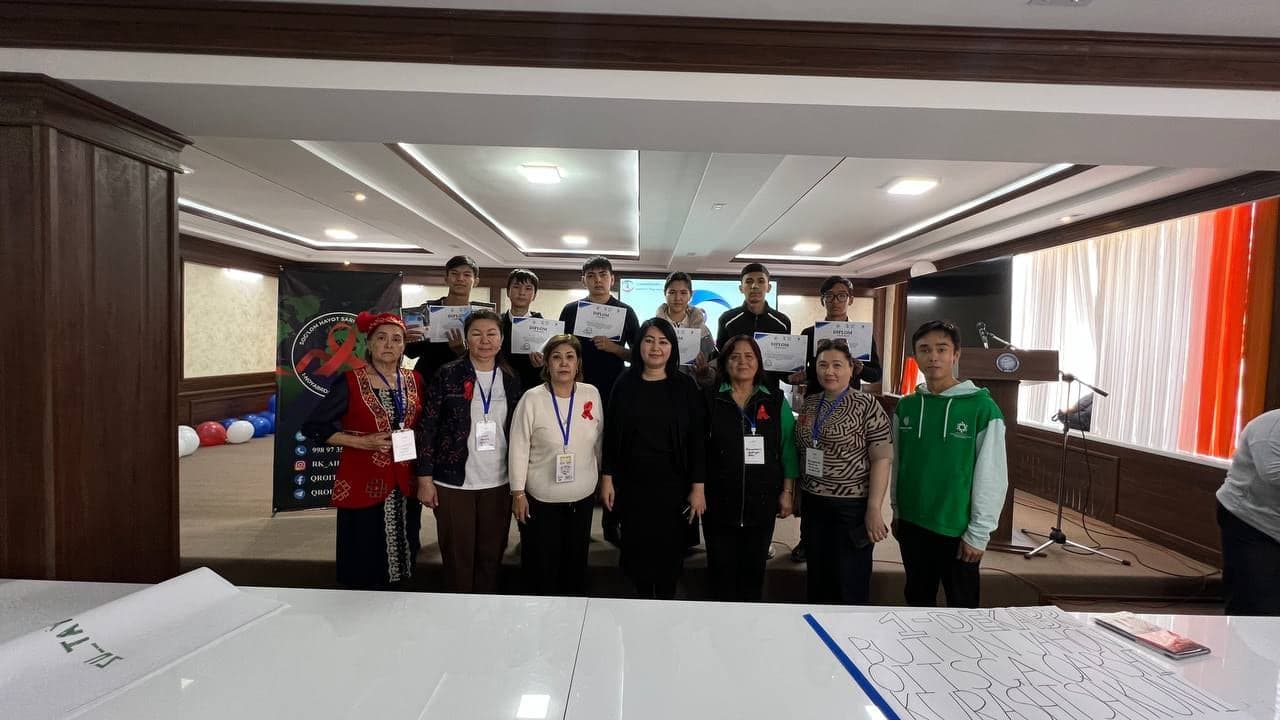
The Tashkent Region branch of the Republican Public Association IMKONIYAT held a final round table under an AFEW International sub-project at the Porto Bello Hotel in Tashkent.
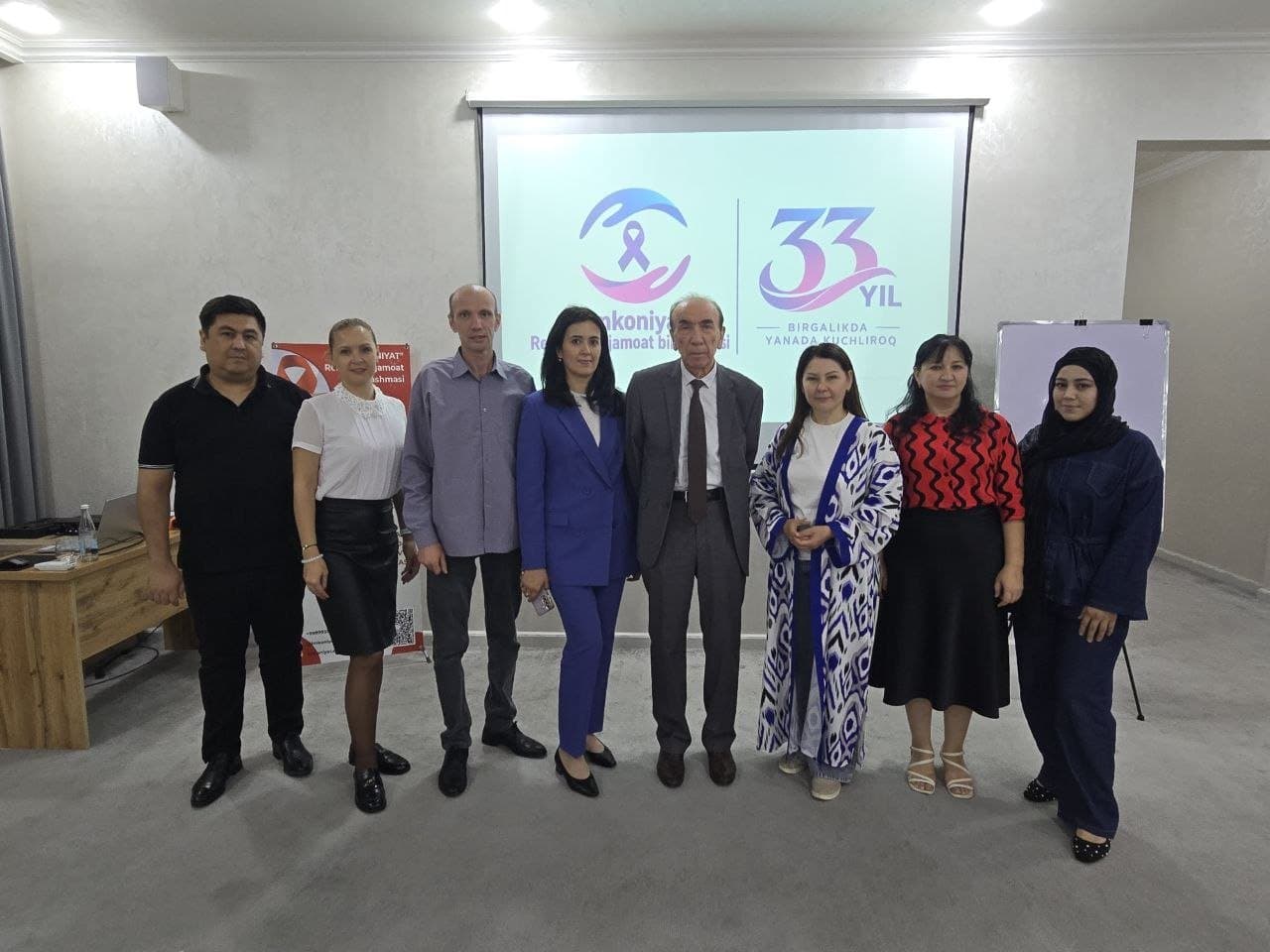
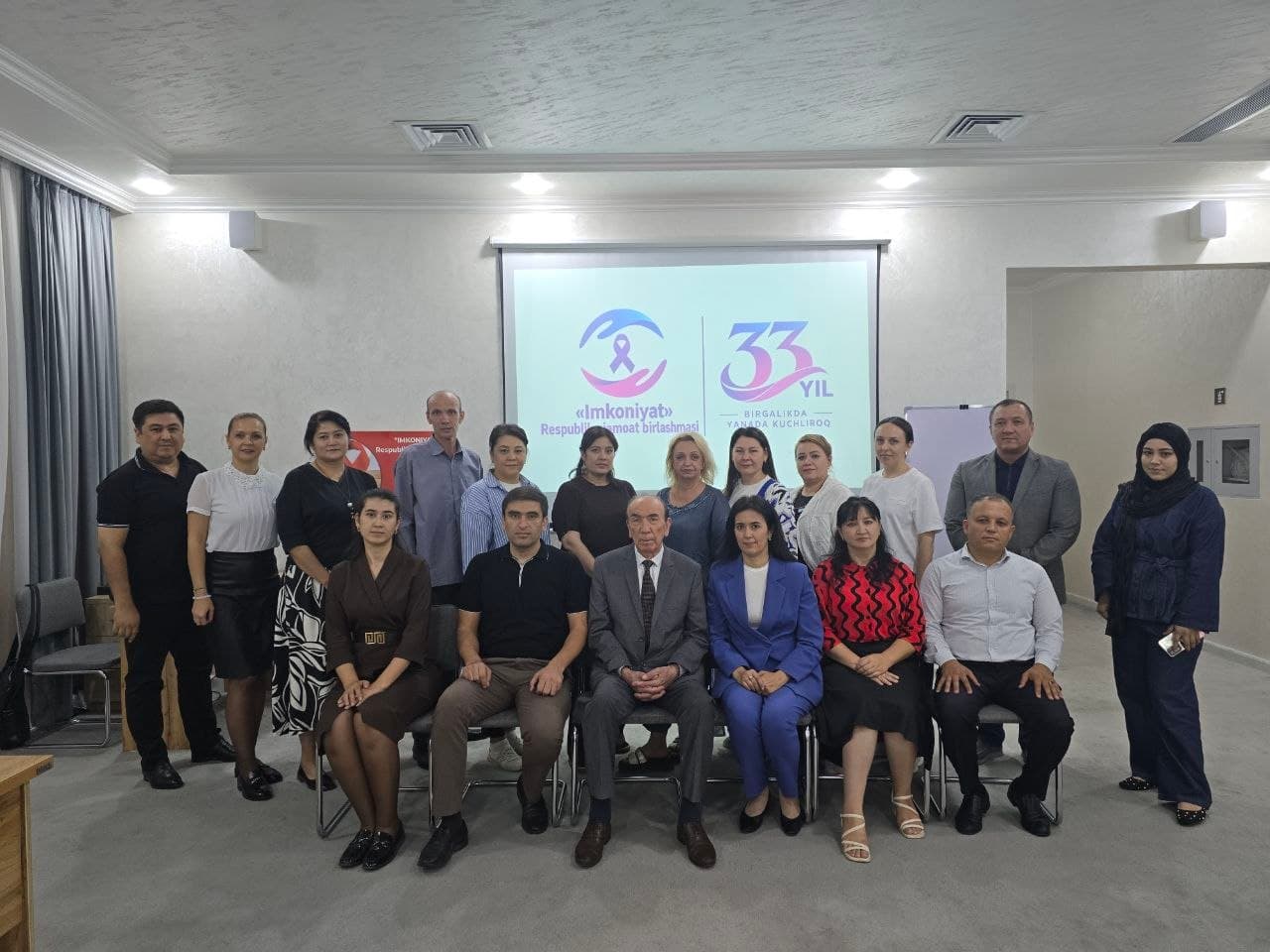
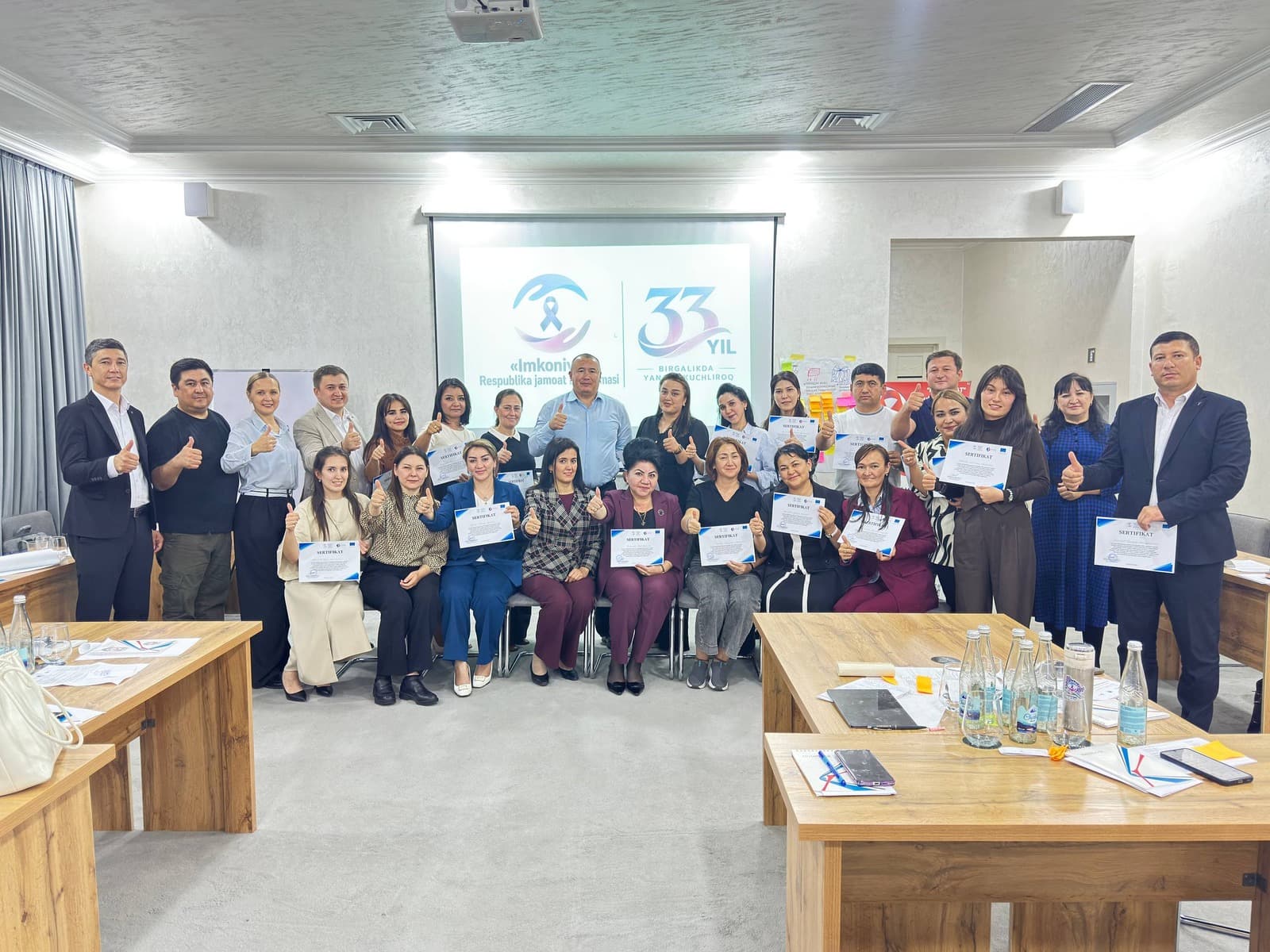
On 29 September 2026, a round table with partners and like-minded colleagues marked the 33rd anniversary of the founding of the Republican Public Association IMKONIYAT.
From the organisation’s report for the first nine months of 2026 — not a full year’s results.
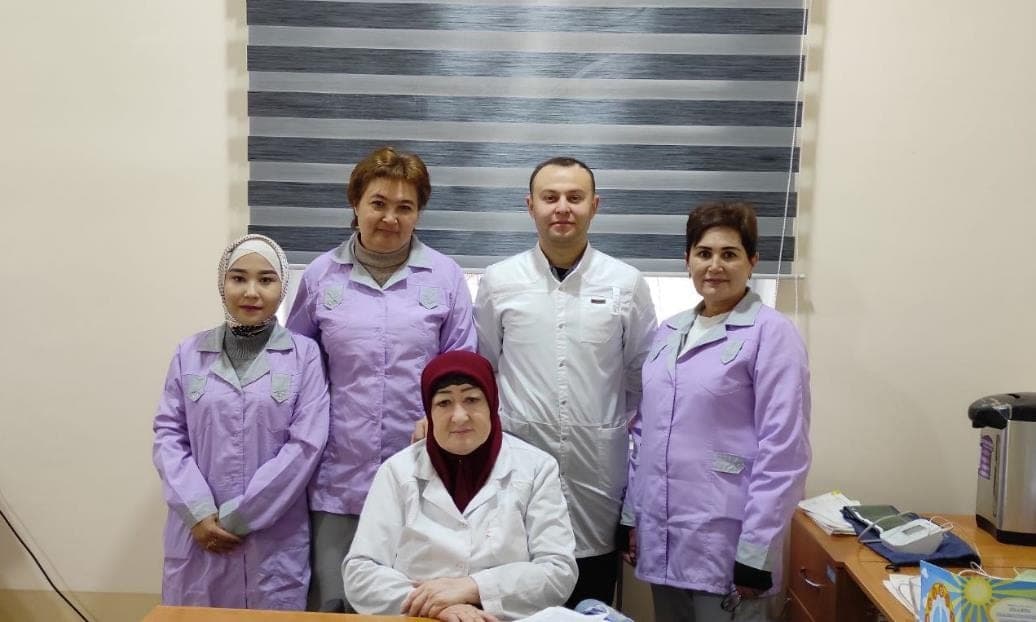
In 2011 we set up the first multidisciplinary teams at six polyclinics in Tashkent. Today 14 teams work at AIDS centres in every region: a coordinator, an infectious-disease physician, a psychologist and peer consultants together help people living with HIV start treatment, return to it and not be left alone in a difficult situation.
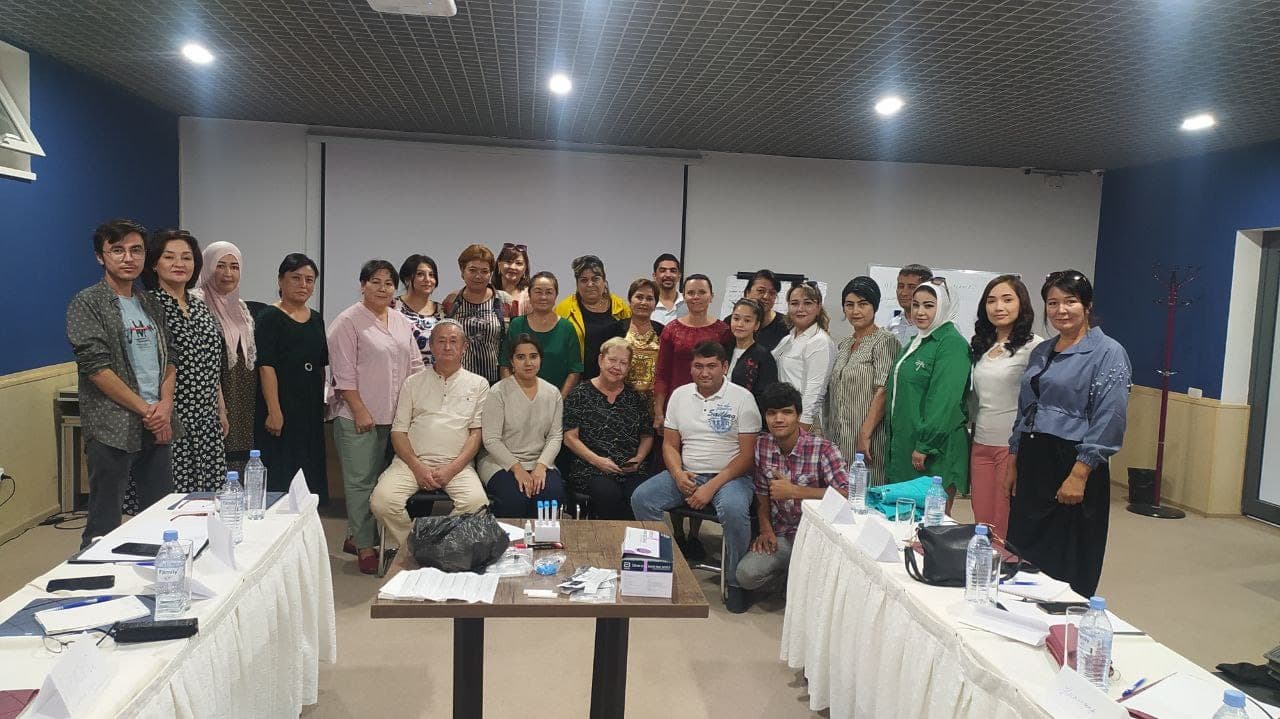
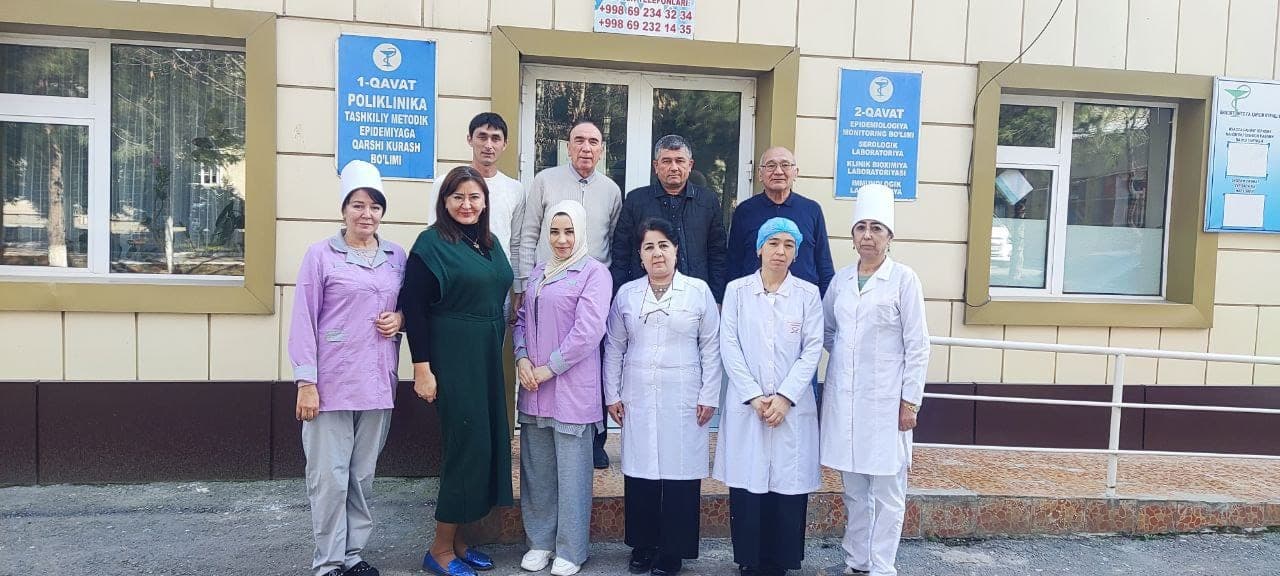
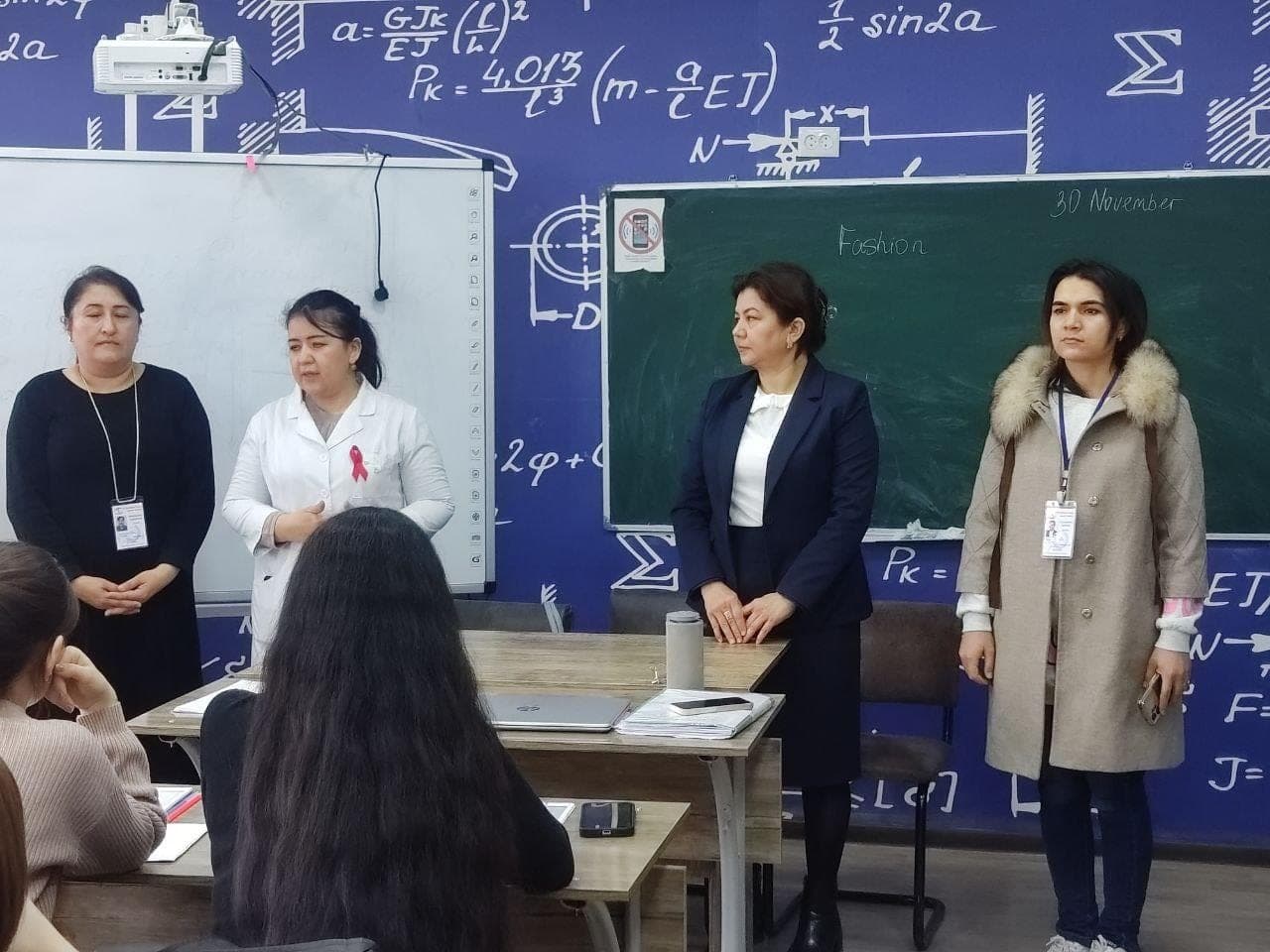
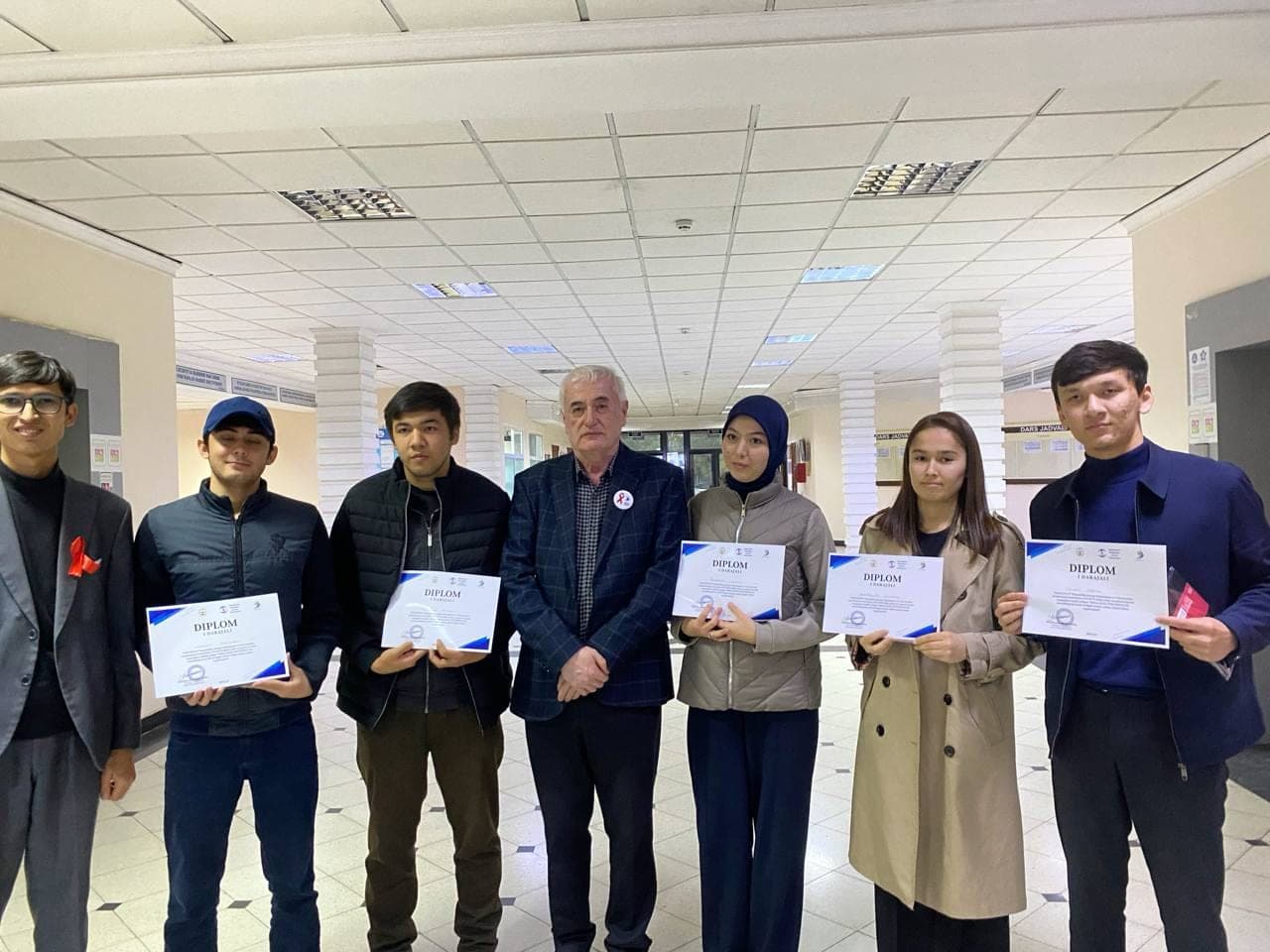
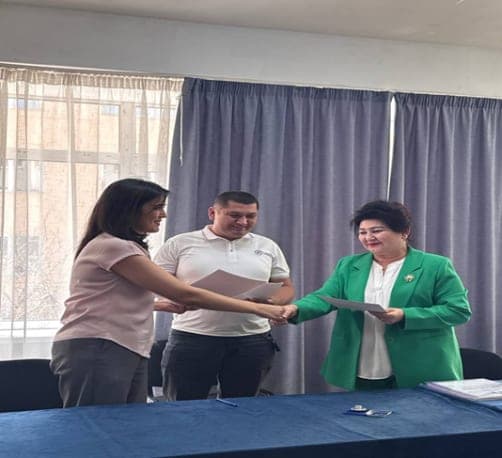
Seminars, quizzes, testing campaigns and meetings with partners — in different regions and different years. Each caption names the event and the date.
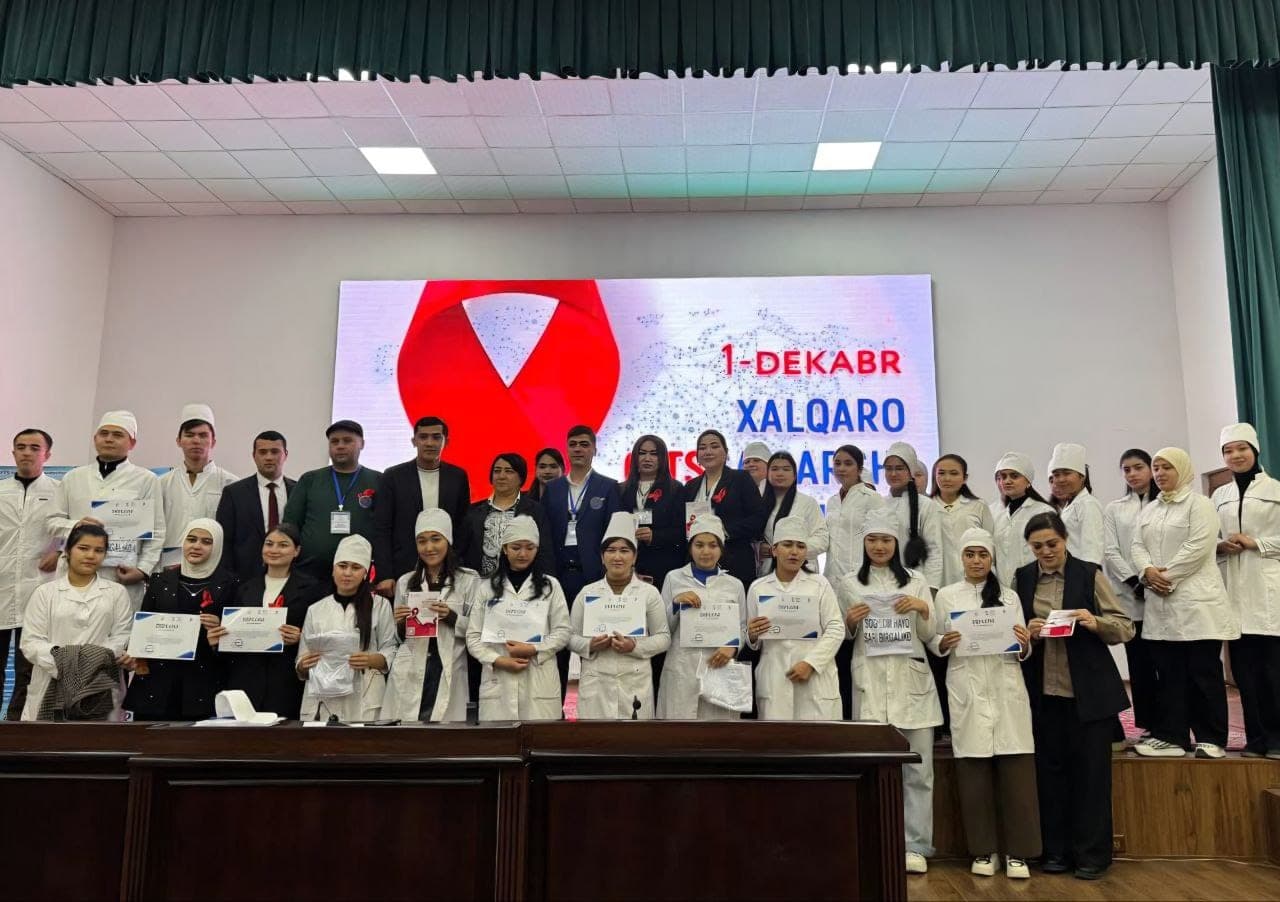
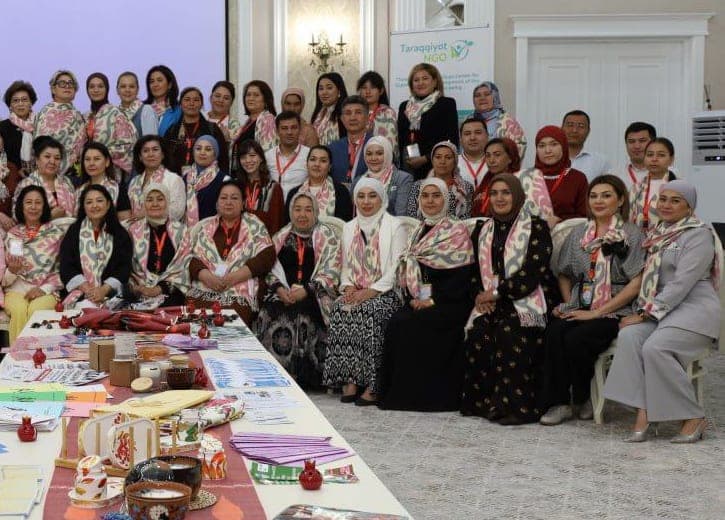
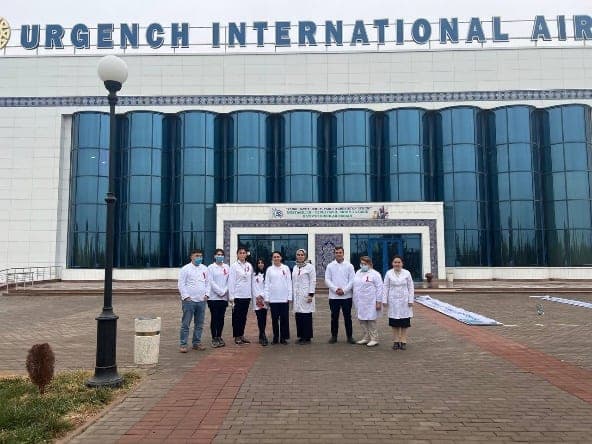
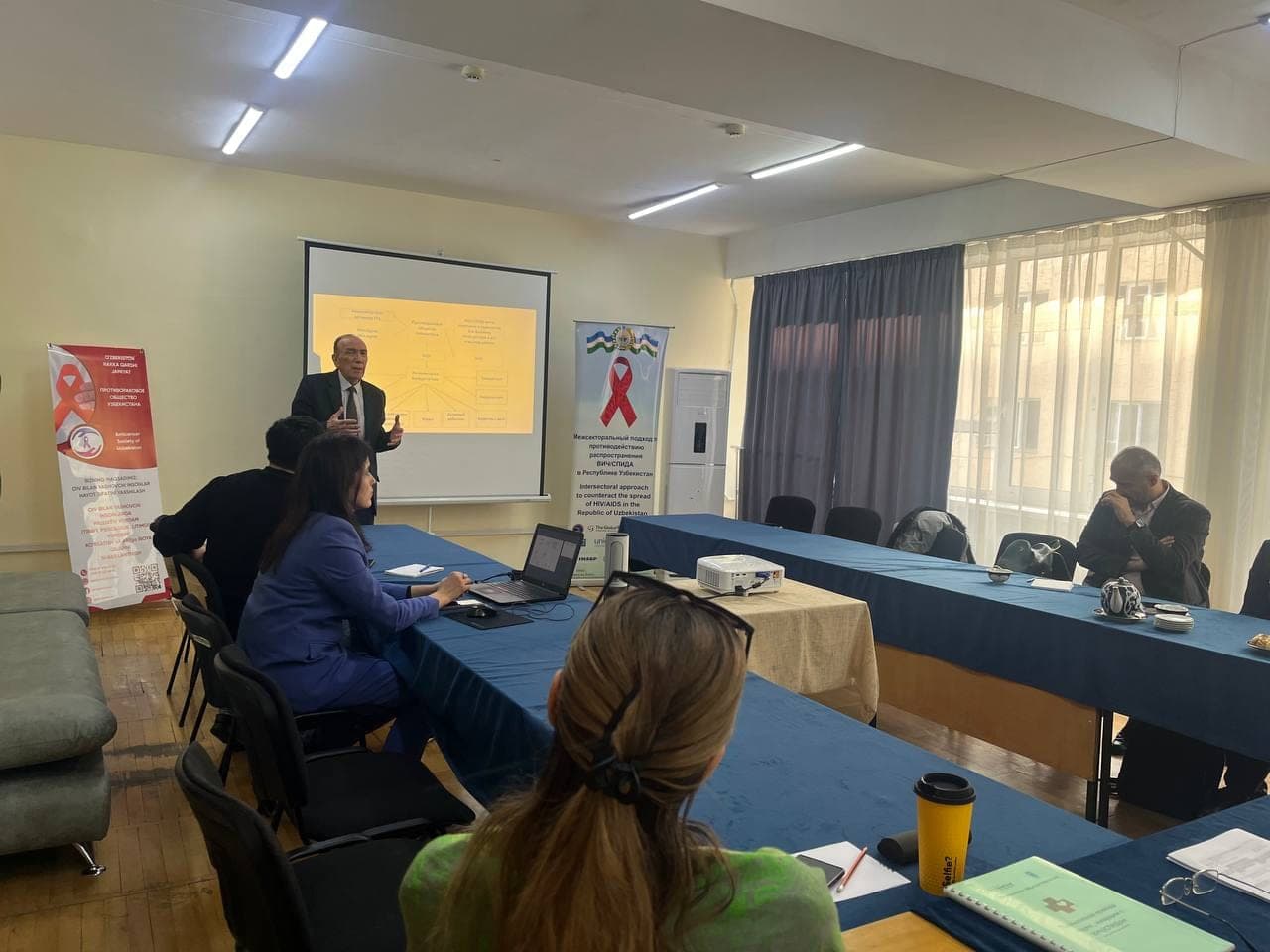
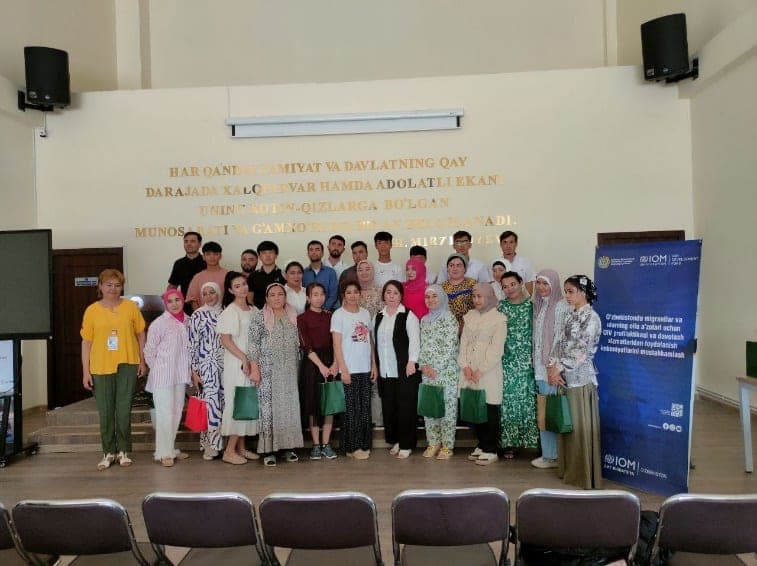
Each year has its own story, its own projects and its own figures. We never add different years together.
Since 2011 we have delivered projects supported by the Global Fund, international organisations and national partners.
Featured project
Fifteen interactive quizzes in 15 districts and towns of Tashkent region, a seminar for teachers, training for young volunteers and a Telegram bot.
We help detect HIV earlier and start treatment sooner, inviting the partners of people living with HIV to free, confidential and anonymous testing.
Fourteen mobile multidisciplinary teams find and support people living with HIV who have stopped treatment or lost contact with care, and help them start or resume ART.
Media literacy against stigma and discrimination towards women living with HIV: seminars, 10 scripts and video materials in Uzbek.
Our teams work at the AIDS centres of 12 regions, Tashkent city and the Republic of Karakalpakstan.
We work closely with the Ministry of Health, the AIDS centres and regional administrations, and international organisations support our projects.

Five rounds about HIV, facts, stigma and rights. Play at your own pace, explore the explanation after each answer and unlock the next round.
Twelve statements about HIV that people hear every day. Decide which are myths and which are facts — and find out why straight away.
A quick game: twelve things people say and do. Sort each card into support or stigma — with one tap.
We are open to cooperation with state bodies, international organisations and partners. If you need information or support, write to us: you do not have to give your real name, and we never ask about your health.