
Coordinator
Responsible for the quality and completeness of services; analyses why treatment is interrupted and plans the work of bringing people back into ART.
A multidisciplinary team is physicians, psychologists and peer consultants who together support a person living with HIV from the first consultation to sustained treatment. We introduced the model in Uzbekistan in 2011.
Antiretroviral drugs are not enough if a person seeks help late, fears disclosure, or is left alone with depression, debt and family conflict. Experience shows that the reasons people stop treatment are more often psychological, social and economic than medical. These are the barriers our teams work on every day.
We look for people who have lost contact with care or stopped treatment, and those just starting therapy.
We build trust and work out together what is getting in the way of treatment.
We counsel, accompany people to the AIDS centre and to specialists, and visit those who cannot come themselves.
Self-help groups and help for the family and with social issues — until treatment is sustained.
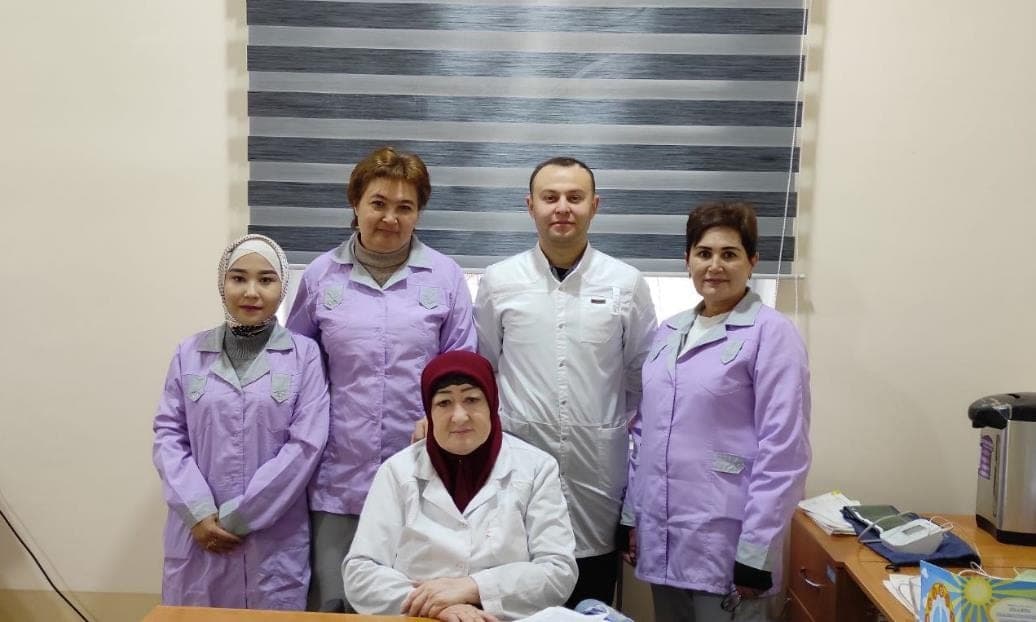
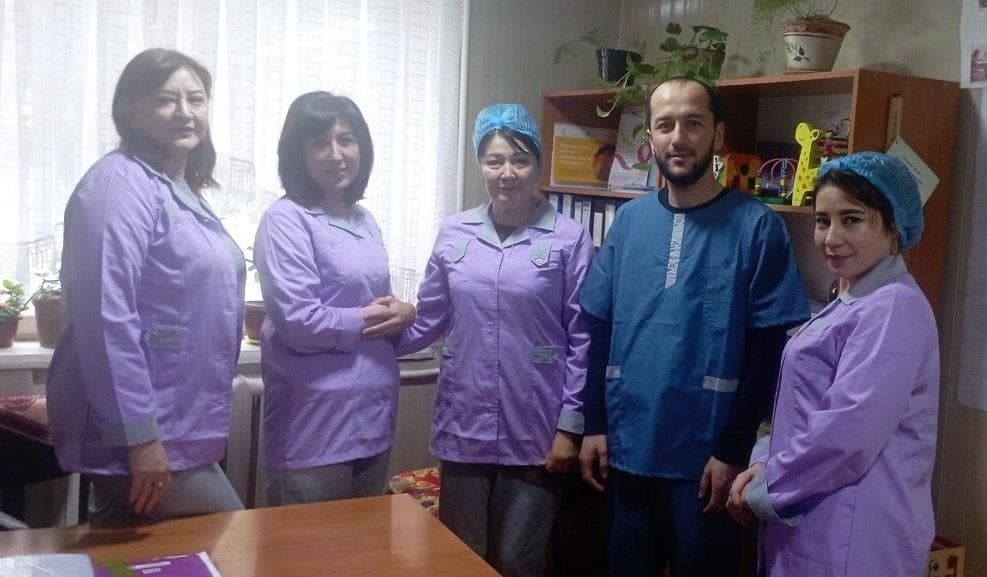
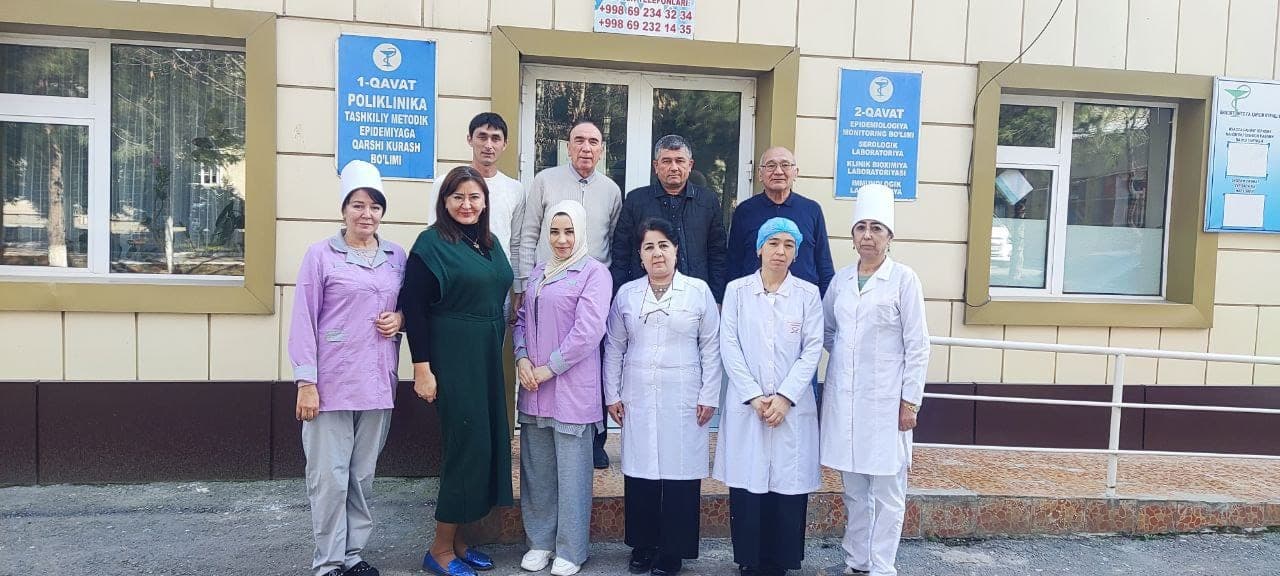
The team as constituted since 2025. Mobile teams visit patients who cannot come to an AIDS centre because of their health, lack of money or stigma; 14 vehicles serve every region for this.
Responsible for the quality and completeness of services; analyses why treatment is interrupted and plans the work of bringing people back into ART.
Counsels on and motivates adherence, identifies co-existing conditions and refers people to specialists in good time.
Supports the patient and family at every stage including bereavement, runs support groups and trains peer consultants.
Shares their own experience, motivates and supports, helps with social problems and defends the patient’s interests in health facilities.
The MDK model is a partnership between the state and civil society. State medical institutions provide clinical care; our specialists and the community of people living with HIV add psychosocial support, counselling, motivation, self-help groups, prevention and accompaniment for those who have lost contact with the health system.
Team members upskill at our Zoom conferences twice a month and in online seminars; all are certified in HIV care. The work follows MDK manuals and standards.
2011
Six teams at central polyclinics in Tashkent: a physician, a psychologist and two social workers. About 3,500 people helped in six months; the first methodological recommendations.
2012–2013
Teams at the AIDS centres of eight regions; working protocols between physicians and peer consultants.
2014–2016
Teams in every region; 16 teams in 2016; more than 11,000 people helped.
2019–2021
More than 44,000 patients received comprehensive medico-psychosocial care; annual reach exceeded targets.
2022
18 stationary and 14 mobile teams — for the first time in Uzbekistan teams travel to patients; 16,462 people reached by the stationary teams and 9,124 by the mobile ones.
2023
16 stationary teams: 14,216 primary clients against a target of 10,000; the mobile service made 1,230 field visits.
2024
11,105 primary clients; 2,056 people who had not come to the AIDS centres for years received support again.
2025
14 teams focused on bringing people back to treatment: 24,283 visits, 12,899 primary clients, 1,996 people starting ART for the first time.
2026
In the first half of the year 1,304 people started or resumed ART against a target of 1,098.
4,256people
Served by MDK (primary visits)
1,304people
Started or resumed ART with MDK support (plan: 1,098)
496people
Brought back under medical follow-up (plan: 456)
1,202
Psychosocial support services for relatives and family
January–June 2026 · MDK monitoring, January–June 2026 (IMKONIYAT partner presentation, 2026)
Today the MDK teams are not a stand-alone project but an important part of the national HIV response.
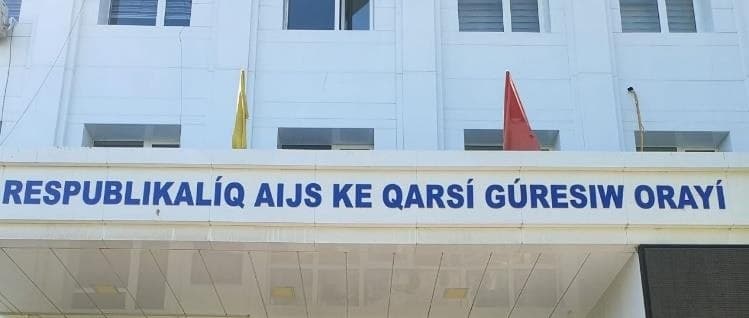
MDK at the AIDS Centre of the Republic of Karakalpakstan
MDK at the Andijan Regional AIDS Centre
MDK at the Bukhara Regional AIDS Centre
MDK at the Fergana Regional AIDS Centre
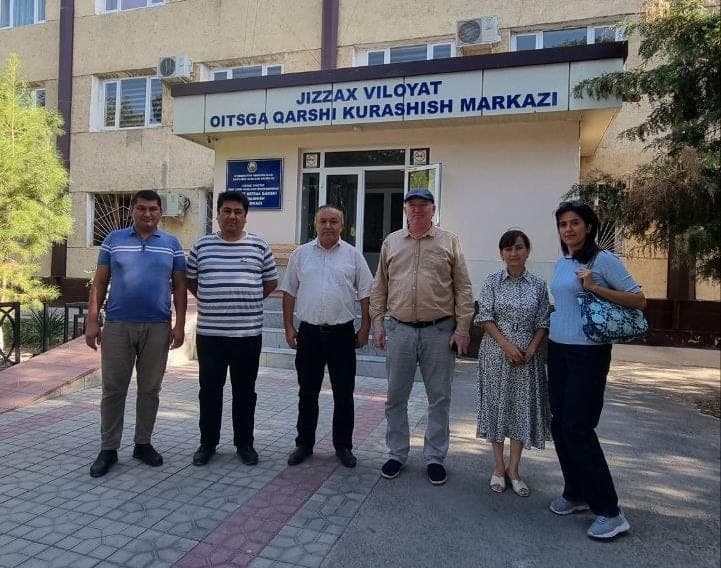
MDK at the Jizzakh Regional AIDS Centre
MDK at the Kashkadarya Regional AIDS Centre
MDK at the Khorezm Regional AIDS Centre
MDK at the Namangan Regional AIDS Centre
MDK at the Navoiy Regional AIDS Centre
MDK at the Samarkand Regional AIDS Centre
MDK at the Sirdarya Regional AIDS Centre
MDK at the Surkhandarya Regional AIDS Centre
MDK at the Tashkent City AIDS Centre
MDK at the Tashkent Regional AIDS Centre