Impact

A short overview of results by year. Open each full report to read all chapters, results and documentary material for that period.

Results, report by report

Each period is presented in the order of the organisation’s own report, with the report’s photographs where it has them. Figures belong to their own period and are never added together.

  1. January–September 2026

    January–September 2026: projects, young people and new partnerships

    This report covers part of the year only, not the full calendar year.

    The full report for January–September 2026: SOMEC, the Global Fund and MDK, youth quizzes, regional activities, results, partnerships and organisational development.

    MDK service visits
    8,741
    January–September 2026
    MDK primary clients
    4,526
    January–September 2026
    started / restarted ART (MDK)
    731 / 800
    January–September 2026
    mutual-support groups, 980 participants
    152
    January–September 2026
    new SOMEC clients
    263
    January–August 2026
    quiz events, 446 participants
    16
    2026

    In the order of the report

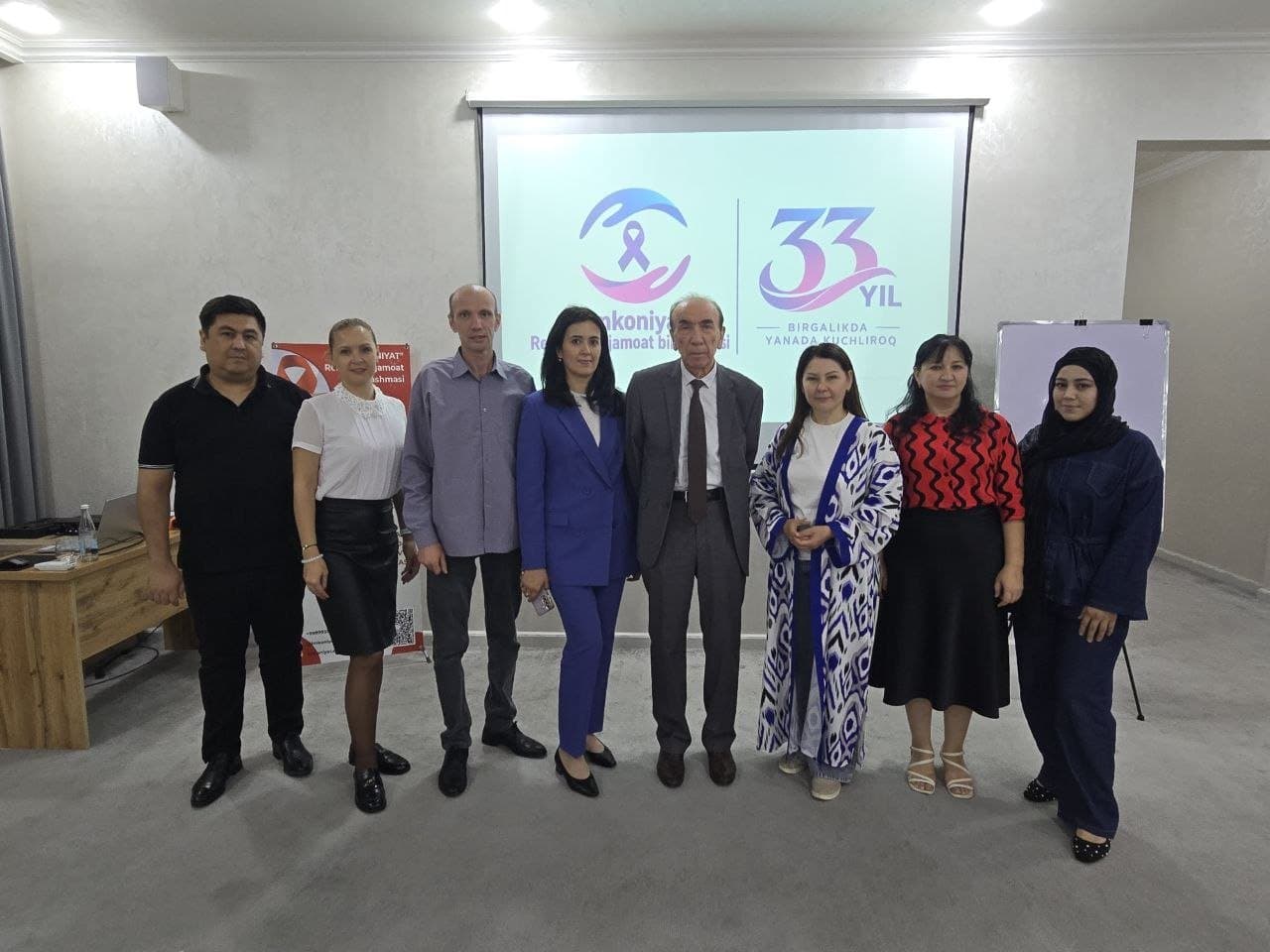
    1. Participants at the IMKONIYAT 33rd anniversary meeting
      1Overview of activity in 2026
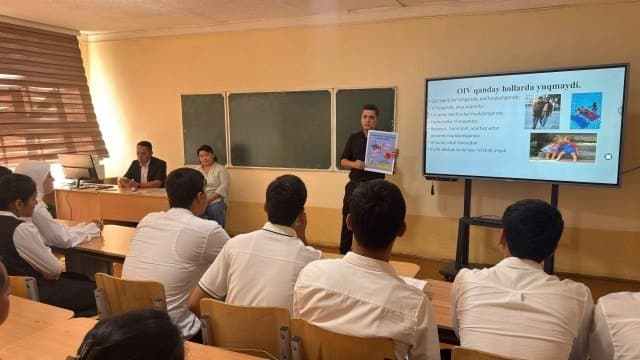
    2. An HIV prevention session for students, with the slide “When HIV is not transmitted”
      2Main projects implemented in 2026
    3. 3Main results and social impact
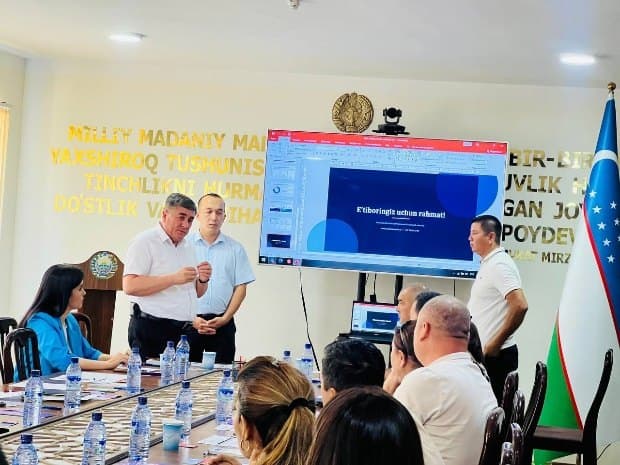
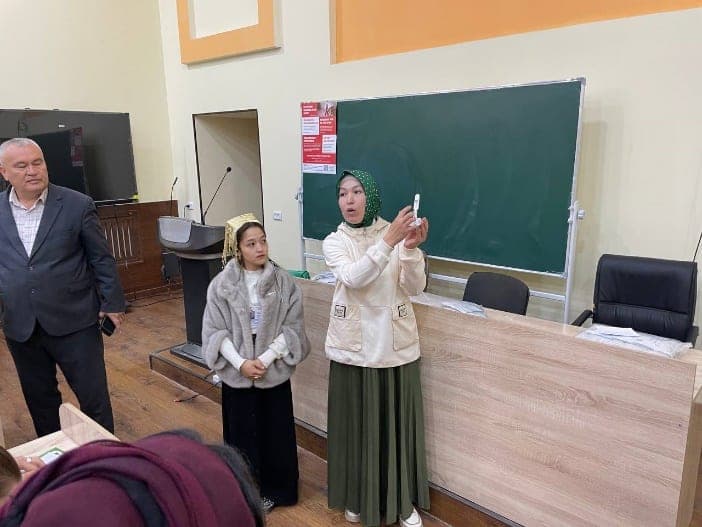
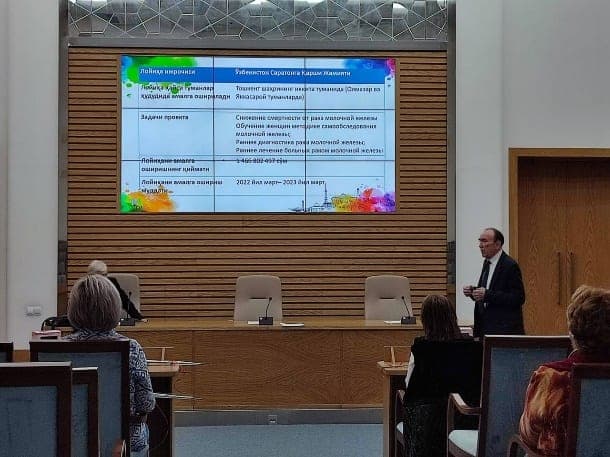
    4. A presentation at the SOMEC round table in Samarkand
      4Strategic cooperation in 2026
    5. 5Institutional development
    6. 6Sustainability and future directions
    7. 7Conclusion

    Read the report · January–September 2026 →

  2. 2025

    2025: new projects and new partnerships

    In 2025, 14 multidisciplinary teams at the AIDS centres of every region received 24,283 visits, 12,899 of them first visits; 1,996 people started ART for the first time. We launched the EU Tabassum and SOMEC projects, held 16 quizzes across all regions, joined the Taraqqiyot Centre’s women’s network, met the WHO mission and UNODC, and signed a new cooperation memorandum.

    visits to the teams
    24 283
    primary clients
    12 899
    6,904 men, 5,995 women
    people started ART for the first time
    1 996
    1,104 resumed
    mutual-help groups
    354
    1,982 participants
    quizzes across all regions
    16
    against 14 planned

    In the order of the report

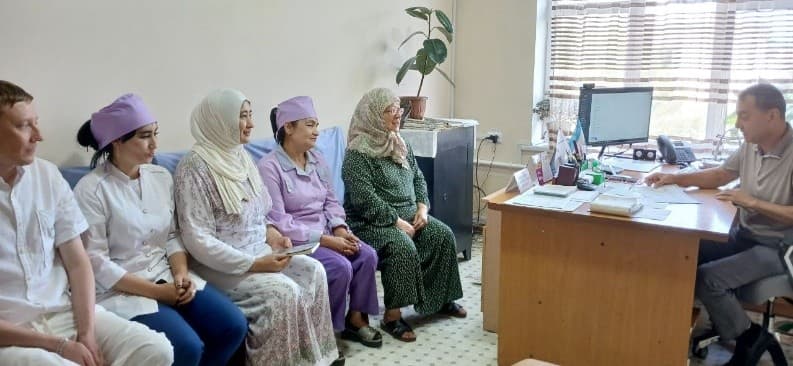
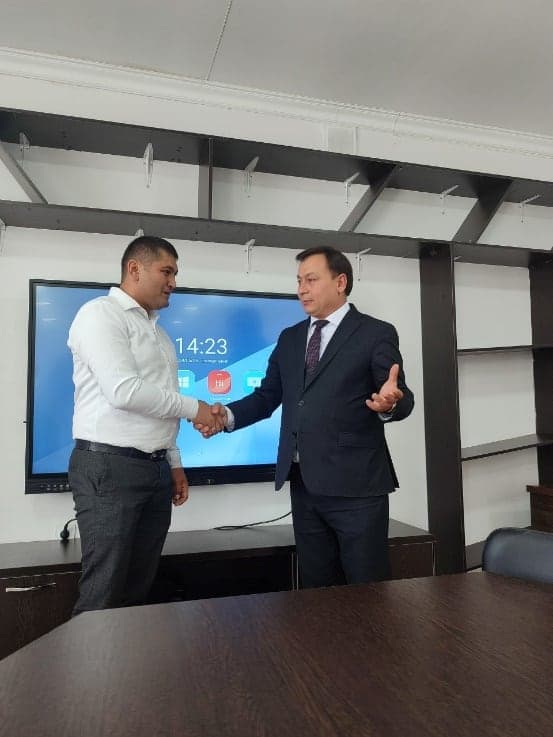
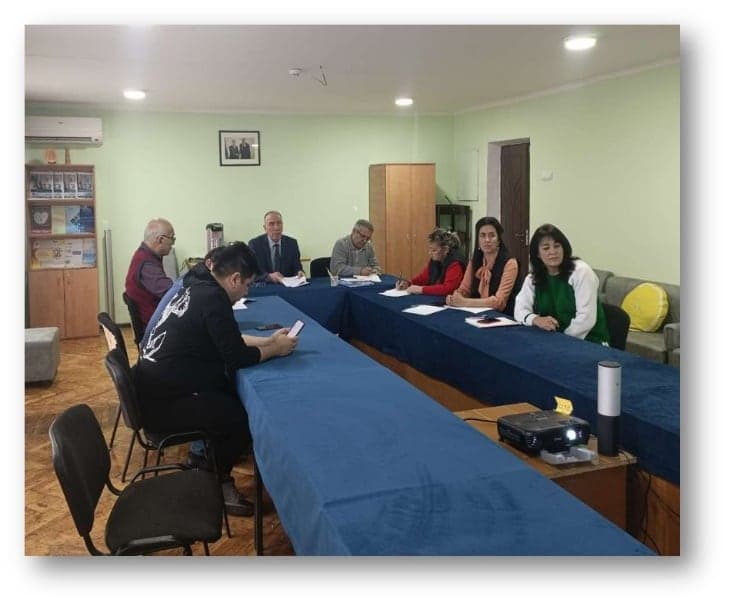
    1. An official meeting around a table
      1Overview of activity in 2025
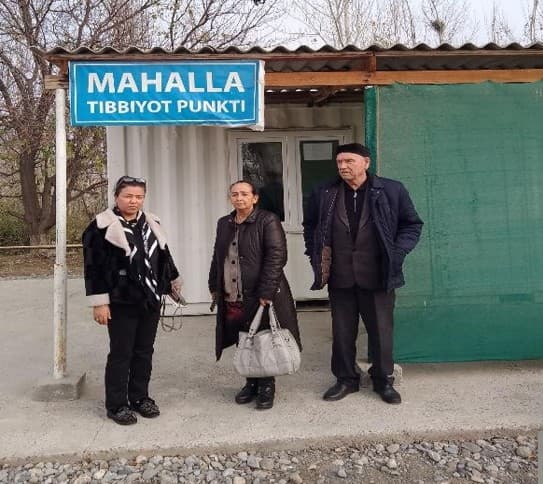
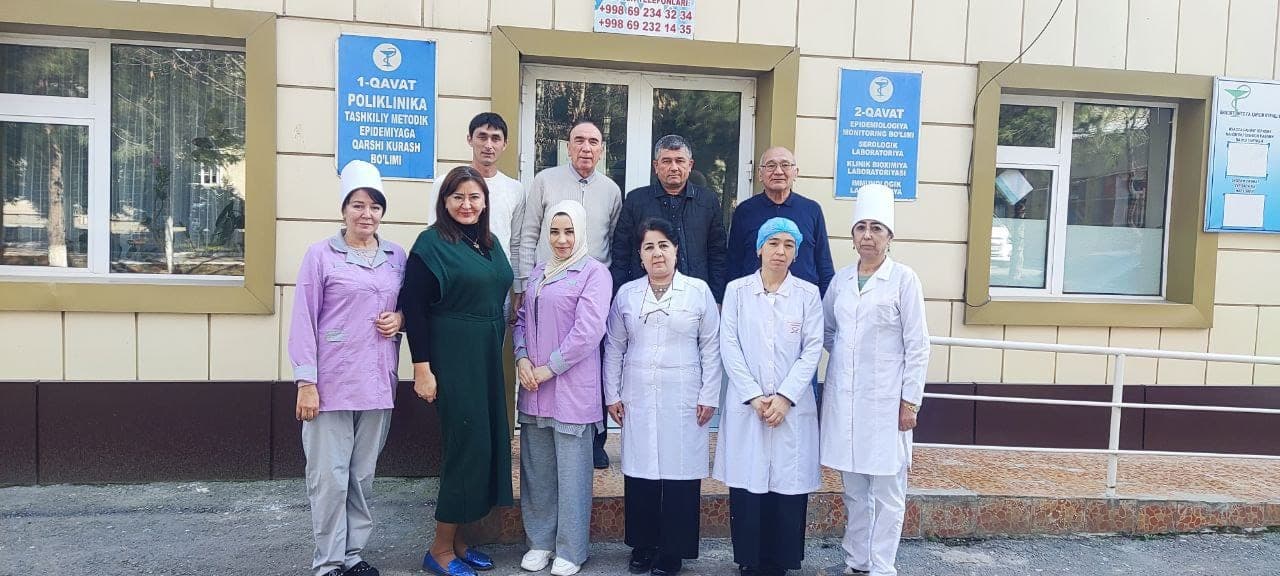
    2. A group photograph outside a medical facility
      2Main projects implemented in 2025
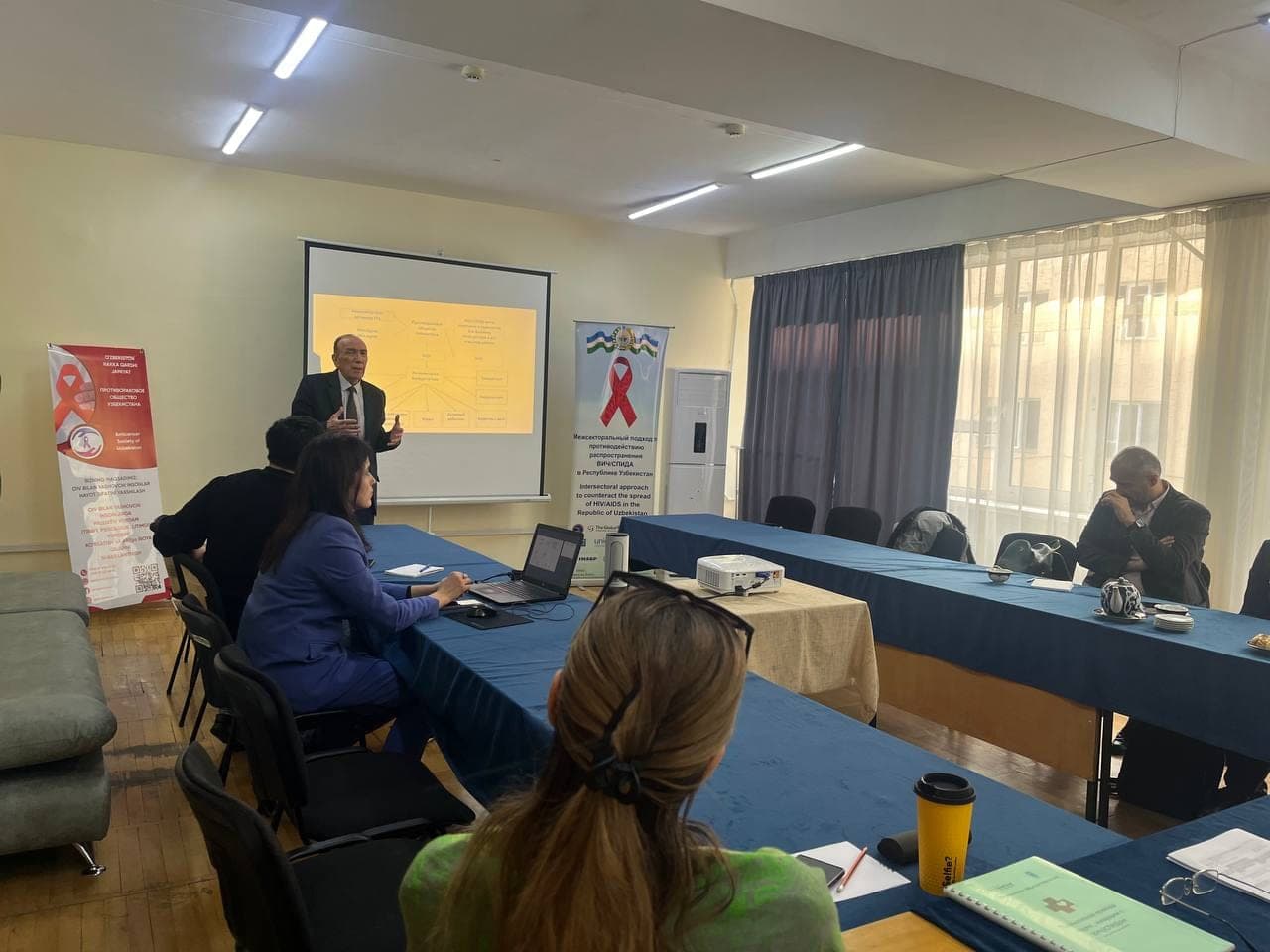
    3. A speaker at a presentation screen in a conference room with blue tables; participants listen
      4Strategic cooperation in 2025
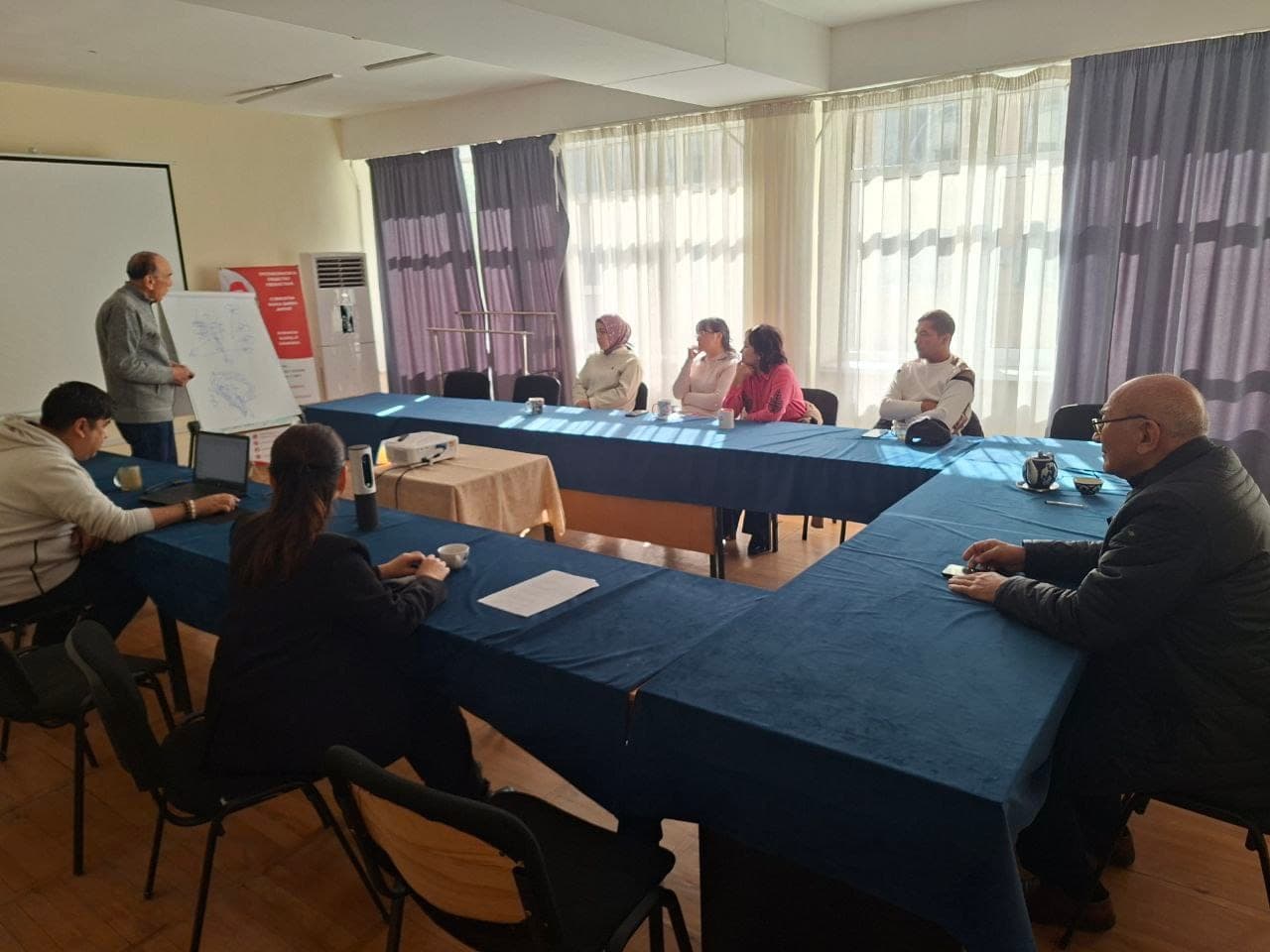
    4. A facilitator at a flip chart and staff at tables in a training room
      5Institutional development
    5. 62025 results
    6. 7Priorities for 2026
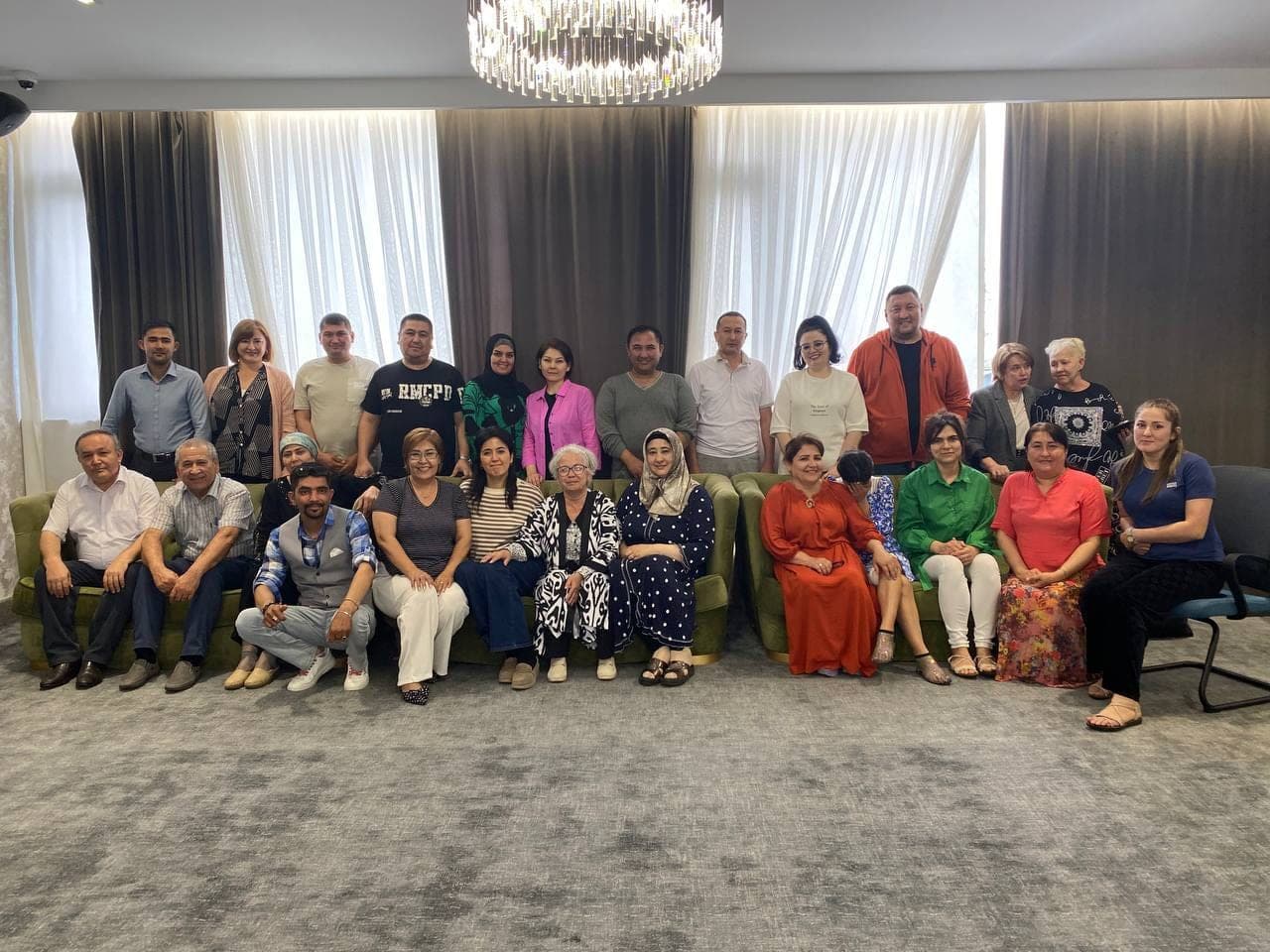
    7. Group photograph of about thirty people in a bright room with a chandelier
      Conclusion

    Read the report · 2025 →

  3. 2024

    2024: community, migrants and strategy

    In 2024, 16 teams at the AIDS centres supported 11,105 people living with HIV who came to them for the first time, against a target of 10,000; 2,128 people started treatment for the first time, and 2,056 people who had long lost contact with the centres received support again. We completed the migrants project with IOM, held a quiz for Tashkent students and adopted the organisation’s development strategy for 2025⁠–⁠2028.

    primary clients of the teams
    11 105
    target: 10,000
    people started ART for the first time
    2 128
    people supported again after a long gap
    2 056
    mutual-help groups
    360
    2,931 participants
    people received legal help
    510

    In the order of the report

    1. 1Overview of activity in 2024
    2. An organisational meeting around a table
      2Main projects implemented in 2024
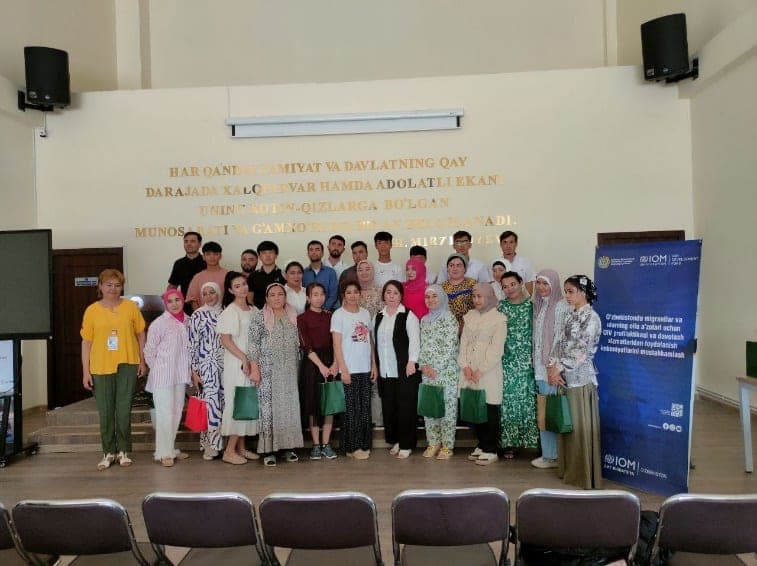
    3. Group photograph of seminar participants in a hall with an International Organization for Migration banner
      3Project for migrants and their families
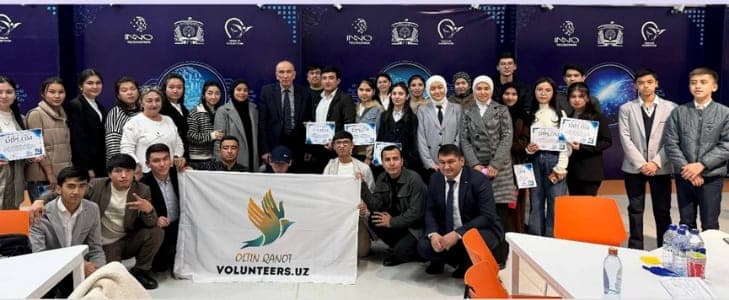
    4. Group photograph of students with certificates and the flag of the Oltin Qanot volunteer movement
      4HIV prevention and education events
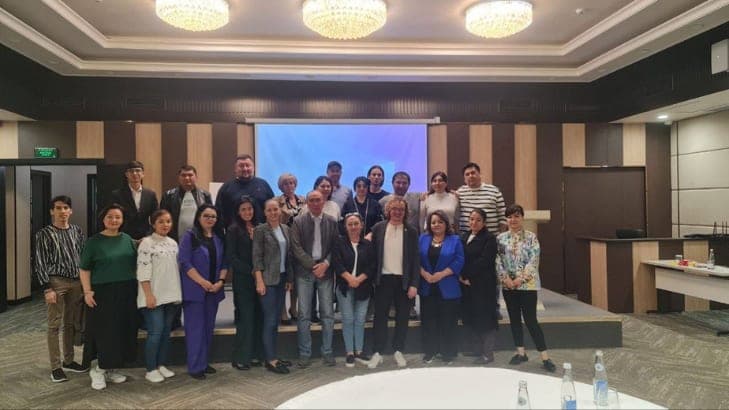
    5. Group photograph of training participants in a hall with chandeliers
      5Civil society and organisational capacity building
    6. 6Institutional capacity and human resources
    7. 7Strategic cooperation
    8. Participants at a public sports event
      8The significance of activity in 2024
    9. 9Conclusion

    Read the report · 2024 →

  4. 2023

    2023: mobile services, migrants and volunteers

    In 2023, 16 stationary teams supported 14,216 people living with HIV against a target of 10,000, and the mobile team made 1,230 field visits. We began working with migrants and their families together with the International Organization for Migration, ran a Rapid HIV Testing Week, formed a volunteer team and registered our Tashkent regional branch.

    primary clients of the stationary teams
    14 216
    target: 10,000
    people started ART for the first time
    4 409
    stationary teams
    mobile-team field visits
    1 230
    mutual-help groups
    289
    2,178 participants
    people took a rapid test during the Testing Week
    ≈4,000
    migrants took part in the information campaign
    100

    In the order of the report

    1. 1Overview of activity in 2023
    2. A group of staff in medical uniforms at the entrance to a building
      2Global Fund: stationary multidisciplinary teams
    3. A group photograph outside an institution
      3Global Fund: mobile multidisciplinary teams
    4. 4Work with migrants and their families
    5. A talk to students in a lecture room with a blackboard
      5Major events
    6. Two participants shaking hands at an organisational event
      6Organisational development in 2023
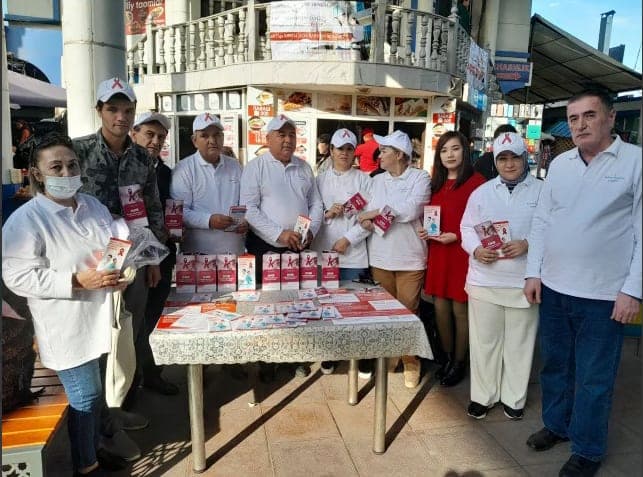
    7. Staff in caps with the red ribbon at a table of information materials
      7Conclusion

    Read the report · 2023 →

  5. 2022

    2022: care that comes to the person

    In 2022 we ran 18 stationary and 14 mobile multidisciplinary teams. We brought medical, psychological, social and legal help closer to people living with HIV, began looking for those who had lost contact with services, and held our first quiz on HIV prevention.

    people living with HIV reached by the teams
    16 462
    excluding repeat visits
    people reached by the mobile teams
    9 124
    stationary and mobile teams
    18 + 14
    people received legal help
    557

    In the order of the report

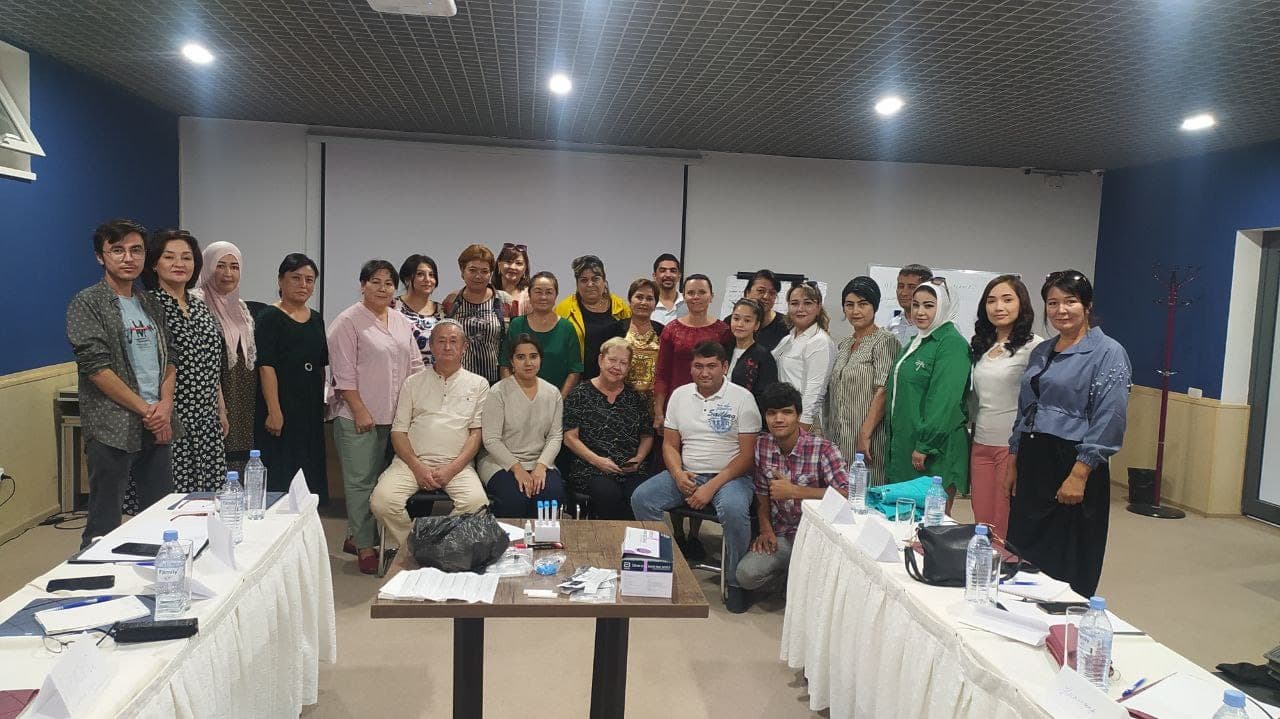
    1. Group photograph of about thirty seminar participants in a bright room with white tables
      1Overview of activity in 2022
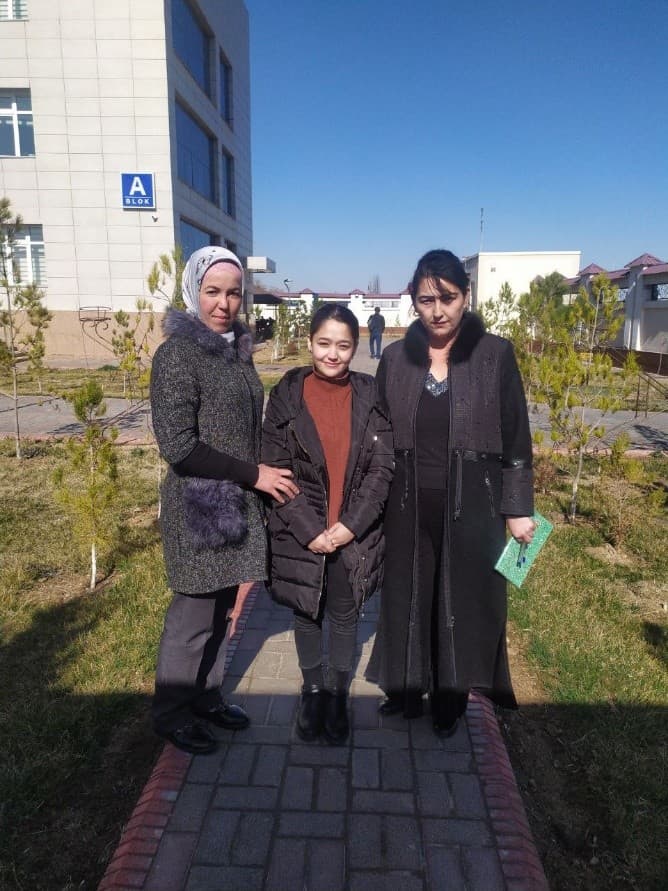
    2. Three participants outdoors
      2Main areas of activity implemented in 2022
    3. Meeting participants around a blue table
      3Institutional capacity and human resources
    4. A speaker beside a screen showing a table in a conference hall; participants seen from behind
      4Strategic cooperation
    5. 5The significance of activity in 2022
    6. 6Conclusion

    Read the report · 2022 →

Detailed monitoring figures

January–June 2026

Source: MDK monitoring, January–June 2026 (IMKONIYAT partner presentation, 2026)

  • 8,101

    Visits to MDK services

  • 4,256people

    Served by MDK (primary visits)

  • 6,638

    Adherence consultations

By type of service

  • Medical services2,053
  • Psychological services1,929
  • Social services1,076

Treatment and follow-up

  • Started or resumed ART with MDK support (plan: 1,098)1,304people
  • ART deliveries162
  • Brought back under medical follow-up (plan: 456)496people
  • Accompaniments to medical institutions125

Family and community

  • Self-help groups held127
  • Took part in self-help groups880people
  • Psychosocial support services for relatives and family1,202

Service recipients

  • Men2,360people
  • Women1,896people

By region

Received psychosocial support

  • Andijan region686
  • Bukhara region309
  • Jizzakh region63
  • Kashkadarya region195
  • Navoiy region80
  • Namangan region520
  • Samarkand region410
  • Surkhandarya region423
  • Sirdarya region106
  • Tashkent city259
  • Tashkent region356
  • Fergana region572
  • Khorezm region104
  • Republic of Karakalpakstan173

January–June 2026 · MDK monitoring, January–June 2026 (IMKONIYAT partner presentation, 2026)

Figures that can be compared

Only figures counted the same way every year are shown side by side. Visits, services and half-year results are never compared with annual counts of people.

By year

Source: IMKONIYAT project database, 2011⁠–⁠2026

MDK reach — people who received medico-psychosocial and palliative care

  • 20159,302
  • 201913,837
  • 202012,625
  • 202118,157

Over the whole period

Source: IMKONIYAT short activity information, 2025

  • 85,000people

    Received palliative care over the life of the project — more than 85,000 people

    2011⁠–⁠2025, data as of 2025

    IMKONIYAT short activity information, 2025