
Overview of activity in 2022
In 2022, the organisation’s main activities focused on medical, psychological and social support for people living with HIV, palliative care, strengthening adherence to antiretroviral therapy (ART), and improving the quality of life of people living with HIV and their families.
Since 2011, the organisation has implemented Global Fund projects addressing HIV, tuberculosis and malaria in Uzbekistan and developed palliative care for people living with HIV. In 2022, this work continued through multidisciplinary teams in every region of the country.
The main areas of activity in 2022 were:
- palliative, medical, psychological and social assistance for people living with HIV;
- support for starting antiretroviral therapy and adhering to treatment;
- identifying clients unable to attend AIDS centres for various reasons or who have disengaged from services, and helping them return to treatment;
- bringing services closer to communities through mobile and stationary multidisciplinary teams;
- supporting clients in resolving legal and social matters;
- organising mutual-help and support groups and mini-sessions;
- developing and distributing information and educational materials for people living with HIV;
- developing staff skills and introducing new approaches;
- HIV prevention education for the public, partner organisations and young people;
- developing the organisational capacity of civil society and NGOs.
Main areas of activity implemented in 2022
2.1. Integrated services for people living with HIV
In 2022, the organisation provided palliative, medical, psychological and social assistance to people living with HIV and their relatives in all regions of Uzbekistan.
The organisation operated 18 stationary and 14 mobile multidisciplinary teams. Teams included infectious-disease physicians, psychologists, nurses, drivers and peer consultants. Their main task was to improve the quality of life of people living with HIV and their families, expand access to medical and social services, and support adherence to ART.
Key indicators for 2022
- 16 462 people received services from multidisciplinary team members.
- Men: 8 701.
- Women: 7 761.
- Adolescents: 3 325.
- Children: 219.
- 9 727 people living with HIV returned for services.
- 557 people used the multidisciplinary teams’ legal services.
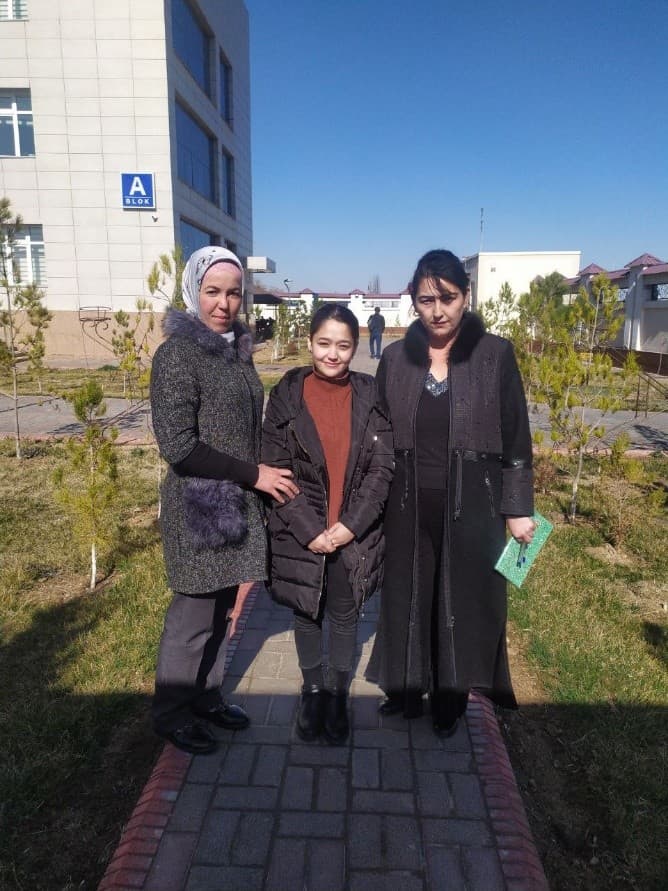
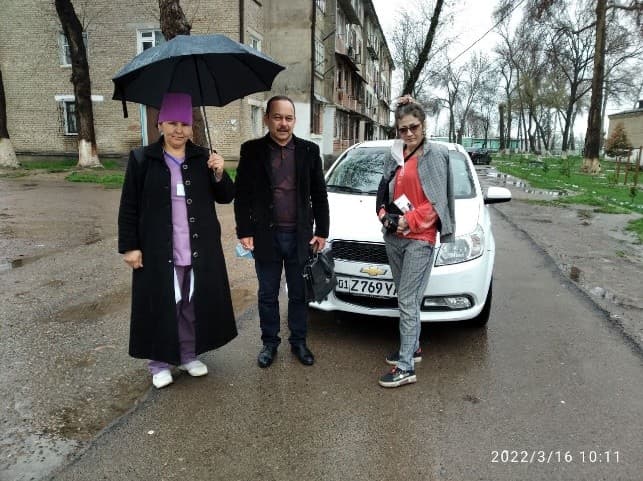
Three participants outdoors · 2022 report. © IMKONIYAT 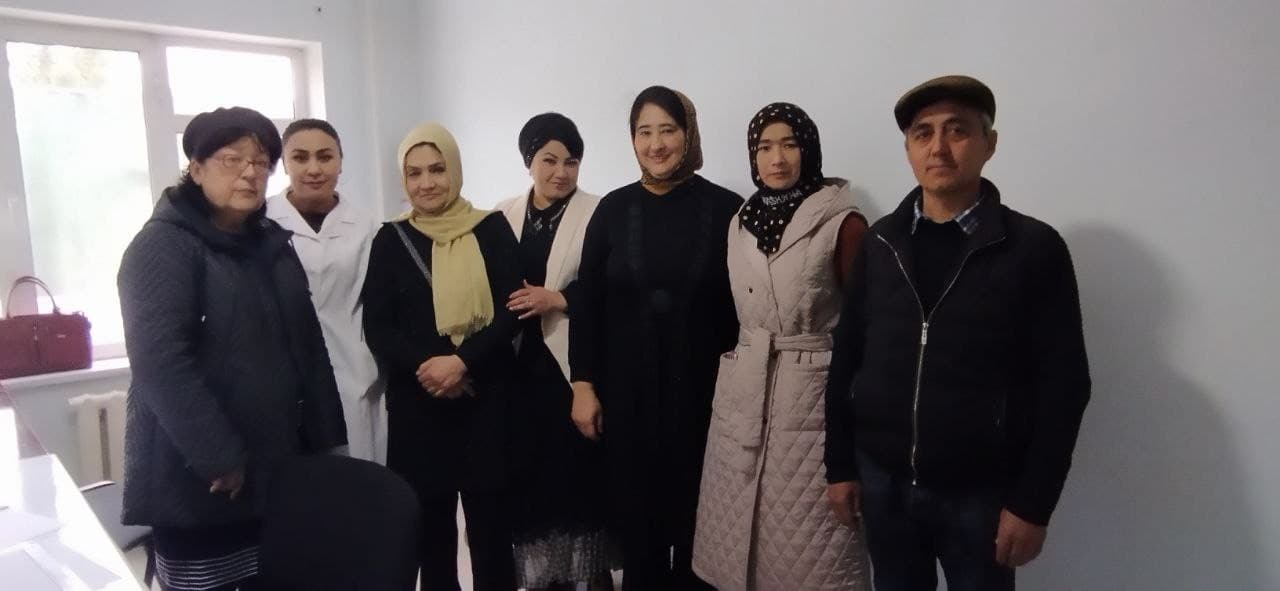
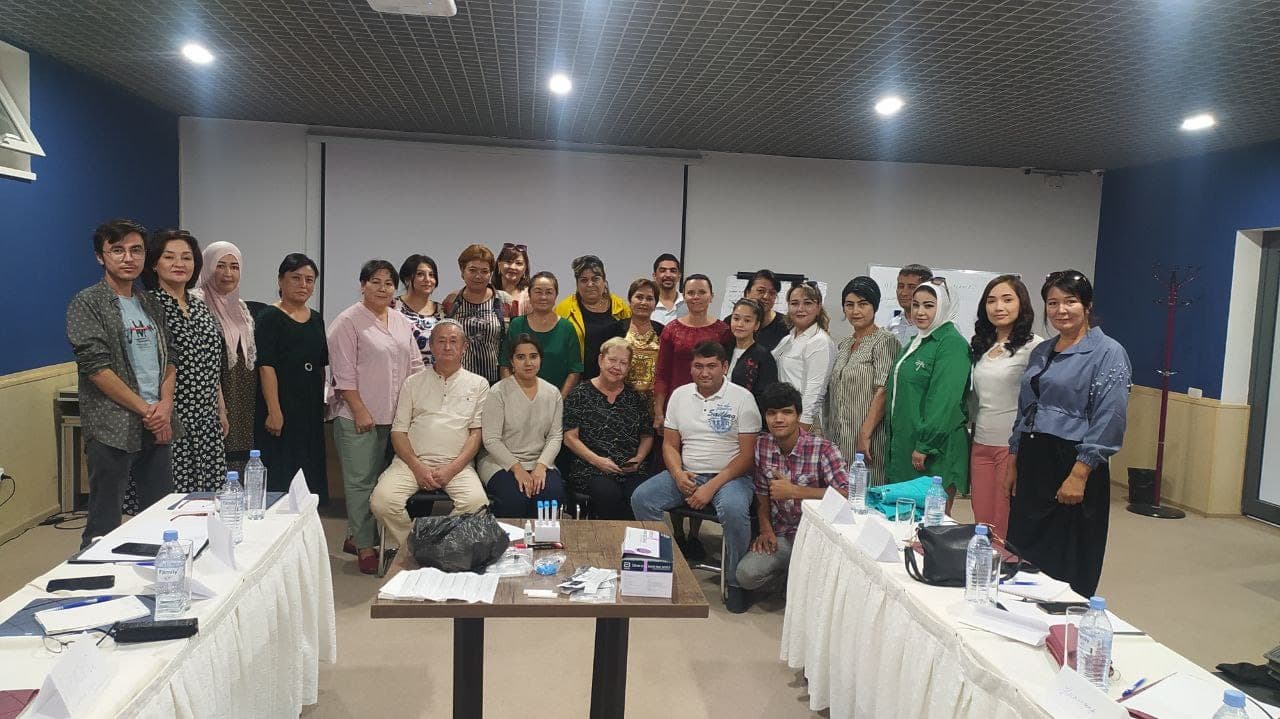
A group photograph indoors · 2022 report. © IMKONIYAT
2.2.1. Mobile multidisciplinary teams
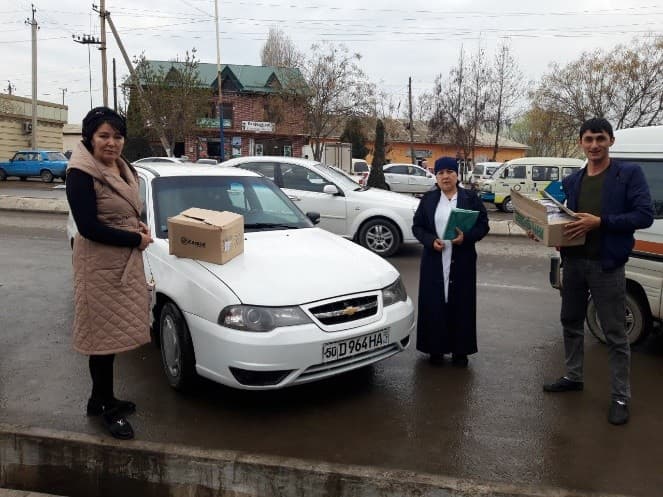
Mobile multidisciplinary teams were established in Uzbekistan for the first time. They brought services closer to where people living with HIV lived.
In particular, the teams:
- worked with people unable to attend AIDS centres for various reasons;
- reached people facing barriers because of health, financial or family circumstances, stigma and discrimination;
- referred people living with HIV to medical services;
- provided counselling on starting ART and building adherence to treatment;
- re-established contact with clients who had disengaged from services;
- helped deliver ART to international and internal migrants;
- cooperated with AIDS centres in some regions to deliver ART medicines to clients;
- regularly monitored clients’ mental and physical wellbeing by telephone.
In 2022, mobile multidisciplinary teams reached 9 124 people with services.
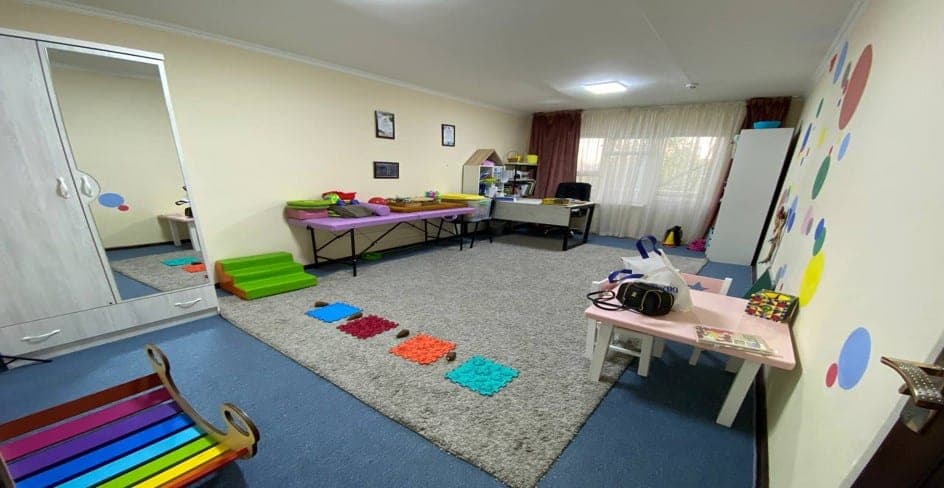
A mental health centre for children and adolescents
In 2022 we opened a mental health centre for children and adolescents, bringing together a neuropsychologist, a speech specialist and a psychiatrist. For adults, yoga groups led by professional trainers supported mental and physical balance.
2.2.2. Re-engaging clients who had lost contact with services
An important new area was identifying people living with HIV who could not attend AIDS centres for various reasons or had disengaged from services, and referring them back to services.
These situations could arise because of:
- health problems;
- financial difficulties;
- family circumstances;
- HIV-related stigma and discrimination;
- migration;
- limited ability to attend an AIDS centre.
These factors could lead to disengagement from services.
Multidisciplinary team members contacted clients, referred them back to medical services and supported adherence to ART.
Our first quiz
Our office hosted our first quiz on HIV prevention: participants learnt through play about prevention, reducing stigma and discrimination, and healthy living. The format later became one of the mainstays of our youth work. Our specialists also appeared as experts on the “Zarb” television programme on preventing infectious diseases, and we held a remembrance event for people who died of AIDS.
2.2.3. Social and legal assistance
In 2022, attention was given to clients’ social and legal needs alongside their medical needs.
Clients received assistance with:
- applying for pensions and benefits;
- restoring and obtaining necessary documents;
- accessing healthcare institutions;
- obtaining and delivering ART;
- resolving migration-related issues;
- legal advice and referrals.
Practical support was provided in these areas.
In 2022, 557 people used the organisation’s legal services.
2.3. Mutual-help and support groups
In 2022, mutual-help and support groups and mini-sessions for people living with HIV were organised in every region of Uzbekistan.
Group and individual sessions addressed:
- preparing to start ART;
- what ART is and how it works;
- the effects of adherence to ART on CD4 cells and viral load;
- the consequences of alcohol use during ART;
- treatment complications;
- opportunistic infections;
- family planning;
- referrals to gynaecologists, breast specialists and oncologists;
- parental support for children’s adherence to ART;
- preventing treatment fatigue;
- nutrition for people living with HIV;
- HIV progression without ART;
- viral hepatitis B and C;
- tuberculosis.
These services increased knowledge among people living with HIV, strengthened mutual support and reinforced adherence to treatment.
2.4. Psychological support and wellbeing
In 2022, additional services were introduced to support the psychological wellbeing of people living with HIV.
Yoga groups led by professional instructors were organised for people living with HIV. Sessions in the fundamentals of yoga aimed to improve mental and physical wellbeing.
A mental health centre bringing together a neuropsychologist, speech pathologist and psychiatrist was established to support children and adolescents.
2.5. Information and education
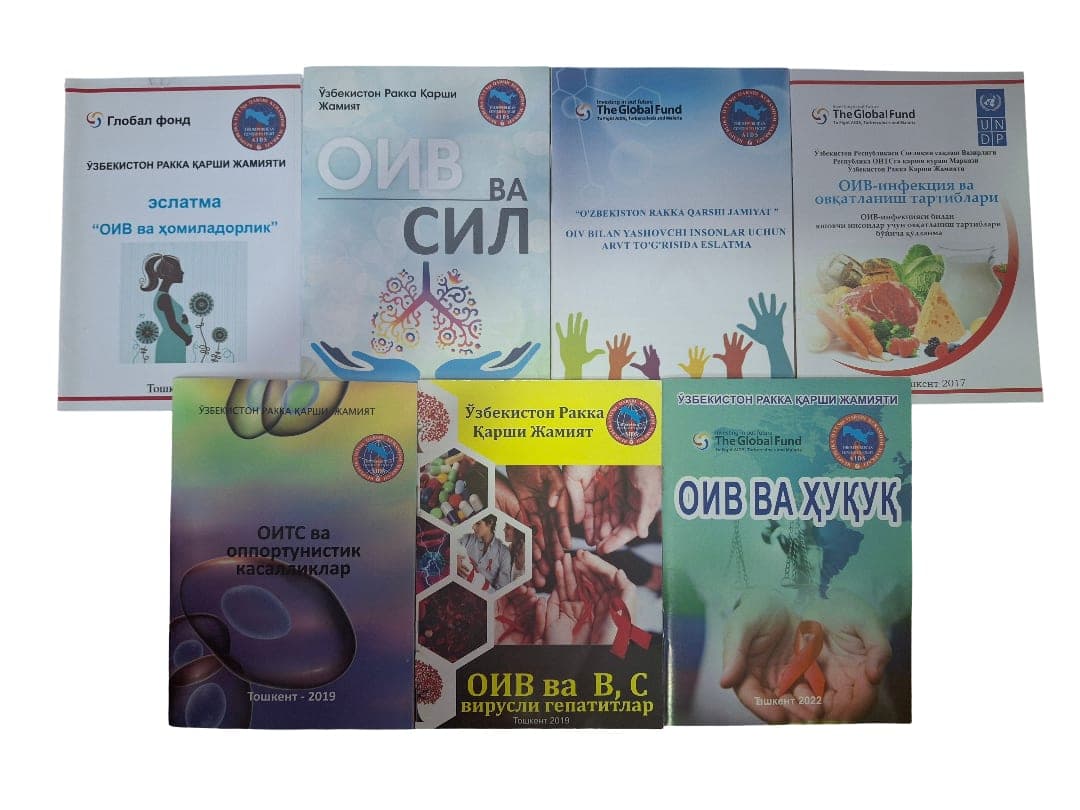
The organisation developed information materials for people living with HIV and other interested groups.
These included:
“An ART reminder for people living with HIV”;
“HIV and pregnancy”;
“HIV and opportunistic diseases”;
“Rights and HIV”;
“HIV and viral hepatitis B and C”;
“HIV and healthy nutrition”;
“HIV and tuberculosis” and other materials.
For clients’ convenience, these guides were also distributed electronically.
2.6. HIV prevention education events
2.6.1. Quiz activities
In 2022, interactive and educational HIV prevention events were organised.
An educational and entertaining HIV prevention quiz was introduced at the organisation’s office for the first time as a new area of work and an interactive approach. Participants learned about HIV prevention, reducing stigma and discrimination towards people living with HIV, and healthy lifestyles through engaging interactive games.
Partners actively contributed to preparing and delivering events, helping expand collaborative HIV prevention information activities.
The quiz format aimed to increase public knowledge and awareness of HIV prevention in an engaging way, discuss misconceptions and encourage interest in prevention.
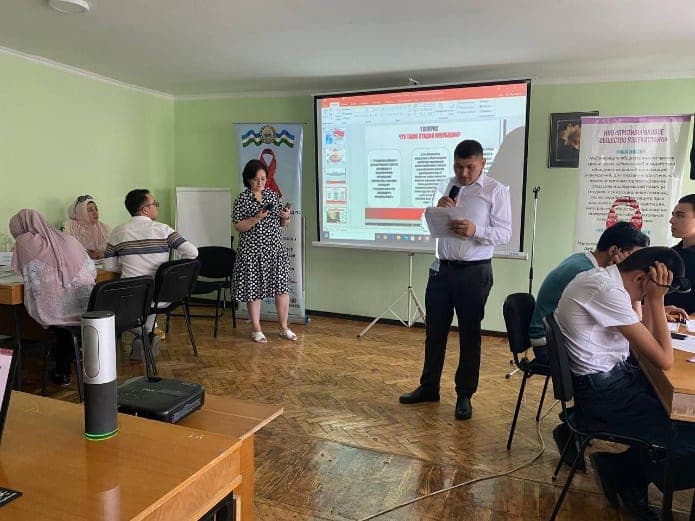
Our first quiz on HIV prevention, held at our office in 2022 © IMKONIYAT 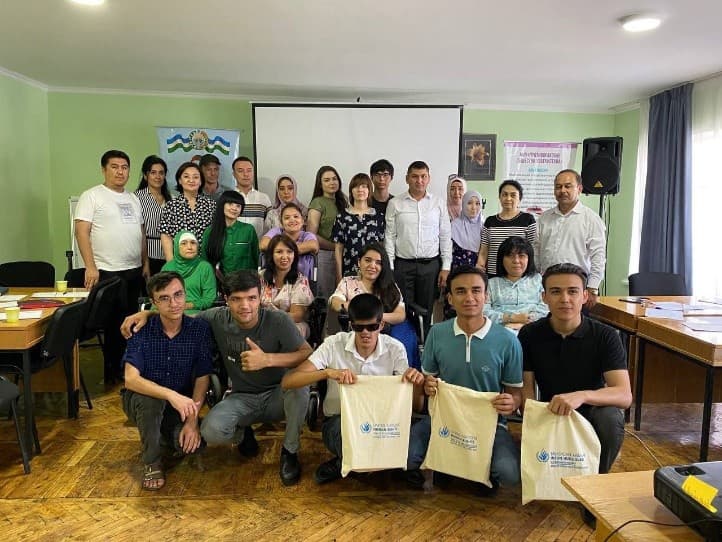
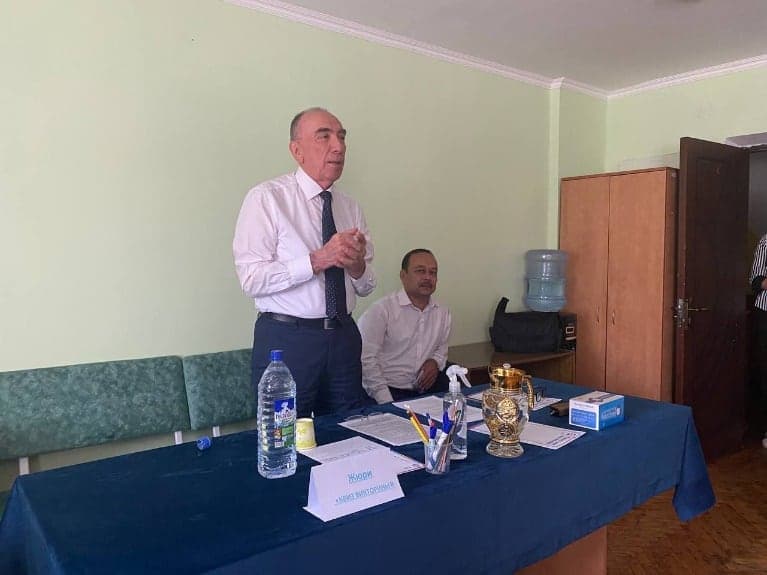
A group photograph of education-event participants · 2022 report. © IMKONIYAT
Training seminar, 2022 © IMKONIYAT 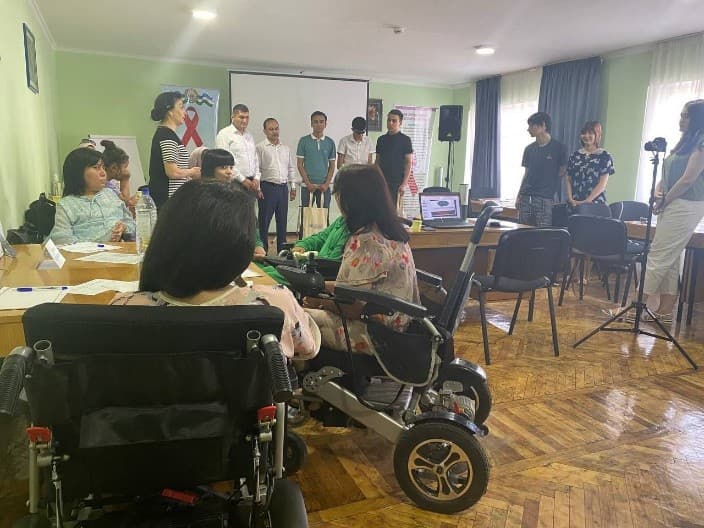
Participants at an educational session · 2022 report. © IMKONIYAT
2.6.2. A memorial event was held to mark International AIDS Candlelight Memorial Day.
The memorial event honoured people who had died as a result of HIV/AIDS, remembering their lives and place in society. Information activities addressed HIV prevention, treatment options, preventing stigma and discrimination, and supporting people living with HIV. Staff, partners and interested stakeholders participated.
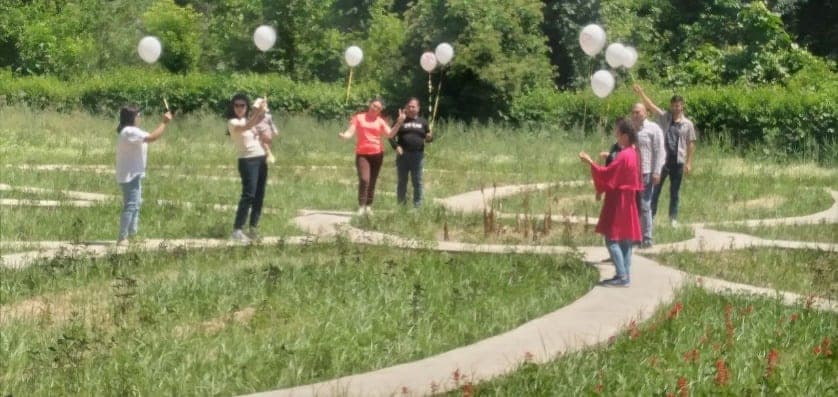
A remembrance event for the International AIDS Candlelight Memorial, 2022 © IMKONIYAT 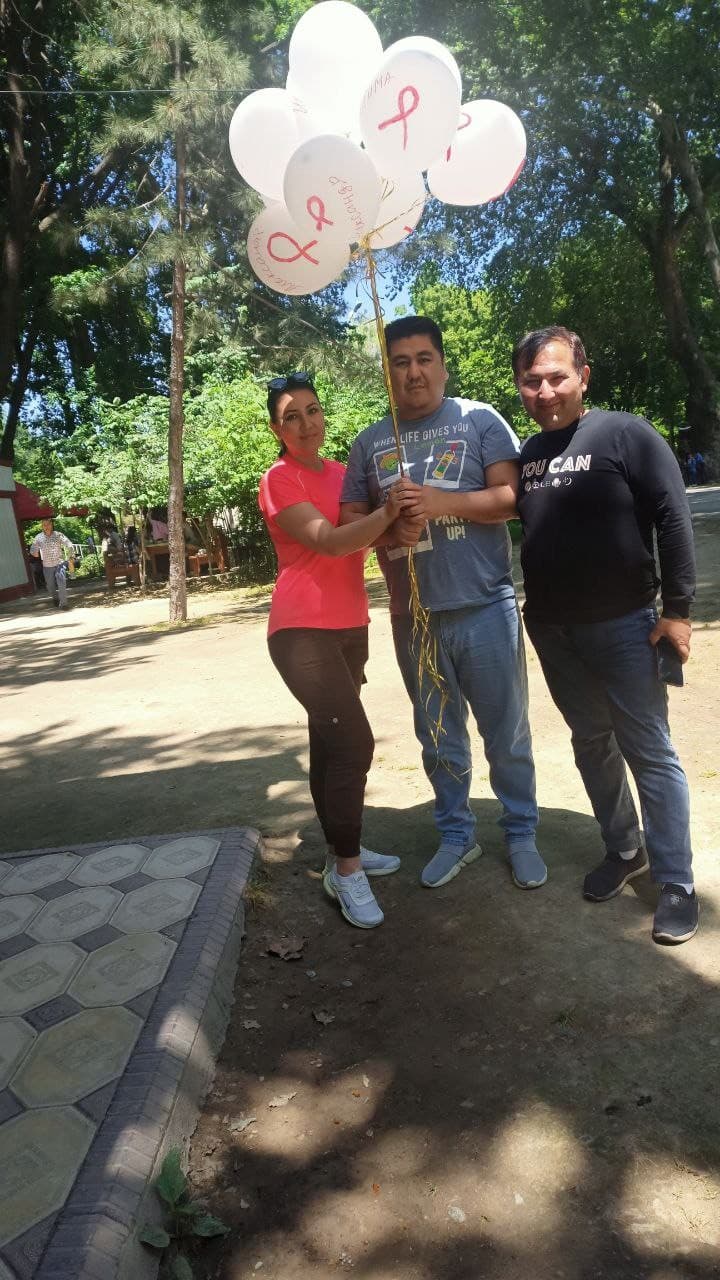
Participants at a remembrance event · 2022 report. © IMKONIYAT
2.6.3. Expert participation in the “Zarb” talk show on infectious disease prevention
The organisation’s specialists participated in the “Zarb” television talk show as experts on infectious diseases, including HIV prevention, disease prevention, early detection and treatment, contributing medical and socially relevant information for the public.
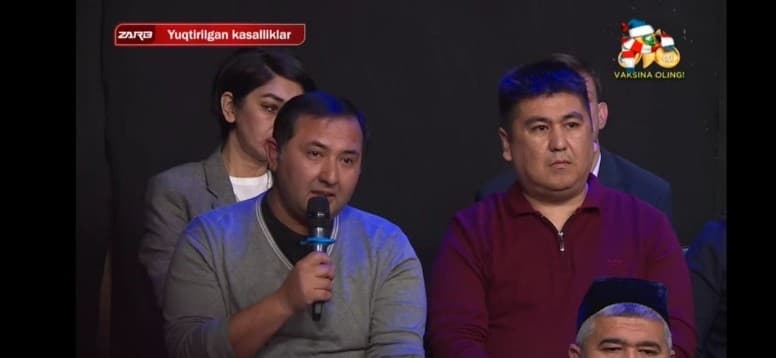
A still from a discussion on the Zarb programme · 2022 report. © IMKONIYAT 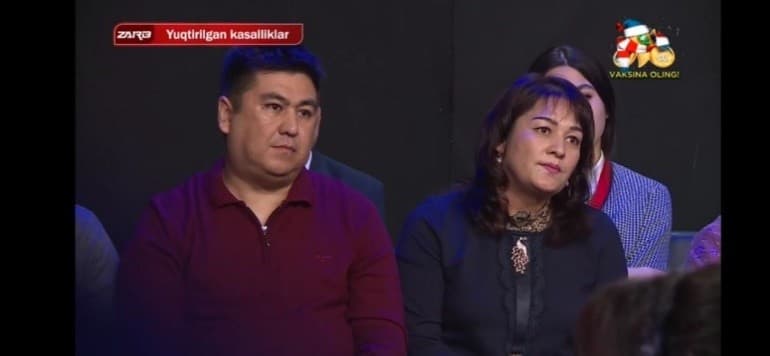
A speaker on the Zarb programme · 2022 report. © IMKONIYAT
2.7. Staff capacity building
In 2022, particular attention was given to staff professional development.
Activities were organised regularly, including:
- training;
- seminars;
- experience-sharing events;
- learning new approaches;
- distance-learning sessions.
These activities supported continuous learning.
Weekly webinars brought together multidisciplinary team staff from different regions of Uzbekistan. Conferences addressed current project issues, shared experience and provided staff training seminars.
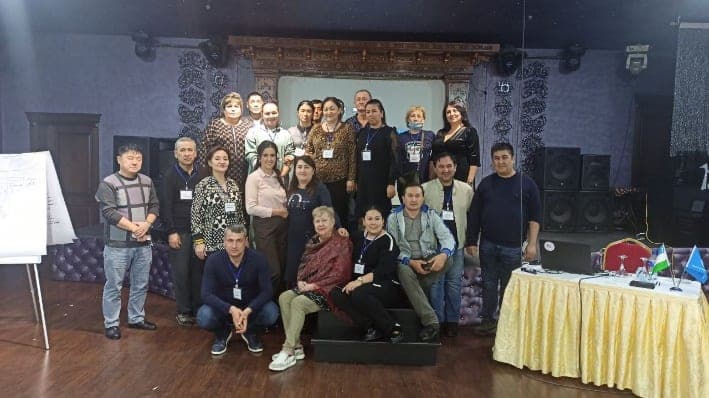
Staff training, 2022 © IMKONIYAT 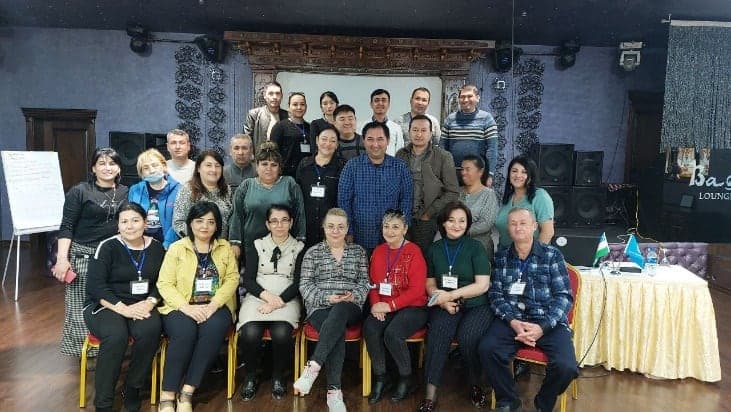
Staff development, 2022 © IMKONIYAT
In 2022, staff also developed their skills at the NGO School organised by the “Yuksalish” Nationwide Movement to strengthen the organisational capacity of civil society and NGOs.
Institutional capacity and human resources
In 2022, the organisation employed a total of 150 staff.
Peer consultants’ participation helped bring services closer to the community, establish trusting communication, share experience and support adherence to treatment among people living with HIV.
Staff regularly attended training and seminars, developing project management, community work and professional skills and learning new approaches.
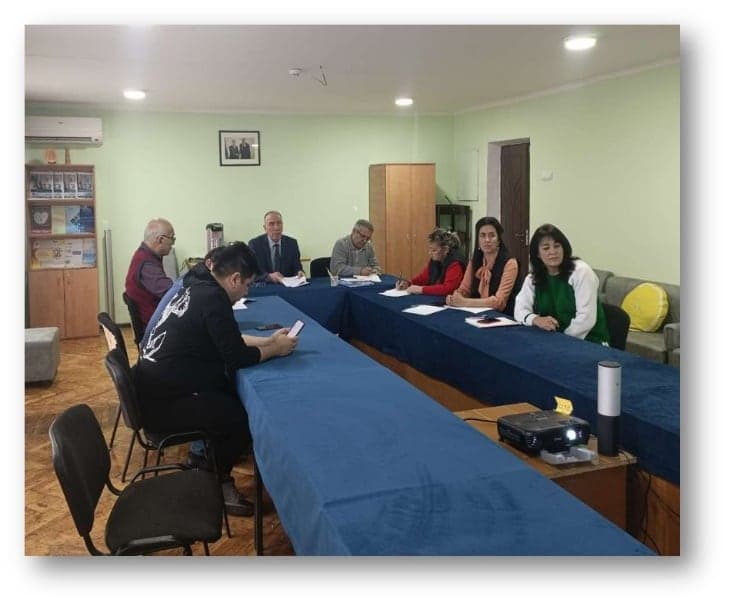
Organisational meeting, 2022 © IMKONIYAT 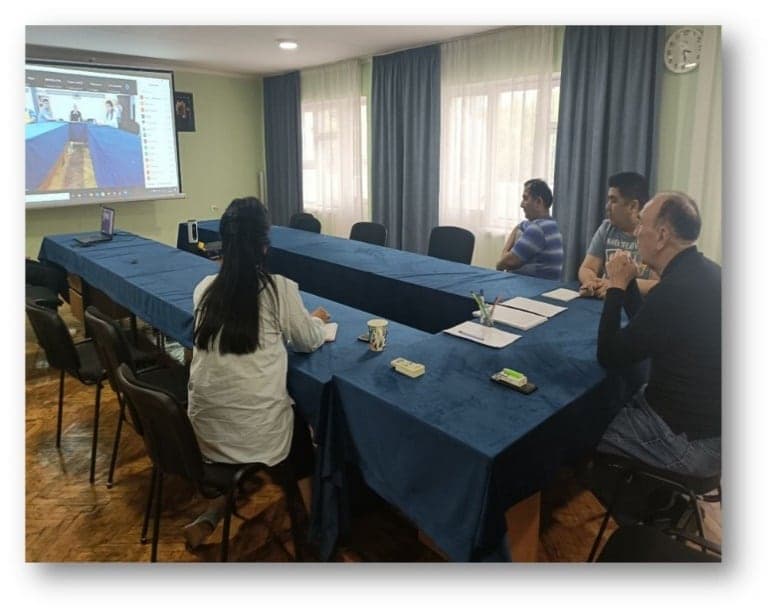
Working meeting, 2022 © IMKONIYAT
Strategic cooperation
In 2022, the organisation worked with government and international organisations, healthcare institutions and civil society bodies.
Key partners included:
- the Ministry of Health of the Republic of Uzbekistan;
- the Republican AIDS Centre;
- all regional AIDS centres;
- the Research Institute of Virology of Uzbekistan’s Ministry of Health;
- the Zangiota specialised infectious diseases hospital;
- UNICEF;
- UNAIDS;
- the World Health Organization;
- the “Yuksalish” Nationwide Movement;
- other NGOs;
- regional administrations of Uzbekistan;
- the Association of Disabled People of Uzbekistan;
- pharmaceutical companies.
Partnerships helped develop medical and social services, support people living with HIV, build staff capacity, organise educational events and expand community-based services.
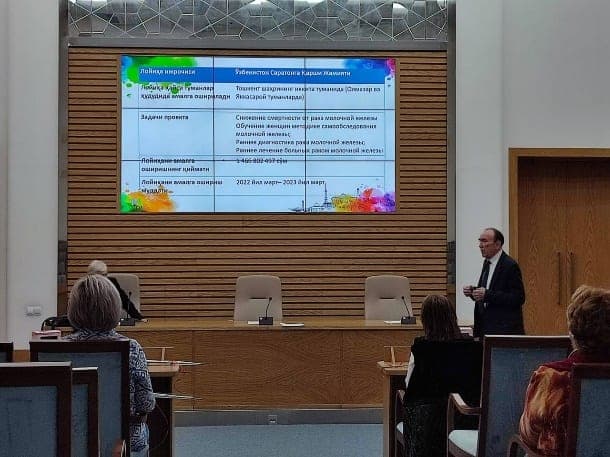
A meeting with partners, 2022 © IMKONIYAT 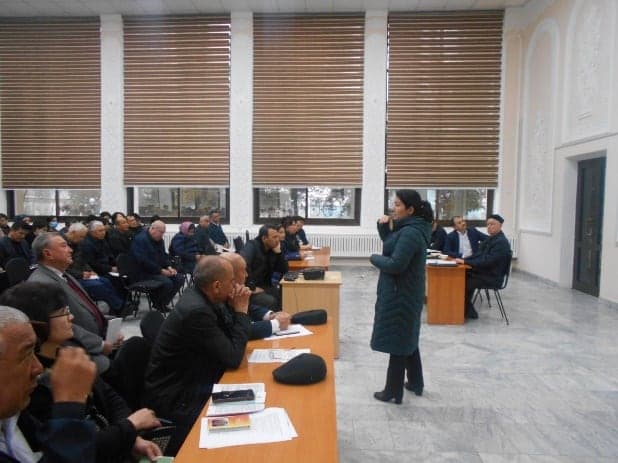
Training seminar, 2022 © IMKONIYAT
The significance of activity in 2022
2022 was a period of expanding integrated community-based services for people living with HIV and ensuring continuity of existing services.
Mobile and stationary multidisciplinary teams brought medical, psychological, social and legal services closer to people living with HIV. Particular attention was given to people whose health, financial or family circumstances, migration or stigma restricted their access to AIDS centres.
Peer consultants and mutual-help groups were important resources for expanding mutual support, strengthening adherence to treatment and reducing social isolation among people living with HIV.
Developing psychological assistance, mental health support for children and adolescents, information activities and interactive HIV prevention events strengthened the integrated nature of the organisation’s work.
Conclusion
2022 was a year of integrated support for people living with HIV, developing palliative and psychological care, strengthening ART adherence and expanding community-based services.
An approach combining medical, psychological, social and legal services enabled integrated support for the different needs of people living with HIV.
In 2022, important steps were also taken to build staff capacity, form a volunteer team, develop HIV information and education materials, and strengthen cooperation with civil society organisations.
Overall, the activities of 2022 demonstrated the organisation’s practical contribution to supporting people living with HIV in Uzbekistan, expanding access to services, strengthening treatment adherence and enabling active community participation.