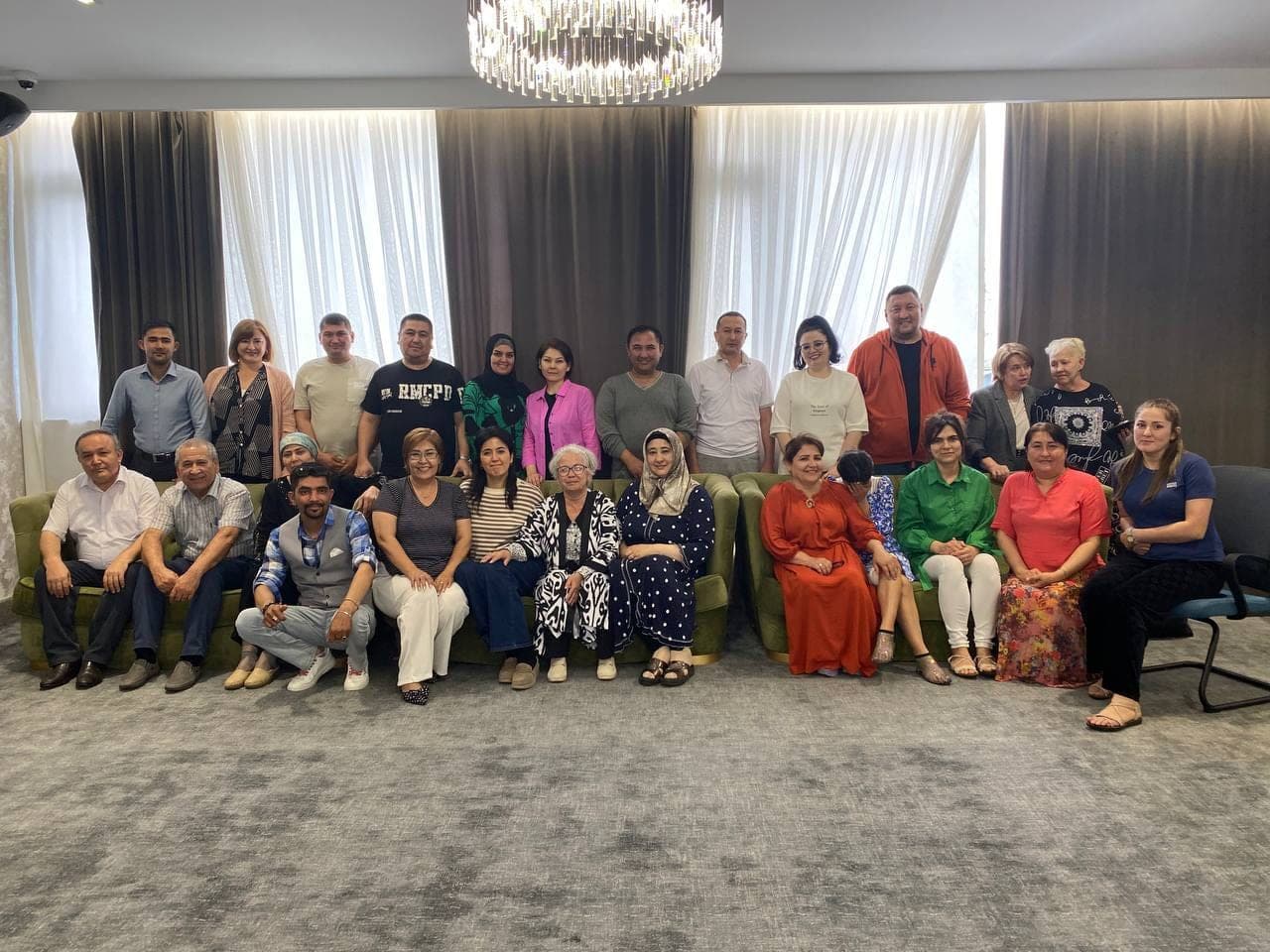
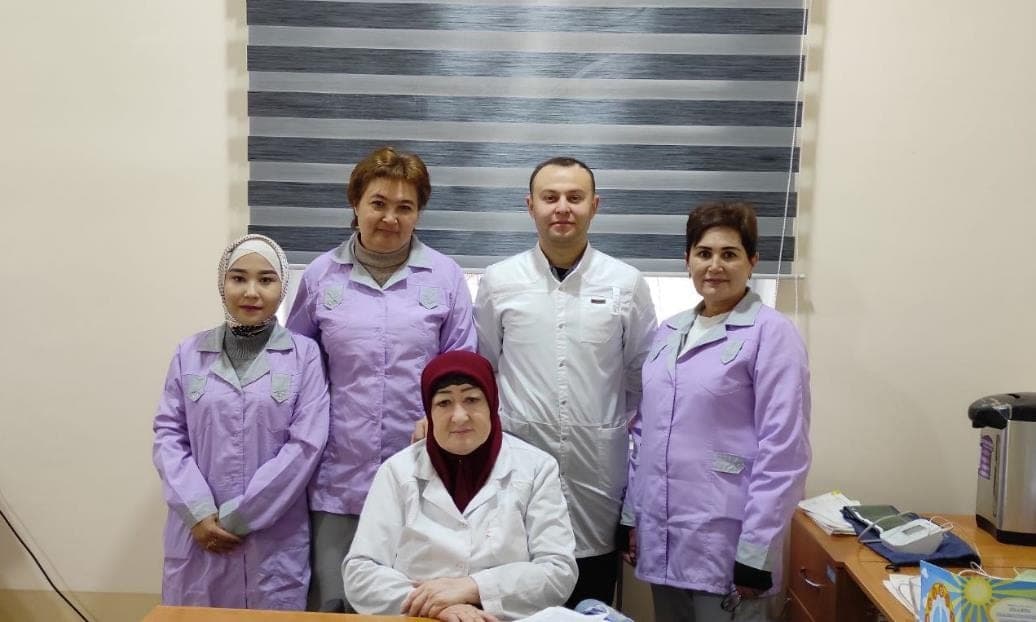
Overview of activity in 2025
In 2025, IMKONIYAT continued to support people living with HIV, expand access to HIV prevention and treatment, develop palliative and psychosocial care, reduce stigma and discrimination, and increase women’s and young people’s social participation.
Alongside long-term programmes, the organisation developed new partnerships, launched new projects and strengthened its community-based service model.
The main areas of activity in 2025 included:
- palliative, psychological and social assistance for people living with HIV;
- support for starting ART and adhering to treatment;
- organising mutual-help and peer support groups;
- supporting migrants’ and their families’ access to HIV services;
- HIV prevention education for young people and the public;
- activities to reduce stigma and discrimination;
- media literacy and empowerment for women living with HIV;
- developing civic participation and women’s leadership;
- expanding strategic cooperation with healthcare and civil society organisations.
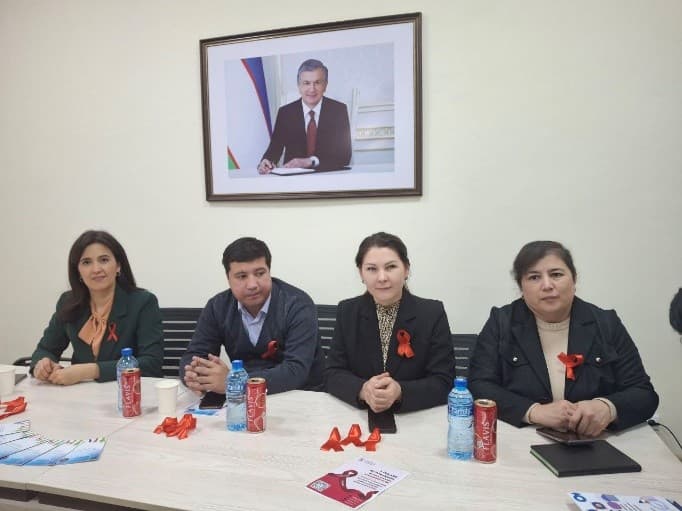
Main projects implemented in 2025
2.1. Global Fund project
Project title:
“Strengthening efforts to achieve the 90‑90‑90 and STOP-TB targets in the Republic of Uzbekistan, with particular attention to the most vulnerable populations”.
Implementation period: from 2011 to the present.
Main focus: palliative and integrated care for people living with HIV, community mobilisation and increasing adherence to antiretroviral therapy (ART).
Project activities in 2025:
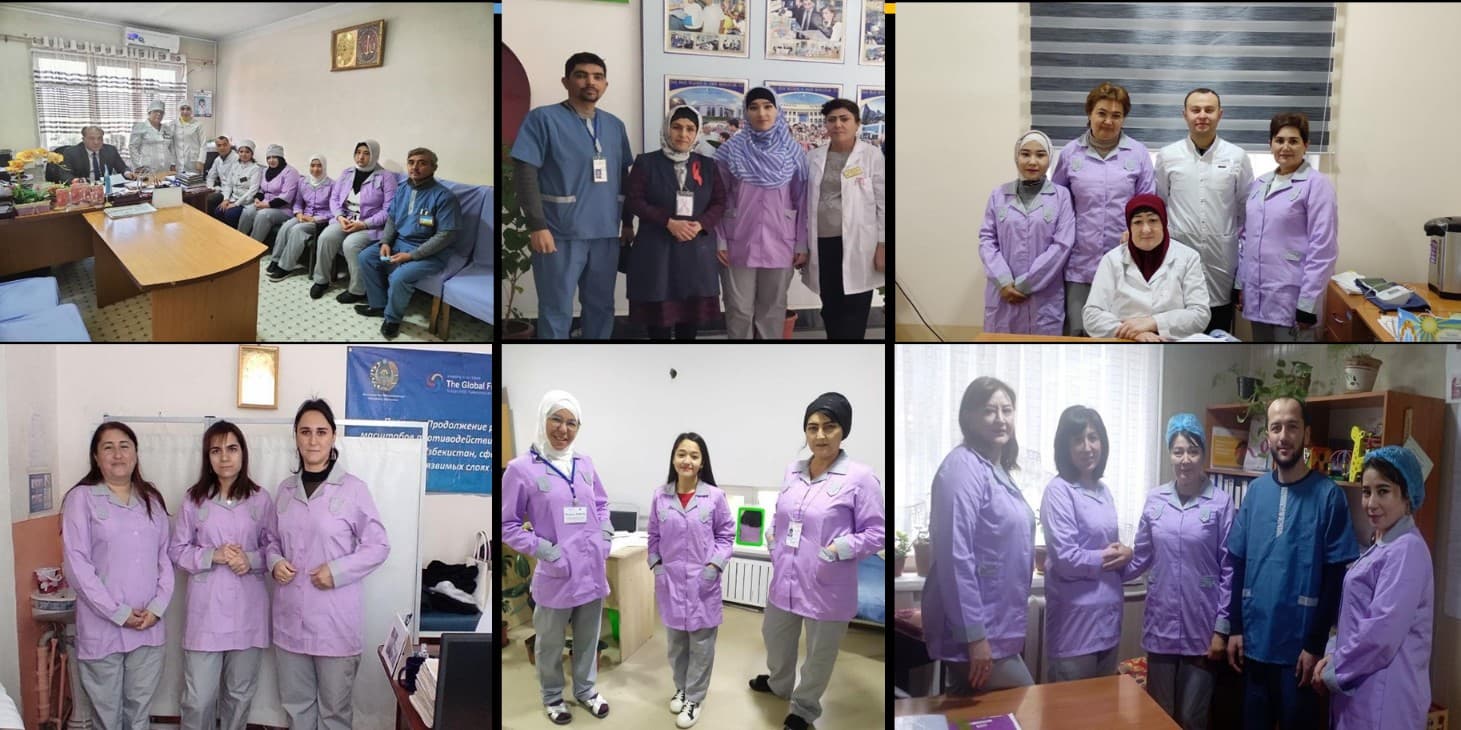
14 multidisciplinary teams operated at AIDS centres in Tashkent city and all regions of Uzbekistan.
Teams included a coordinator, infectious-disease physician, psychologist and peer consultants trained from among people living with HIV.
Alongside medical and psychological care, teams provided social support, referrals and accompaniment to healthcare institutions, help restoring documents, and assistance with applying for pensions and benefits.
To support uninterrupted treatment during migration, assistance was provided with delivering ART to internal and international migrants living with HIV.
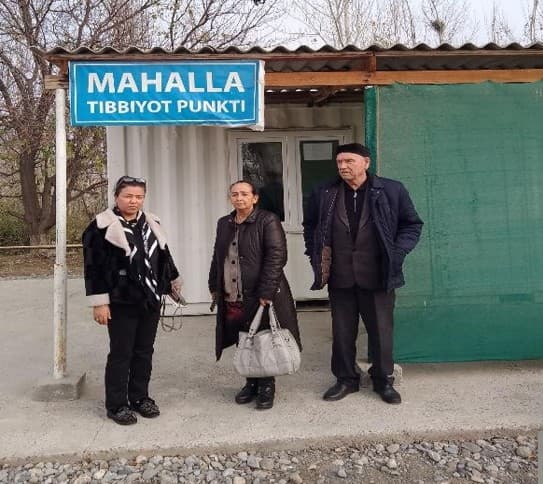
A group photograph outside a medical facility · 2025 report. © IMKONIYAT 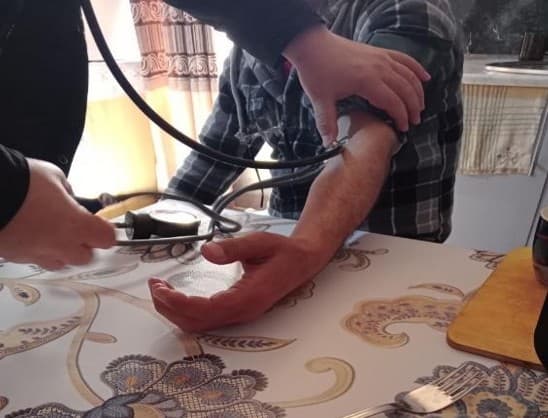
A detail of blood-pressure measurement · The 2024 and 2025 reports. © IMKONIYAT
2025 results
Over the year, a total of:
- 24 283 visits to multidisciplinary team services were recorded.
These included:
- 12 899 people: primary clients;
- 11 384 repeat visits;
- 6 904 men;
- 5 995 women;
- 2 583 young people under 24;
- 72 children.
With the assistance of team staff:
- 1 996 people started ART for the first time;
- 1 104 people restarted ART.
Mutual-help groups
- 354 mutual-help group sessions were held.
They involved:
- 1 982 people living with HIV.
Groups enabled communication with people with similar experiences, consideration of problems from different perspectives, experience sharing, and psychological and social support from peers.
Groups helped participants acquire new knowledge and practical skills, reduce social isolation and strengthen solidarity.
The project’s significance in 2025
The long-term Global Fund-supported programme played an important role in developing and maintaining an integrated community-based care model for people living with HIV in Uzbekistan.
2.2. EU Tabassum (Smile) project
Title: “EU Tabassum (Smile): media skills to promote gender equality and support young women in Uzbekistan”.
Implementation period: April–September 2025.
Partner: Centre for Modern Journalism.
Aim: to increase media literacy among girls and young women living with HIV, strengthen their voice and social participation, and help reduce stigma and discrimination towards women living with HIV.
Project activities
Training seminars were organised for girls and women living with HIV.
Seminars addressed:
- media literacy;
- online safety;
- addressing stigma and discrimination;
- creating media content;
- dispelling myths about HIV;
- developing positive media portrayals;
- equality and solidarity.
These topics were discussed during the seminars.
Sessions with two experienced trainers gave participants practical skills in producing media content.
Content creation: participants independently identified the main topics for their media materials.
As a result, 10 scripts were developed.
The scripts were used to create culturally appropriate videos, animations and stories in Uzbek with Russian subtitles.
Experts reviewed the materials, which were then submitted for distribution on social media.
2025 results
- increased media literacy among women and girls living with HIV;
- developed practical media production skills;
- created content to reduce HIV misconceptions;
- prepared materials promoting positive portrayals of women living with HIV;
- strengthened participants’ connections within support groups.
2.3. SOMEC project
Title: “Samarkand HIV Epidemic Control Model (SOMEC)”.
Implementation period: 1 August 2025–31 July 2026.
Aim: sustainable control of the HIV epidemic in Samarkand region by expanding prevention, improving testing access, supporting early ART initiation in newly identified cases, and reducing stigma and discrimination towards people living with HIV.
Activities and results in 2025: from August, the project implemented HIV prevention, testing referrals, information and education, and activities addressing stigma and discrimination. The team developed and distributed HIV information materials and raised awareness through social media, closed groups and community representatives.
Online counselling, information materials and referral mechanisms encouraged partners and relatives of people living with HIV to get tested. HIV prevention, treatment, stigma and discrimination were explained to the public and target groups.
On 27 October 2025, a “Stigma and discrimination” training seminar was organised at Camilla Med clinic in Samarkand with Istiqbolli avlod NGO, IMKONIYAT and the Samarkand Regional AIDS Centre. It increased HIV-related stigma and discrimination knowledge among healthcare and outreach workers, psychologists, NGO representatives, AIDS centre specialists and community representatives. Participants discussed stigma, discrimination, self-stigma, the effects of stigma on treatment and service access, and ways to reduce it. Practical situations and real work cases supported experience sharing. The event strengthened specialists’ competence in ethical, non-discriminatory and client-centred work with people living with HIV.
On 28 November 2025, a youth HIV/AIDS quiz was organised in Samarkand with IMKONIYAT, MDK, ICAP staff, the Youth Union and Samarkand State Medical University. Students learned reliable HIV information, discussed prevention and treatment, considered the consequences of stigma and discrimination, and developed knowledge and collaboration through team tasks.
By the end of 2025, SOMEC had laid the groundwork for increasing demand for HIV prevention and testing, raising public awareness, and strengthening cooperation and community mechanisms to reduce stigma and discrimination in Samarkand region. Activities engaged medical and social service specialists, young people and community representatives, contributing to early service access, prevention and a non-discriminatory service environment.
Young people and quizzes · 2025
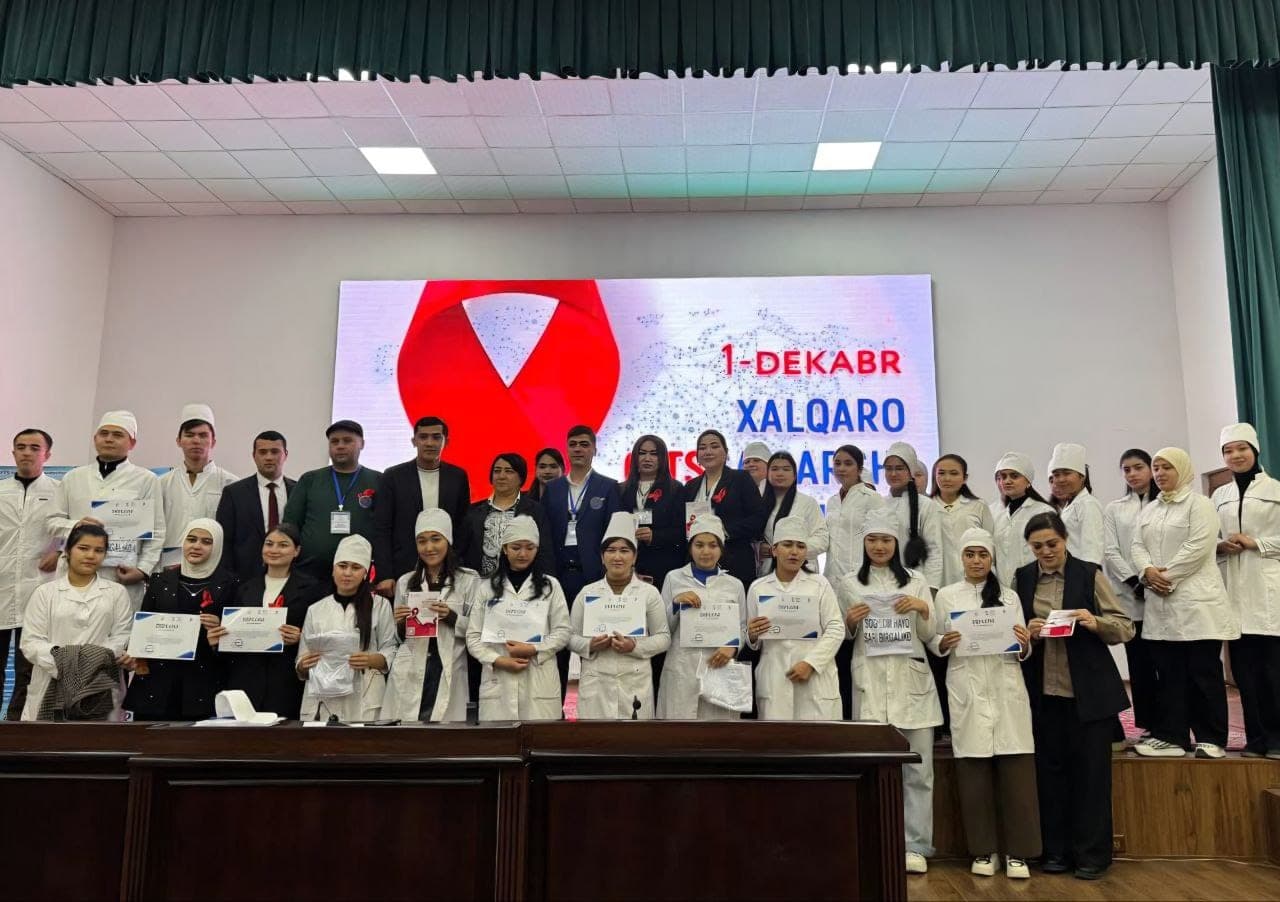
An HIV/AIDS quiz at Samarkand State Medical University, 28 November 2025 © IMKONIYAT 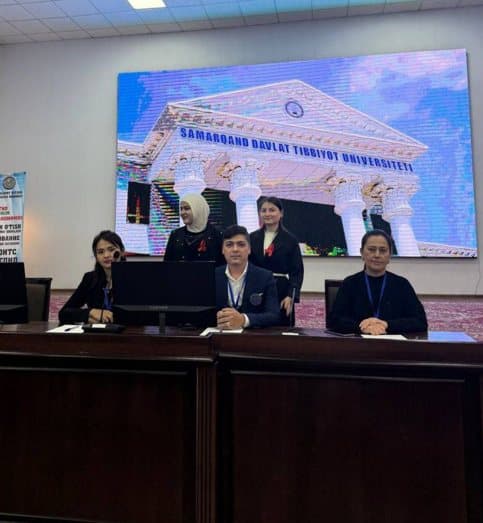
Quiz · Samarkand, 28 November 2025 © IMKONIYAT
2.4. HIV prevention and education for young people
Focus: increasing HIV/AIDS awareness among young people and reducing stigma-related misconceptions.
Period: throughout 2025, particularly around World AIDS Day on 1 December.
Partners:
- the “Oltin Qanot” volunteer movement;
- AIDS centres in all regions of Uzbekistan;
- educational institutions and other partners.
Work implemented in 2025: Initially, 14 regional events were planned. Additional requests from regions led to 16 events being held across all regions of Uzbekistan.
The main format was HIV/AIDS quizzes.
Aims:
- increasing students’ and young people’s HIV knowledge;
- expanding awareness of prevention and treatment options;
- promoting healthy behaviour;
- reducing stigma and discrimination;
- encouraging young people to take responsibility for health.
2025 result:
Events engaged young people through an interactive format, reinforced reliable HIV knowledge and developed tolerant attitudes towards people living with HIV.
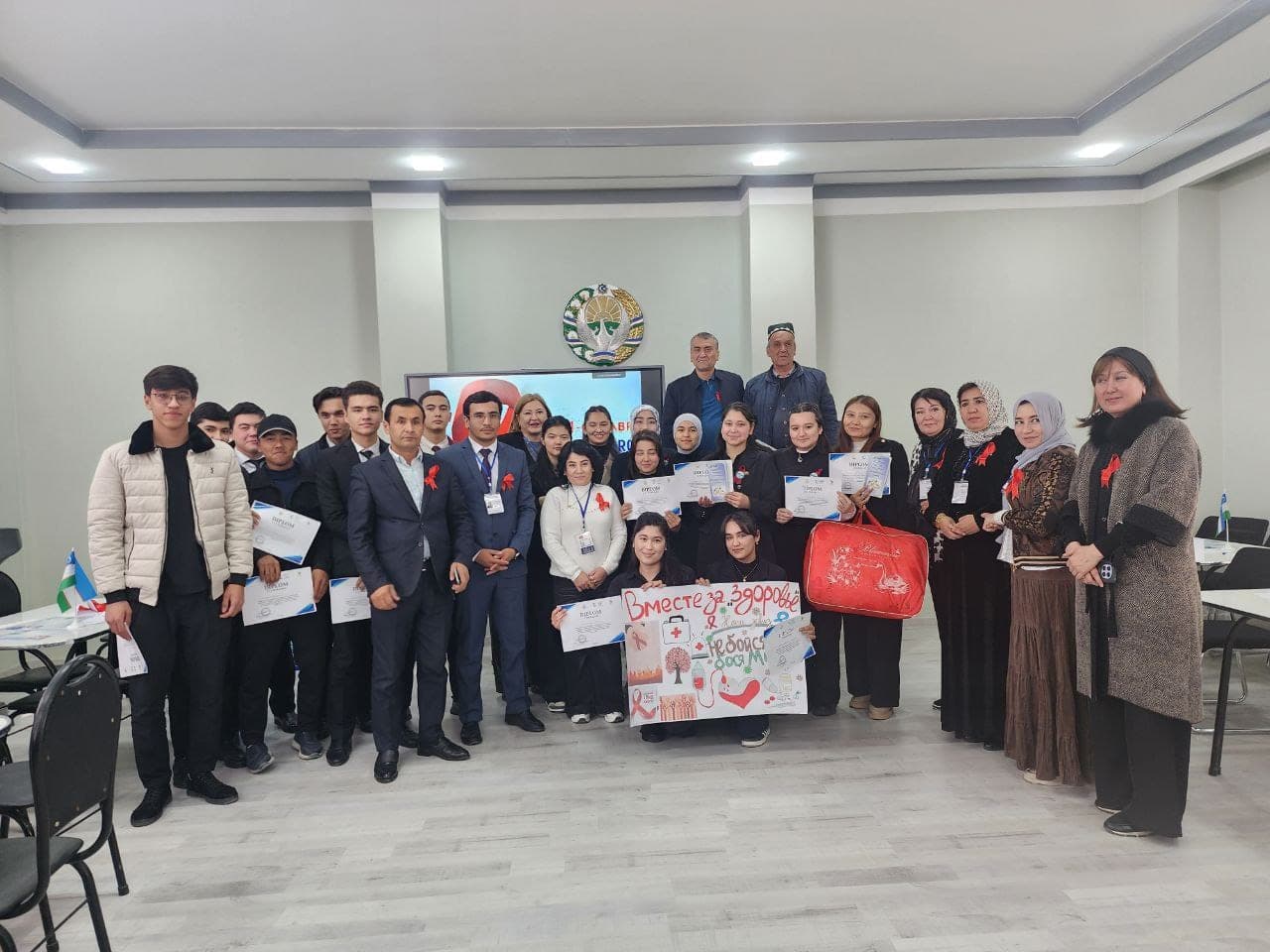
Participants of a World AIDS Day quiz, 2025 © IMKONIYAT 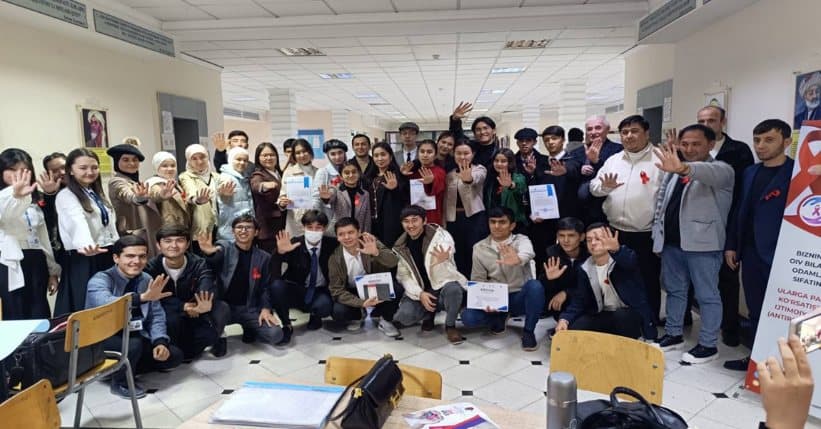
Youth quiz · 2025 © IMKONIYAT
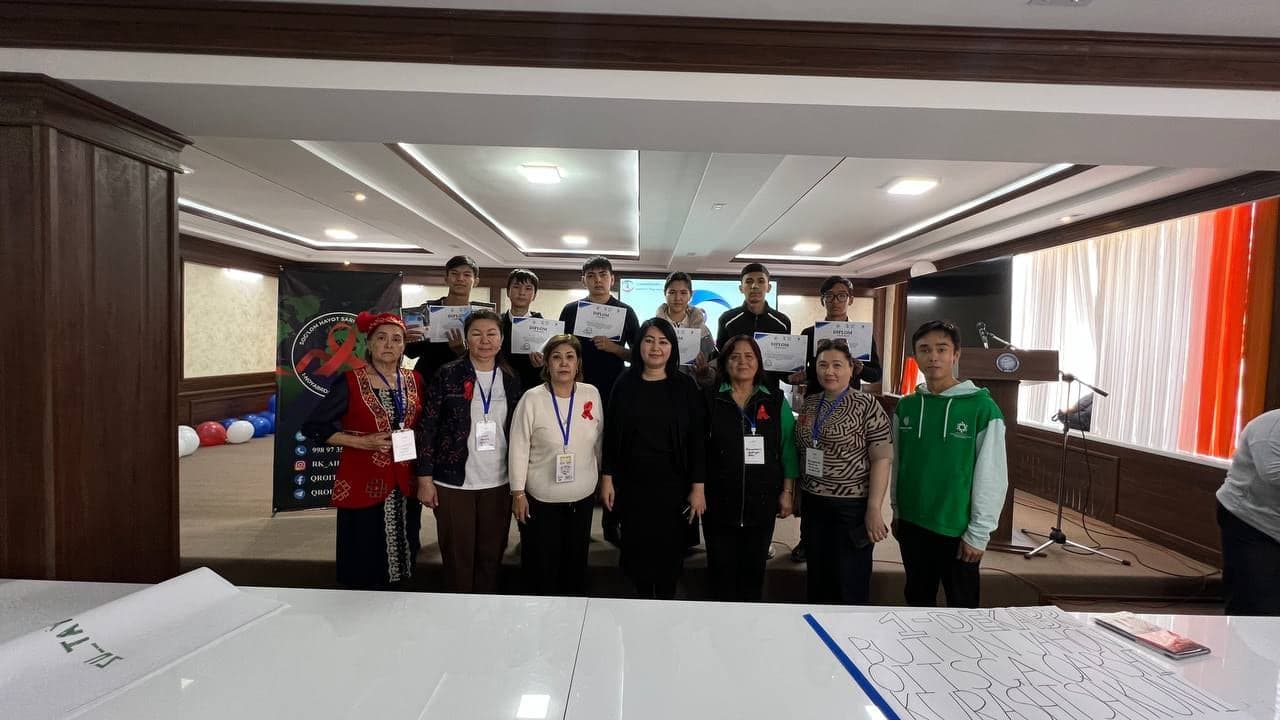
Youth quiz, 2025 © IMKONIYAT 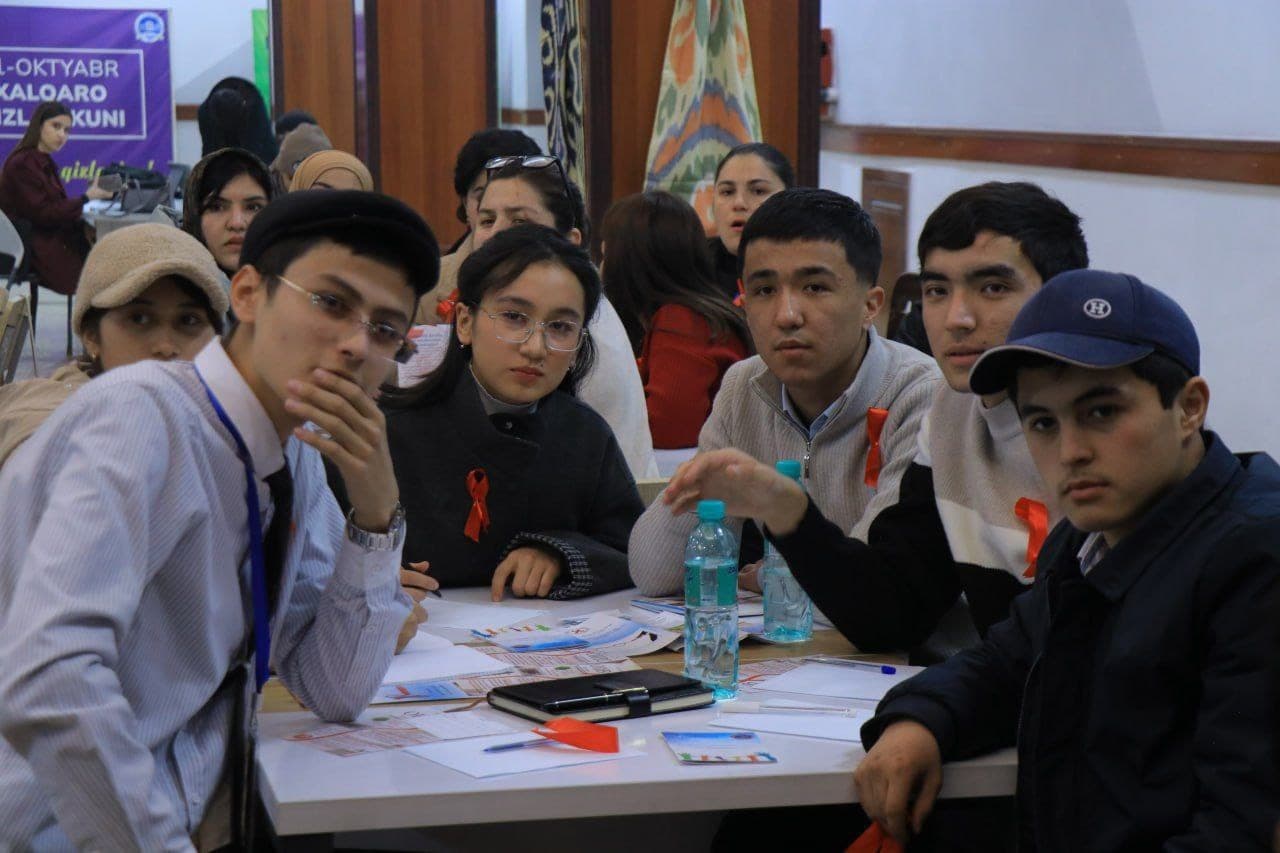
A team task at a quiz, 2025 © IMKONIYAT
2.5. Women’s initiatives and civic participation
Project: “Increasing civic participation through the development of women’s initiatives in Uzbekistan”.
Partner organisation: Taraqqiyot Centre.
Activities in 2025:
IMKONIYAT was among the NGOs selected for a project developing women’s leadership and civic participation.
26 September 2025 — Fergana
An event to establish a women’s network was organised in Fergana.
The network included:
20 NGOs and 20 initiative groups.
The network aimed to develop women’s leadership, expand civic participation and support organisations’ joint initiatives.
26–29 November 2025 — Tashkent
Training on developing women’s initiatives was held in Tashkent for NGOs and initiative groups.
Participants received practical assistance in developing their initiatives and projects.
At the end of the training, NGOs and initiative groups presented projects planned for future joint implementation.
2025 result:
This work strengthened IMKONIYAT’s ability to connect health issues with civic participation, women’s leadership and community empowerment.
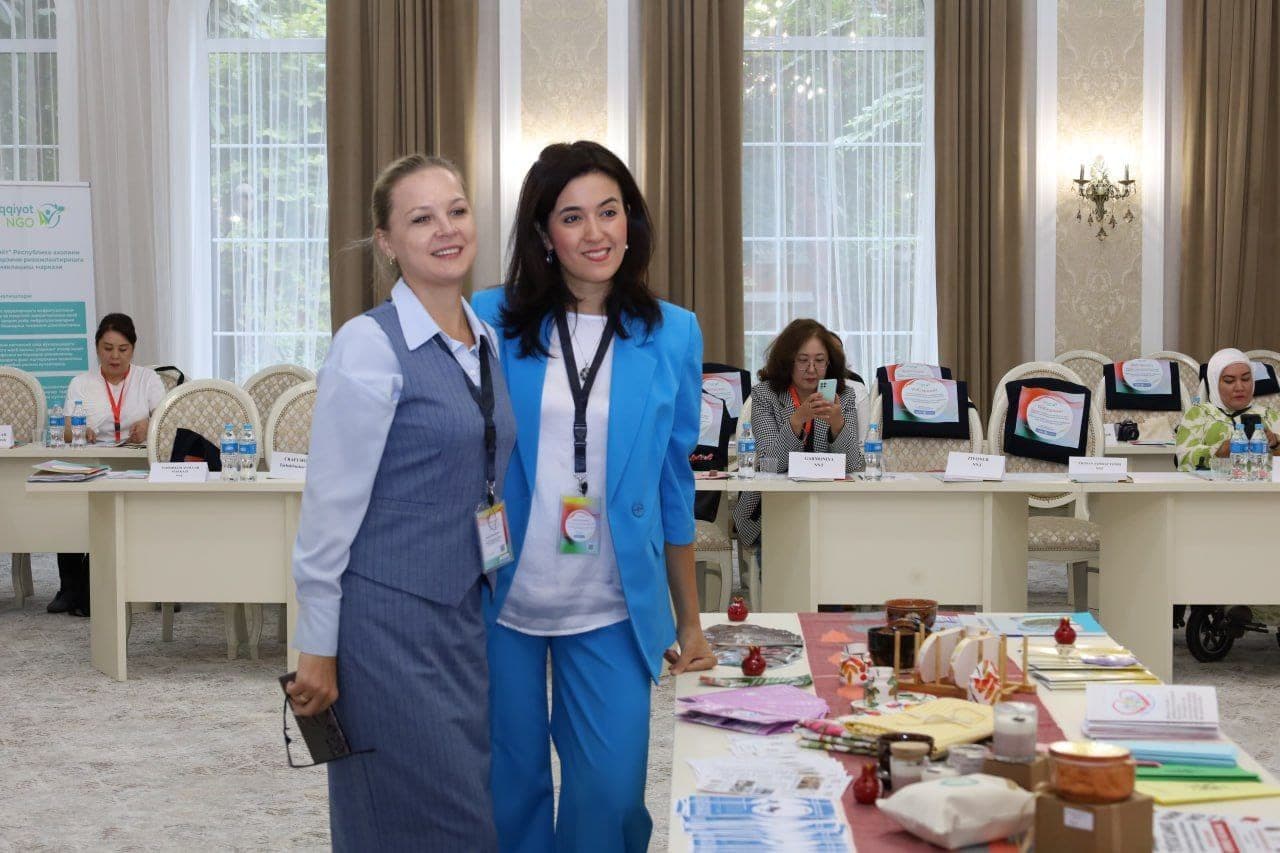
At the women’s network meeting in Fergana, 26 September 2025 © IMKONIYAT 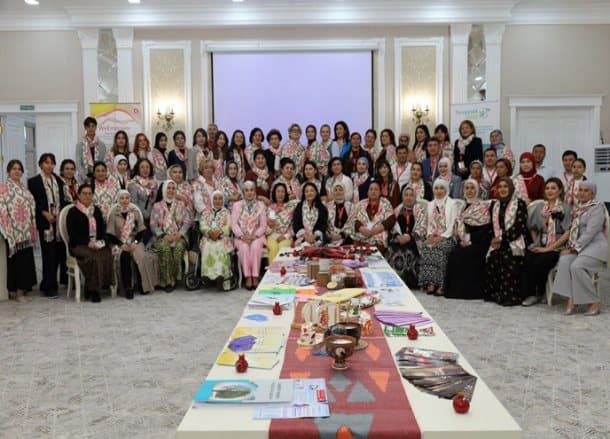
Women’s initiatives training · Tashkent, 26–29 November 2025 © IMKONIYAT
Activities addressing discrimination and gender-based violence
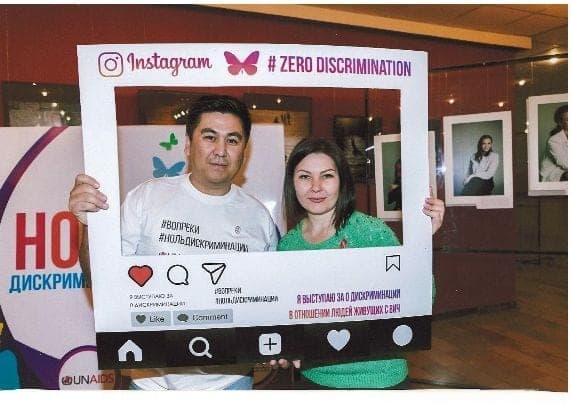
Each year, to mark Zero Discrimination Day on 1 March, the organisation actively participates in public awareness activities to prevent discrimination and stigma.
The organisation also participates actively each year in the international “16 Days of Activism against Gender-Based Violence” campaign from 25 November to 10 December. Activities focus on preventing violence, supporting survivors, and increasing public legal and social awareness.
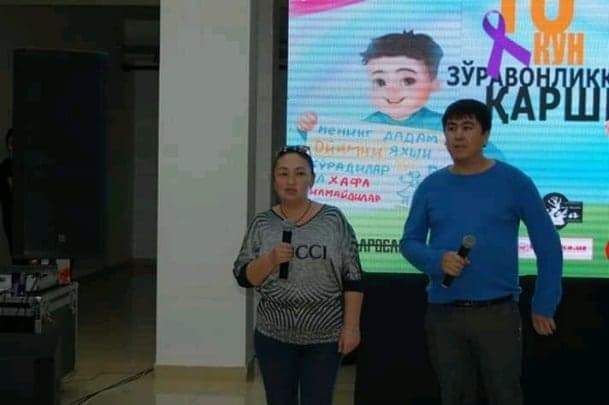
Campaign against gender violence, 2025 © IMKONIYAT 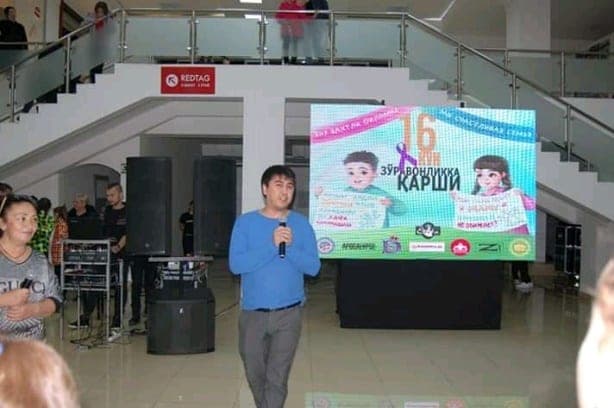
An event of the “16 Days of Activism against Gender-Based Violence” campaign, 2025 © IMKONIYAT
Strategic cooperation in 2025
Meeting with the World Health Organization
27 January 2025
IMKONIYAT representatives met with representatives of the WHO mission from Geneva.
The organisation presented its work on palliative care for people living with HIV, support for migrants and HIV awareness.
Particular attention was given to developing high-quality, universally accessible palliative care in Uzbekistan, mobilising community resources and expanding international cooperation.
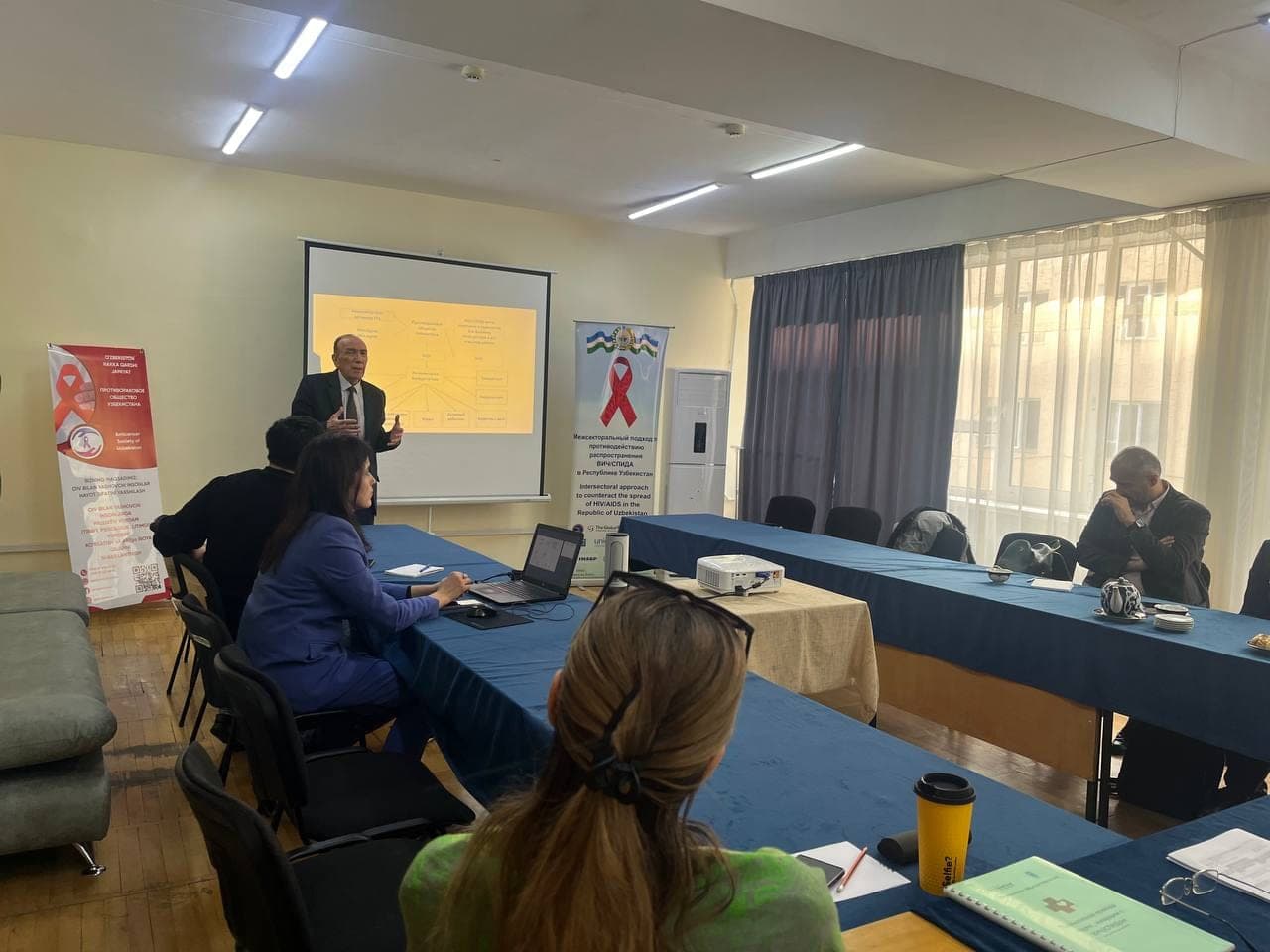
A meeting with representatives of the World Health Organization mission from Geneva, 27 January 2025 © IMKONIYAT 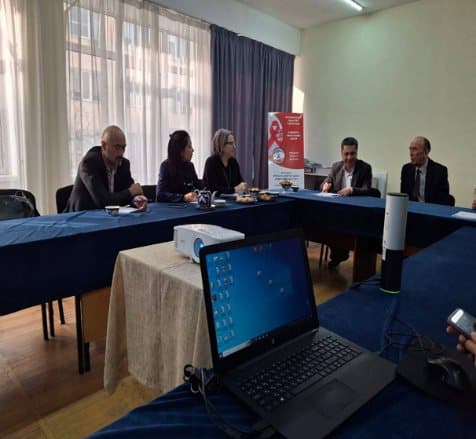
Meeting with WHO representatives · 27 January 2025 © IMKONIYAT
Meeting with UNODC
26 February 2025
A meeting with Miloš Stojanović, regional health adviser at the United Nations Office on Drugs and Crime (UNODC), was held at IMKONIYAT’s office.
Participants discussed health issues, shared experience and considered opportunities for future cooperation.
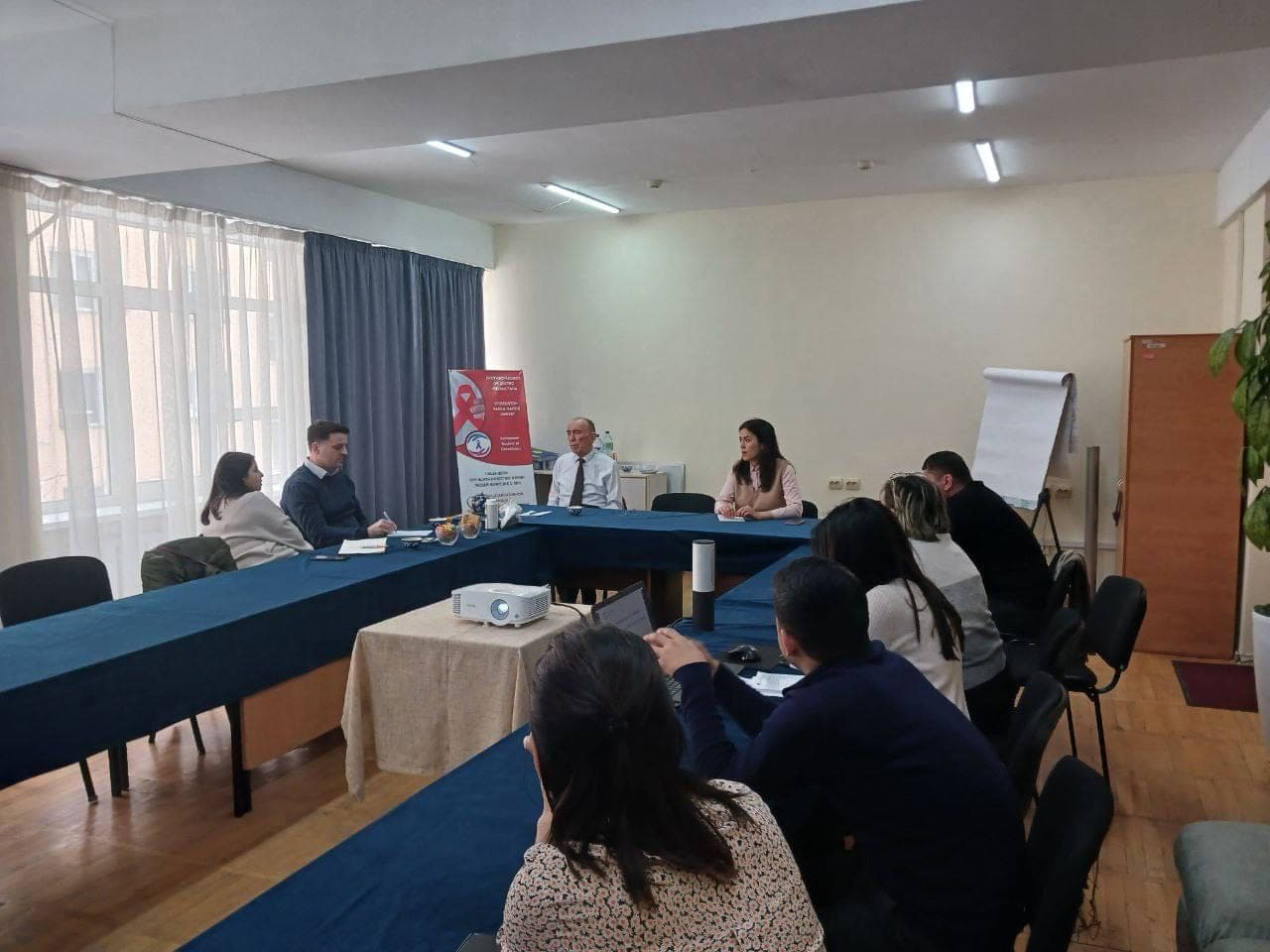
A meeting with the UNODC regional health adviser at the IMKONIYAT office, 26 February 2025 © IMKONIYAT 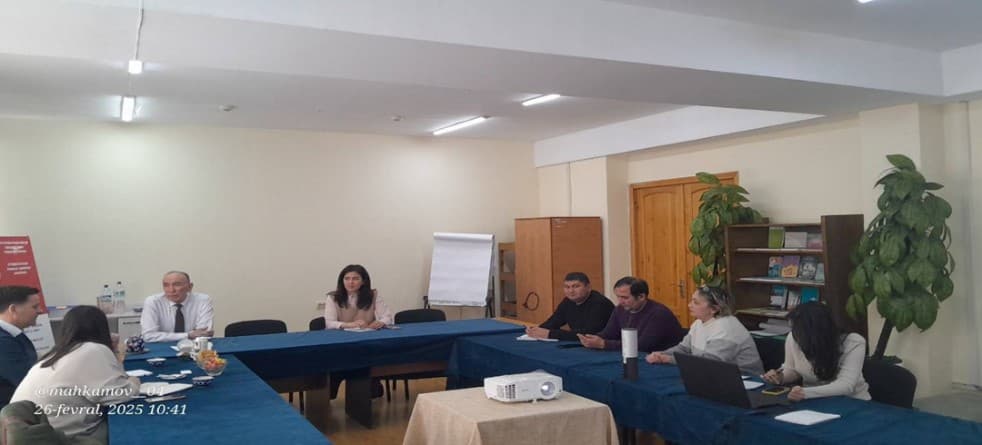
Participants at the UNODC meeting · 2025 report. © IMKONIYAT
Cooperation memorandum
1 August 2025
A cooperation memorandum was signed between IMKONIYAT, the Tashkent Region NGO of the Association of Physicians of Uzbekistan, and the Tashkent Region branch of the Uzbekistan Anticancer Society.
Cooperation covered:
- protecting public health;
- joint projects;
- seminars and training;
- health promotion campaigns;
- public and educational events.
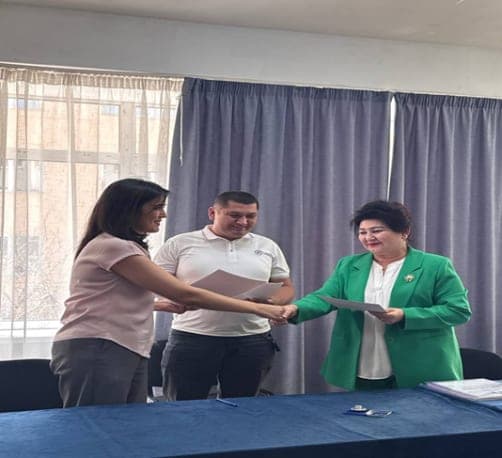
Signing the cooperation memorandum with the Tashkent region branches of the Physicians’ Association of Uzbekistan and of the Society against Cancer, 1 August 2025 © IMKONIYAT 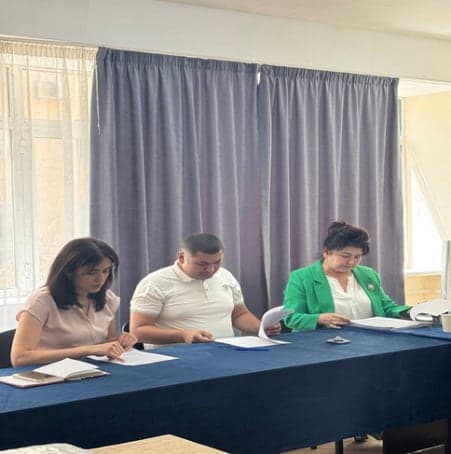
Cooperation memorandum, 1 August 2025 © IMKONIYAT
Institutional development
In 2025, attention was given to developing the organisation’s internal capacity.
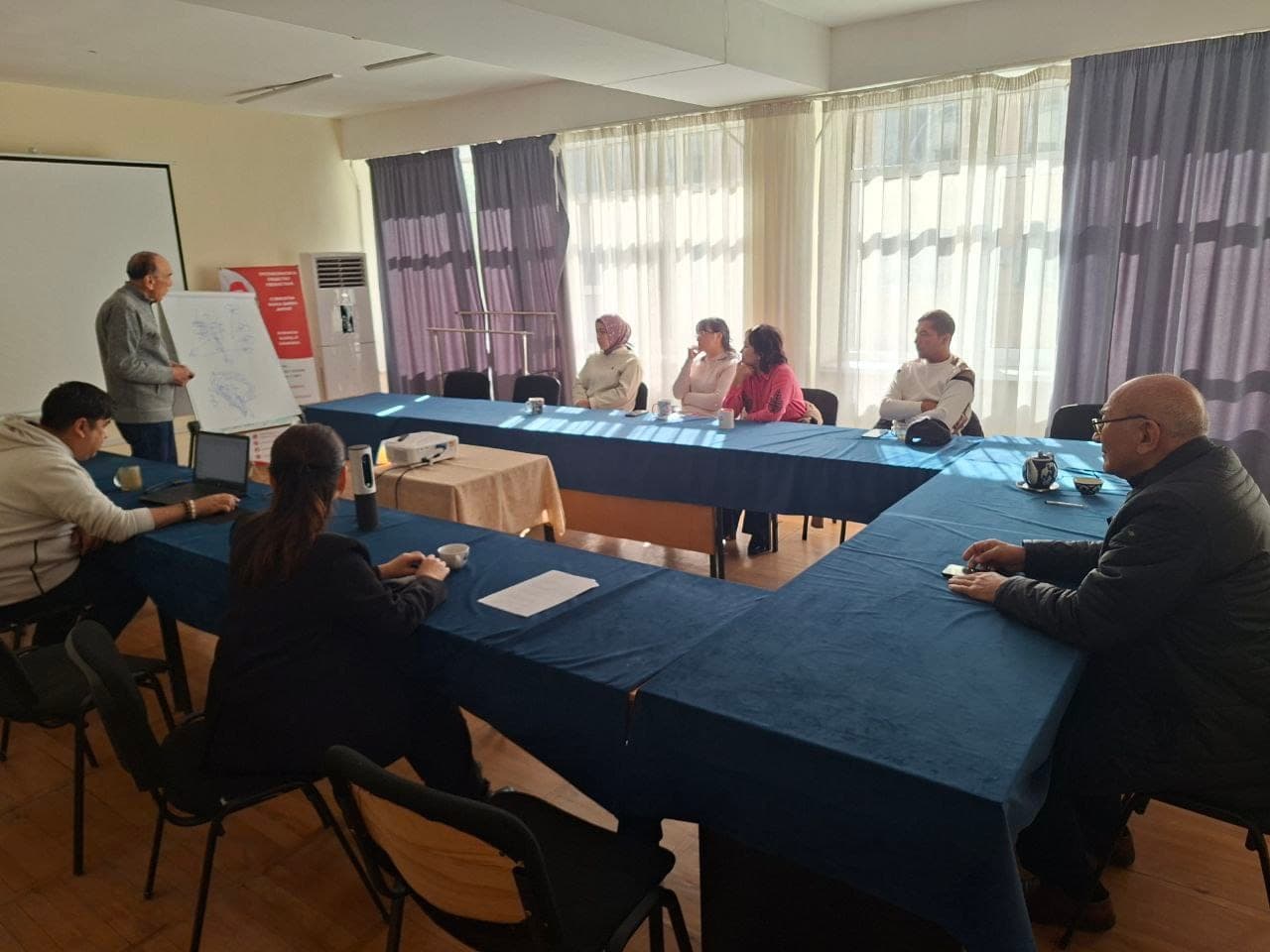
Regular induction and training seminars for new staff were held at the head office.
Staff were introduced to the organisation’s:
- mission;
- main areas of activity;
- projects;
- internal work processes;
- staff duties and responsibilities.
These topics formed part of staff induction.
The organisation’s psychologists also facilitated staff group sessions on preventing emotional burnout and strengthening psychological resilience.
Staff provided suggestions and recommendations for improving the organisation’s work.
2025 results
In 2025, IMKONIYAT focused on results at three main levels:
Services:
The availability and accessibility of medical, psychological, social and palliative care for people living with HIV were supported.
Mutual-help groups, peer consultants and community-based mechanisms strengthened the active participation of people living with HIV.
System:
Cooperation developed between government institutions, AIDS centres, NGOs, international organisations and professional partners.
The projects and initiatives of 2025 supported the organisation’s long-term aim: expanding healthcare access, reducing stigma and discrimination, and supporting vulnerable groups’ full participation in society.
Priorities for 2026
Building on the experience and partnerships of 2025, in 2026 the organisation will continue:
- implementing SOMEC;
- expanding HIV testing coverage;
- supporting early ART initiation and treatment adherence;
- developing community-based palliative and psychosocial care;
- supporting service continuity for migrants;
- empowering women and young people;
- strengthening communications to reduce stigma and discrimination;
- expanding cooperation between healthcare and NGOs;
- improving monitoring, evaluation and data quality management;
- developing new international partnerships and donor opportunities.
Work in these areas will continue.
Conclusion
In 2025, alongside maintaining existing services, IMKONIYAT developed new projects, partnerships and community-based approaches.
The organisation contributed to expanding treatment and support access for people living with HIV, building women’s and young people’s capacity, reducing stigma and discrimination, and strengthening cooperation with civil society institutions.
The organisation views long-term partnerships with international donors and partners as an investment in sustainable results, community independence and systemic change.