
Overview of activity in 2024
In 2024, IMKONIYAT worked to support public health and people living with HIV, develop palliative and psychological care, strengthen treatment adherence and expand community-based services.
During the reporting year, multidisciplinary teams continued their work under the Global Fund project. Medical, psychological and social assistance was organised for people living with HIV; work continued with migrants and their families; HIV prevention events engaged young people; and the organisation contributed to civil society capacity building.
The main areas of activity in 2024 were:
- palliative, psychological and social assistance for people living with HIV;
- starting antiretroviral therapy (ART) and supporting adherence to treatment;
- organising mutual-help and support groups;
- improving migrants’ and their families’ access to HIV prevention and treatment;
- strengthening HIV awareness and prevention among young people;
- educational approaches to reducing stigma and discrimination;
- building staff and civil society organisations’ capacity.
Main projects implemented in 2024
2.1. Global Fund project
Project title: “Strengthening efforts to achieve the 90‑90‑90 and STOP-TB targets in the Republic of Uzbekistan, with particular attention to vulnerable populations”.
The UZB-C-RAC grant agreement between the Republican AIDS Centre and the organisation covered 1 July 2021–31 December 2024. Its main aim was to expand palliative care for people living with HIV and build ART adherence through community mobilisation.
In 2024, 16 mobile/stationary multidisciplinary teams operated at regional AIDS centres in Uzbekistan. Teams included infectious-disease physicians, psychologists, drivers and peer consultants.
- In 2024, multidisciplinary team services reached 11 105 people living with HIV.
Against a planned reach of 10 000 people, actual reach was 11 105.
From January to December 2024, 11 105 primary clients living with HIV used multidisciplinary team services: 6 076 men, 5 029 women, 2 119 young people under 24 and 59 children.
- First-time ART starts: 2 128 people.
- ART restarts: 615 people.
- Legal assistance recipients: 510 people.
- Repeat visits: 10 656.
- 360 mutual-help group sessions were held.
- 2 931 people participated in mutual-help groups.
From the beginning of the year, team staff worked with clients who had lost contact with services: people absent from centres for years because of health, financial difficulties, difficulty accepting their status, migration or other reasons, as well as records of clients who had died or moved without supporting certificates being submitted. In 2024, 2 056 people were reached. Some were not entered in the MIS database because necessary documents were missing or they had not yet received integrated services.
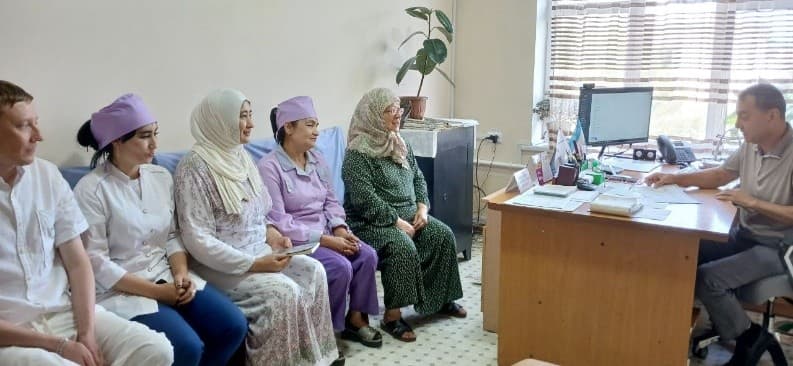
2.1.1. Additional social services
- assistance with applying for pensions and benefits;
- accompaniment to healthcare institutions;
- help delivering ART to internal and international migrants;
- organising mutual-help and support groups;
- regular telephone monitoring of clients’ mental and physical wellbeing.
2.1.2. Mutual-help and support groups
Multidisciplinary teams regularly organised mutual-help and support groups for adults, adolescents, children and women.
- opportunities to view problems from different perspectives;
- developing social skills;
- strengthening solidarity and communication with people in similar situations;
- practical and emotional support from peer consultants;
- sharing experience and acquiring new knowledge and skills.
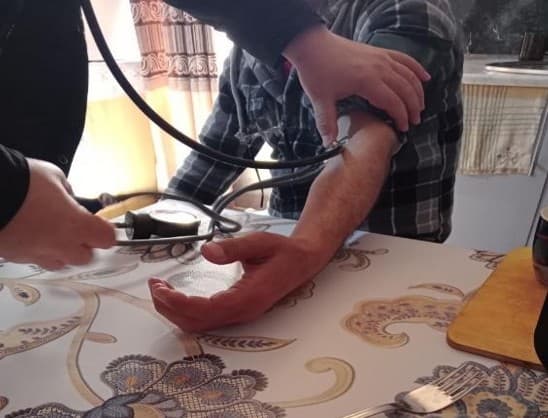
Project for migrants and their families
Project title: “Improving access to HIV prevention and treatment services for migrants and their families in Uzbekistan”.
The agreement with the International Organization for Migration (IOM) ran from 17 July 2023 to 1 November 2024. The project planned an HIV knowledge, attitudes and practices (KAP) study, raised awareness among prospective and returning migrants and their families, and improved access to prevention and treatment. 3 interviewers were engaged.
- 100 migrants participated in the HIV awareness project.
In 2024, seminars for migrants and their families were held at Fergana training centres, Monomarkaz and the “Koika” centre. A seminar for healthcare workers—infectious-disease physicians from family polyclinics—was also organised at the regional HIV/AIDS centre.
All 100 migrant participants in the campaign were tested for HIV. Consultants supported each participant from the beginning to the end of the project.
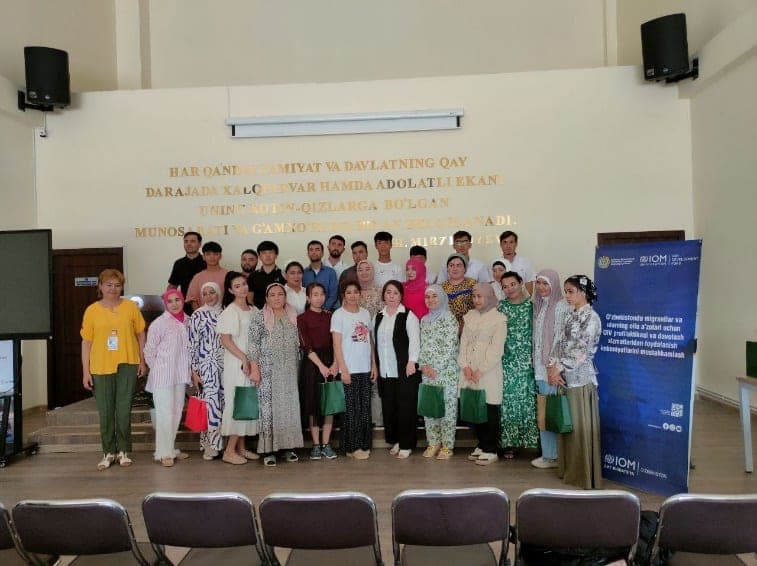
An HIV-prevention seminar for migrants and their families, IOM project, Fergana, 2024 © IMKONIYAT 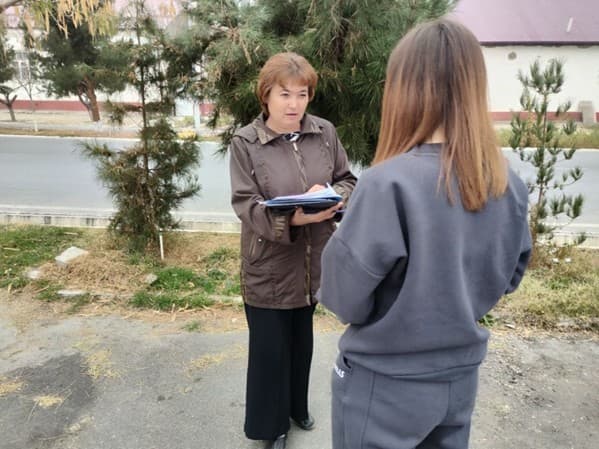
Two participants in an outdoor information conversation · 2024 report. © IMKONIYAT
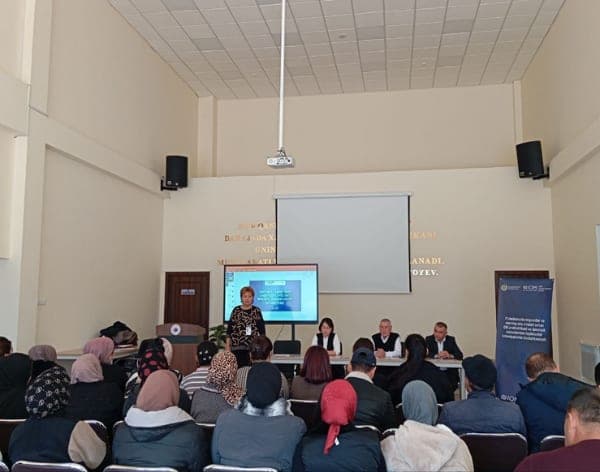
A seminar under the project with the International Organization for Migration, 2024 © IMKONIYAT 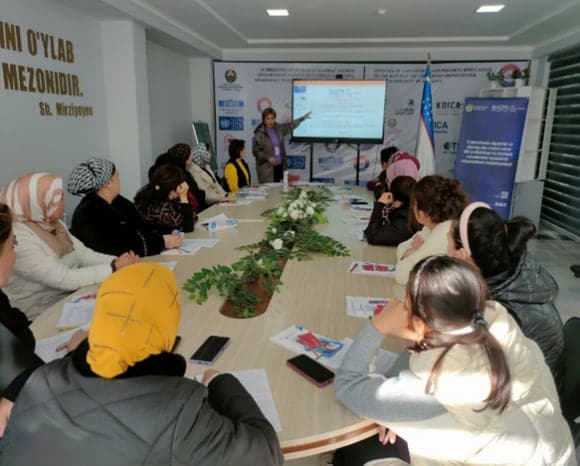
IOM project seminar, 2024 © IMKONIYAT
HIV prevention and education events
4.1. Quiz activities
In 2024, interactive events raised young people’s awareness of HIV, prevention and methods of protection.
On 28 November 2024, a quiz on HIV/AIDS was held at INNO TEXNOPARK with the “Oltin Qanot” volunteer movement for students of Tashkent universities—a new format in Uzbekistan.
- assessing knowledge of HIV/AIDS and transmission routes;
- information on HIV prevention and protection;
- discussing common myths and misconceptions;
- raising awareness of modern prevention and treatment methods;
- engaging young people in health issues through an interactive, engaging format.
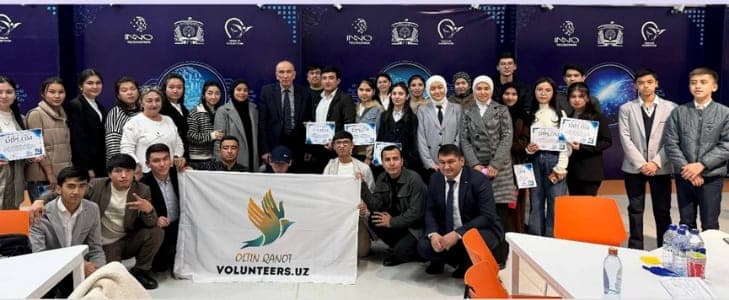
An HIV/AIDS quiz for Tashkent university students with Oltin Qanot, INNO Technopark, 28 November 2024 © IMKONIYAT 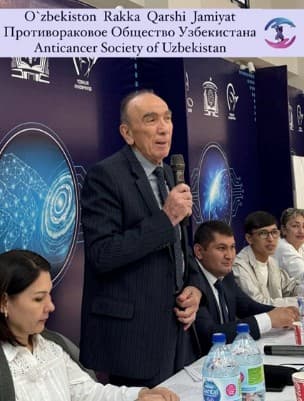
A speaker at a youth education event · 2024 report. © IMKONIYAT
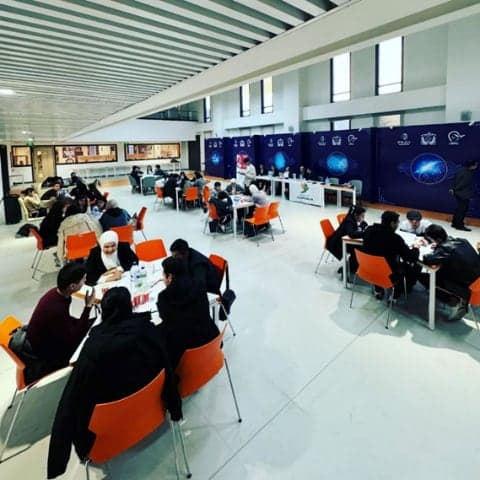
Quiz at INNO Technopark, 28 November 2024 © IMKONIYAT 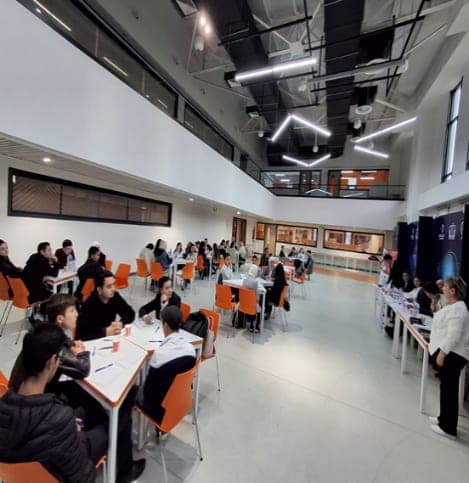
Student teams at the quiz, 28 November 2024 © IMKONIYAT
4.2. A memorial event was held to mark International AIDS Candlelight Memorial Day.
The memorial event honoured people who had died as a result of HIV/AIDS, remembering their lives and role in society. Information activities addressed HIV prevention, treatment options, preventing stigma and discrimination, and supporting people living with HIV. Staff, partners and volunteers participated.
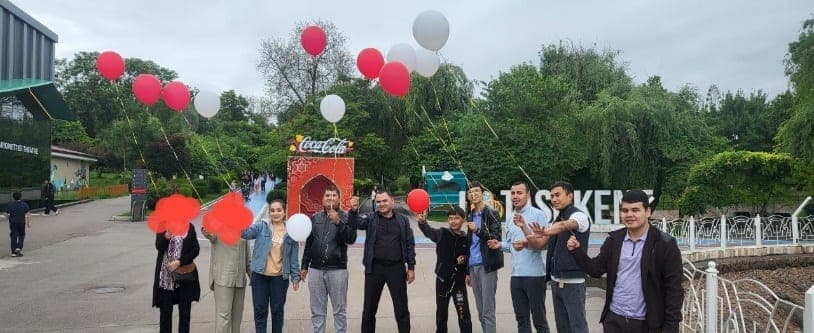
A remembrance event for the International AIDS Candlelight Memorial, 2024 © IMKONIYAT 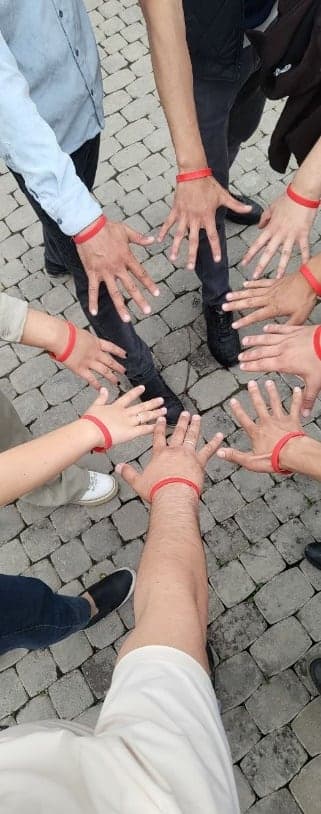
Remembrance event, 2024 © IMKONIYAT
Civil society and organisational capacity building
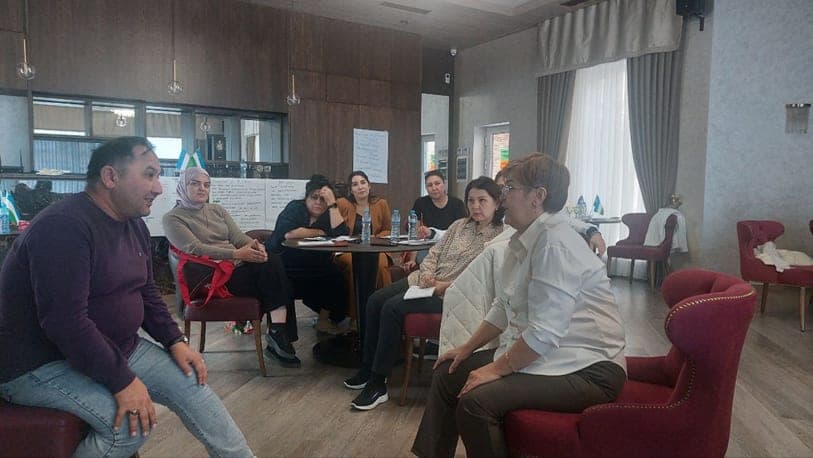
Throughout 2024, staff attended practical consultation meetings and training to build the capacity of civil society organisations and NGOs.
Events covered document management, developing project documentation, activity planning and improving NGO effectiveness. The report states that almost all staff participated in these training sessions.
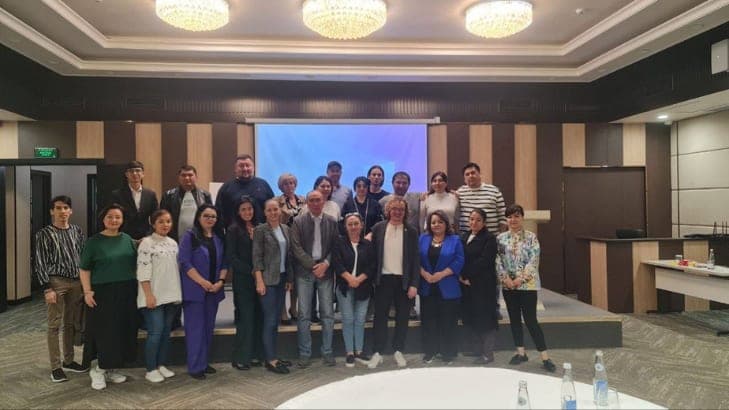
Training on strengthening civil-society organisations, 2024 © IMKONIYAT 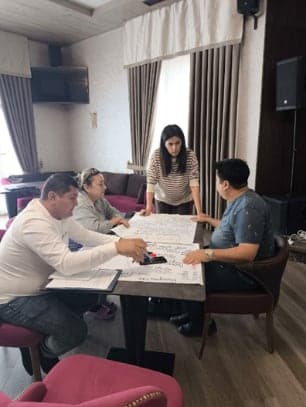
NGO capacity development, 2024 © IMKONIYAT
Institutional capacity and human resources
In 2024, the organisation employed 104 staff.
Staff included a national manager, national coordinator, finance officer, monitoring and evaluation specialist, lawyer, psychologists, physicians, outreach/social workers and drivers.
A women’s initiative group also operates within the organisation to support women and girls living with HIV. It develops and promotes initiatives supporting women facing gender stigma, discrimination and violence.
Strategic cooperation
In 2024, activities were implemented with international and national partners. Key cooperation involved the Global Fund programme, the International Organization for Migration (IOM), HIV/AIDS centres, civil society organisations, educational institutions and the “Oltin Qanot” volunteer movement.
Partnerships brought medical and social services closer to communities, supported work with migrants and young people, raised HIV prevention awareness and strengthened institutional capacity.
The significance of activity in 2024
To strengthen institutional capacity, effectiveness and sustainability, IMKONIYAT’s capacity development and sustainability strategy for 2025–2028 was developed and formally approved.
Based on an institutional assessment, the strategy defines key development priorities and supports the organisation’s mission, organisational capacity, sustainability and effectiveness.
The strategy addresses healthcare, social inclusion, reducing stigma and discrimination towards people living with HIV, developing civic participation and ensuring institutional sustainability.
In 2024, IMKONIYAT focused on integrated support for the medical, psychological and social needs of people living with HIV through community-based services. The multidisciplinary team model supported ART adherence, re-engagement with services, resolution of legal and social matters, and expanded peer support.
Work with migrants, young people, women and other communities contributed to reliable HIV information, encouraged access to prevention and treatment services, and developed a supportive social environment.
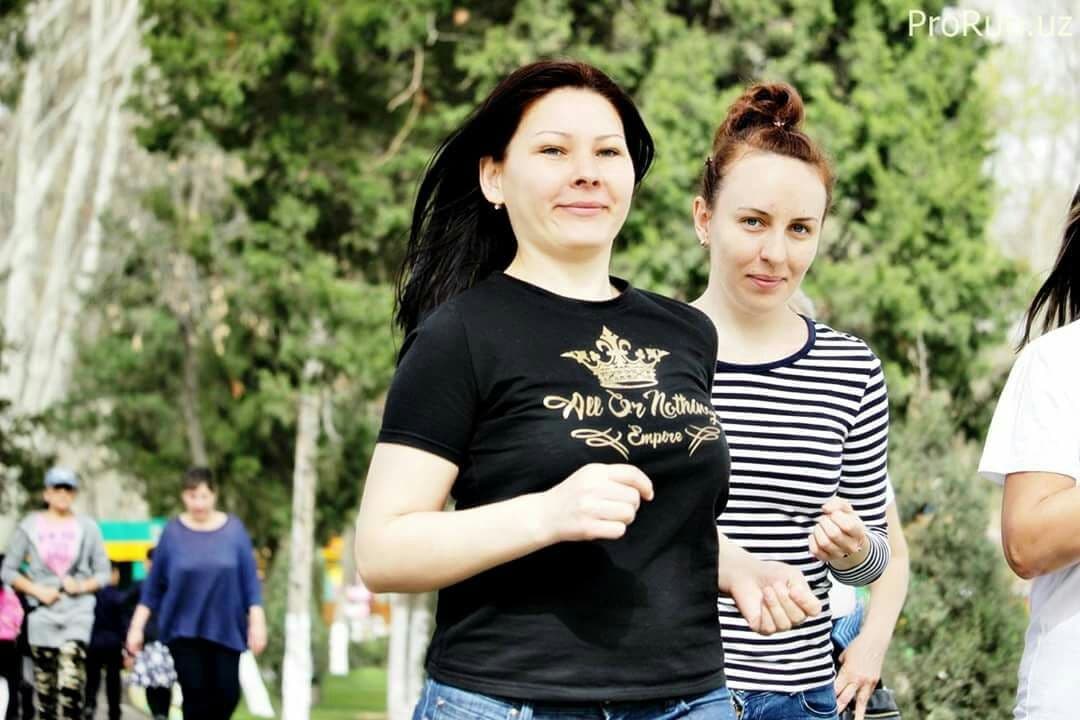
Participants at a public sports event · 2024 report. © IMKONIYAT 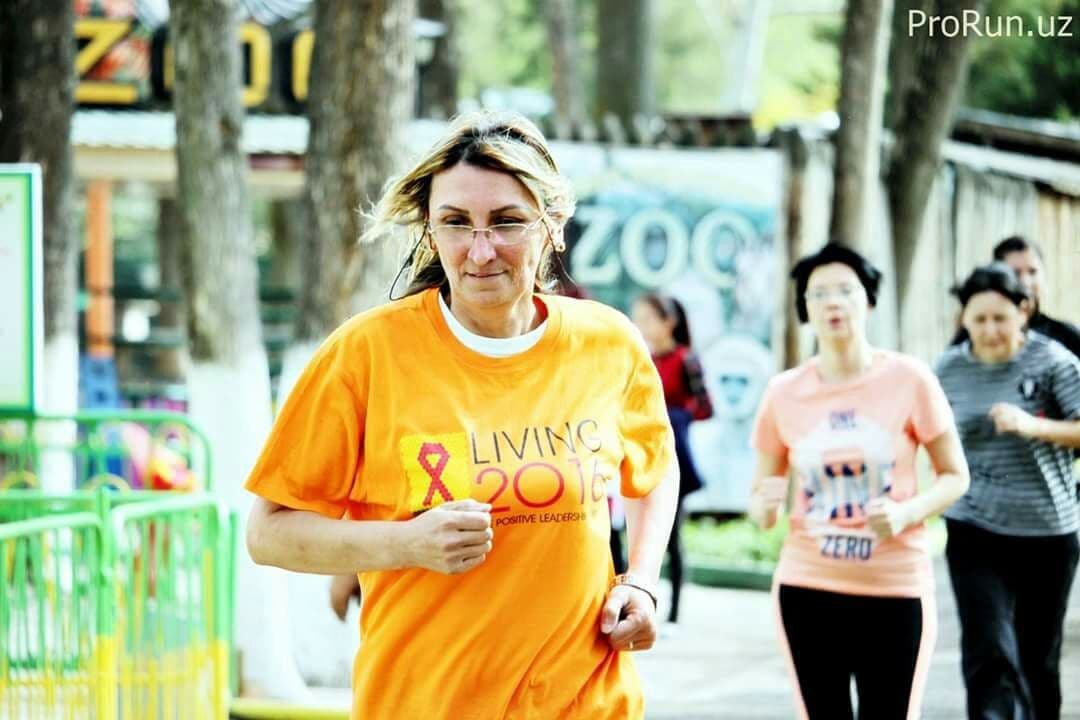
Runners at a public sports event · 2024 report. © IMKONIYAT
Conclusion
For IMKONIYAT, 2024 was a year of maintaining community-based services, integrated support for people living with HIV, work with migrants and young people, and civil society capacity building.
The reporting year’s results demonstrate the organisation’s practical contribution to expanding healthcare access, strengthening treatment adherence, improving psychological and social assistance, and supporting active community participation.